Spain’s minimum wage rises by just €37 a month as Europe’s biggest increases soar
For those earning Spain’s minimum wage, an extra €37 a month isn’t likely to make a significant difference in their […]
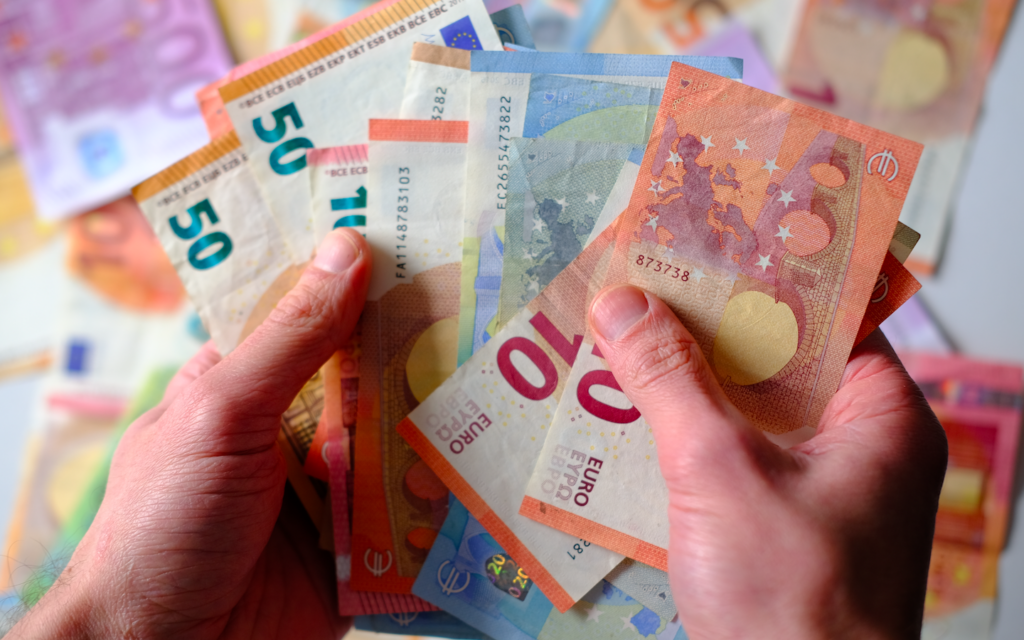
For Spain's minimum wage recipients, a €37 monthly increase might not drastically alter their household budgets, particularly when essential expenses such as rent, food, and bills continue to consume a significant portion of their earnings. In January 2026, Spain raised its minimum wage by 3.1%, elevating the gross monthly rate to €1,221, distributed across 14 installments.
This places Spain among EU nations with one of the smallest wage increases this year, despite substantial long-term increases. Interestingly, some countries with lower minimum wages have enacted much larger percentage hikes. Eurofound data reveals that most European countries experienced wage increases from January 2025 to January 2026, with varying degrees of magnitude.
Spain's modest 3.1% rise falls below several other nations, including Slovenia, Bulgaria, Slovakia, Lithuania, and Hungary, which witnessed hikes exceeding 10%. Conversely, Luxembourg increased its minimum wage by 2.5%, while Poland's rose by 3%. France also experienced a slight increase. Therefore, Spain is among the lower performers in terms of this year's wage hike among EU countries.
Despite the percentage increase, the reality for minimum wage earners in Spain is more nuanced. Since 2018, Spain's minimum wage has risen from €735 to €1,221 per month, a substantial 66% increase over eight years, placing Spain among the higher minimum wage countries in the EU. This significant increase puts Spain ahead of many Eastern European nations with lower minimum wages.
Eurofound highlights a general trend across Europe: countries with lower minimum wages generally implement bigger percentage raises, while those with higher wages tend to adjust more conservatively. For individuals comparing salaries independently of percentage changes, this distinction is crucial. A 10% raise on a lower base salary does not necessarily lead to higher earnings compared to someone in Spain earning the minimum wage.
The Spanish minimum wage rise for 2026 adds €518 to the annual gross minimum wage, totaling €17,094. The government estimates that approximately 2.5 million workers will benefit from this change. The new wage rate applies from January 1, 2026, and retroactively covers the months already worked in 2026. Importantly, the annual minimum wage remains below the threshold where personal income tax (IRPF) applies, ensuring that those on the minimum wage do not lose part of their increase to taxes.
However, despite the modest monthly increase, families already living on tight budgets still perceive the change as minor. Comparing Spain's wage hike across Europe necessitates considering inflation. Eurofound's assessment for 2026 indicates that minimum-wage purchasing power has risen in nearly every EU nation, as inflation generally remained lower than wage increases.
Thus, even though other countries provided larger percentage increases, Spanish workers have not necessarily experienced a loss in purchasing power. Ultimately, what matters most for someone earning Spain's minimum wage is the actual affordability of their income. Housing costs, groceries, utilities, transportation, and other essential expenses can consume a large portion of a low salary, determining the amount left for other necessities.
Therefore, a 3.1% increase may appear relatively insignificant on paper compared to the practical budgeting implications of an additional €37 per month. Furthermore, the data illustrates the diverse approaches EU countries are taking to address minimum wage issues. Nations with historically lower minimum wages are increasing annual wages to bridge the gap with higher-paying countries.
Spain, which has significantly raised its minimum wage since 2018, already enjoys one of the higher statutory minimum wages in the EU, despite having the smallest percentage increase in 2026. For minimum wage earners, the primary concern should not be Spain's position on the percentage scale but the tangible impact of the €1,221 monthly wage on their ability to cover essential expenses.
Written by urgent.news from Euro Weekly News's reporting — not their text. Machine-written — may contain errors; check the original before relying on it.