'Soiled' undies and vicious friends research honoured at Ig Nobels
Each year, the Ig Nobel prizes celebrate research that makes you laugh, then makes you think. This year's winners include an "underwear index", a cumbersome kissing definition and why we want friends that will happily stab someone in the eye.

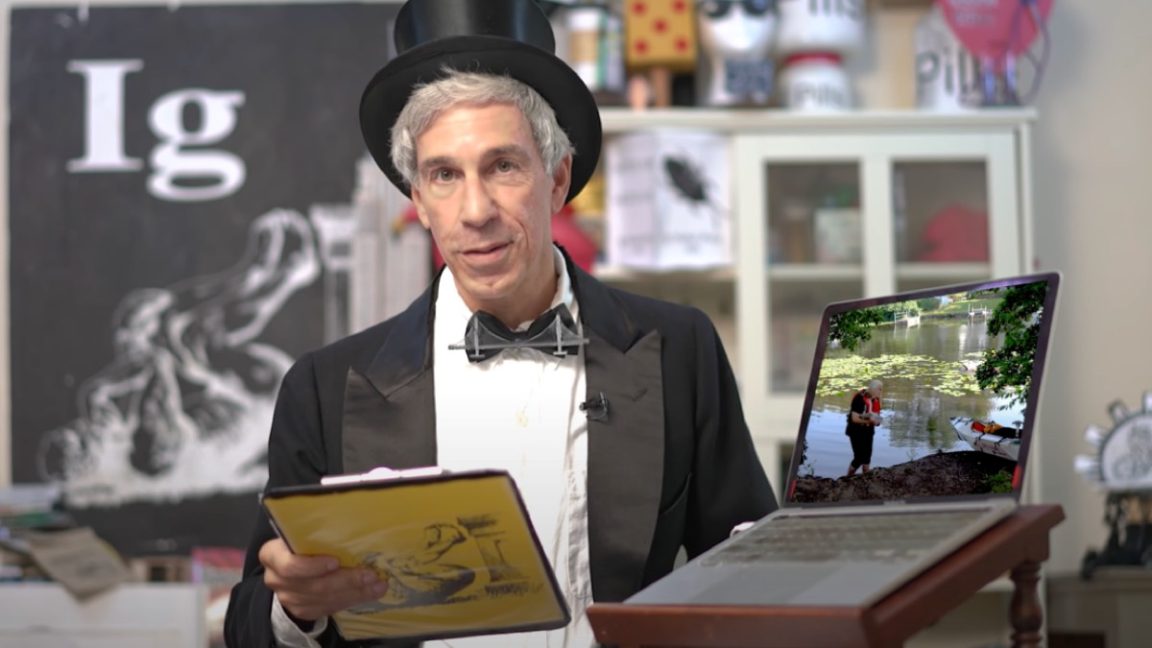
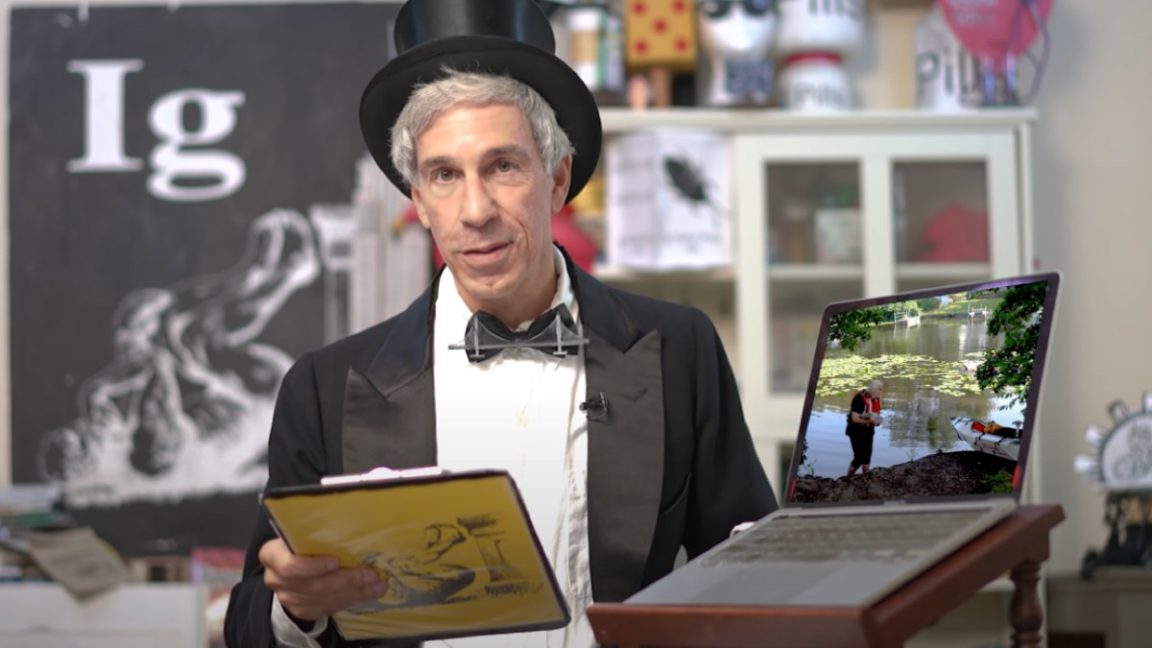
The Ig Nobel Prizes, awarded each year for research that first makes people laugh and then makes them think, were celebrated today in Zurich. This year, ten prizes were presented, continuing the tradition of the awards being given outside the United States for the first time in 36 years. Among the winners was Dr. Keelan Williams, an evolutionary psychologist from Hamilton College, who won the Ig Nobel Peace Prize.
Her research reveals that while we desire our friends to be kind and helpful, we also seek friends who are willing to do vicious things to those we dislike. The winning paper suggests that we want our friends to be kind and helpful to us, but not necessarily towards others.
A separate team of researchers from the US and UK won the Ig Nobel Biomechanics Prize for their extensive study on kissing. They defined kissing as "non-agonistic interactions involving directed, intraspecific, oral-oral contact with some movement of the lips/mouthparts and no food transfer," a definition they believe is broad enough to include various instances of kissing across different animal species.
The Ig Nobel Soil Science Prize was awarded to European researchers who engaged over 1,000 citizen scientists in burying cotton underwear across more than 25 countries. The aim was to raise awareness about soil health. Their findings indicated that buried cotton undies decomposed faster in soil with higher fertility and more nutrients. They have since proposed an "underwear index," using decomposition percentage to measure soil health in a more accessible manner.
Lastly, the Ig Nobel Economics Prize went to North American researchers who conducted a study comparing the ethical behavior of upper-class individuals versus lower-class people. The results suggested that upper-class individuals were more likely to break the law, lie in negotiations, cheat to win prizes, and take sweets meant for children.
The researchers proposed several hypotheses for this behavior, including the increased privacy of upper-class jobs, additional financial resources to deal with potential consequences, and a sense of entitlement. They suggested that these factors might contribute to a shared set of culturally accepted norms among the upper class, promoting unethical behavior.
Written by urgent.news from ABC News AU's reporting — not their text. Machine-written — may contain errors; check the original before relying on it.