Should We Be Afraid of Our Food?
America's food-safety system is being methodically dismantled by the Trump administration.
A recent cyclosporiasis outbreak has led to concern over the safety of our food supply. Over 17,000 people have been infected across 48 states, although most cases are mild. However, other foodborne illnesses such as Salmonella and botulism pose greater dangers. The cyclospora parasite, typically found in contaminated lettuce, is unpleasant but rarely life-threatening. Serious underlying conditions, rather than the infection itself, caused the deaths during this outbreak.
In past years, botulism outbreaks linked to powdered infant formula have also received little attention. In one case, at least 48 infants across 17 states were hospitalized with severe complications, with one experiencing multiple strokes. Another outbreak involved four infants in three states who were hospitalized with botulism traced to infant formula made by two different companies.
Modern powdered formula is complex, with ingredients sourced from multiple suppliers. A single can of formula may contain milk from thousands of different cows. In December 2025 through February 2026, over 100 infants in at least 10 countries were sickened by botulism-tainted powdered formula. The formula was manufactured by companies like Nestlé and Danone and contaminated with spores from Bacillus cereus, an additive supplied by a Chinese biotech firm.
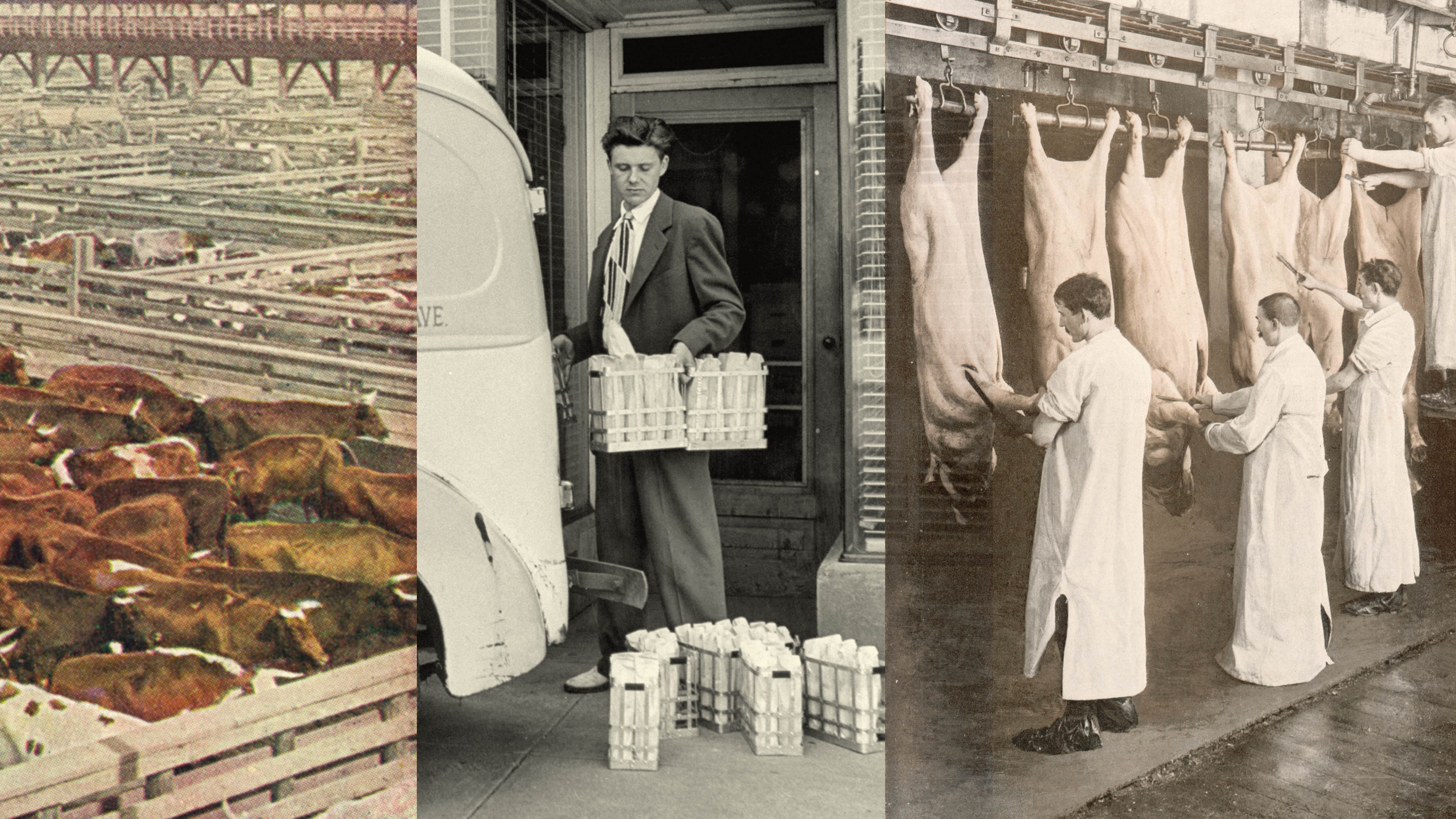
Historically, food poisoning outbreaks were small-scale and often local. However, the scale of industrial food production has increased, leading to larger outbreaks. For instance, during the 2001 publication of "Fast Food Nation," high levels of fecal contamination in ground beef were a nationwide problem due to unsafe practices in large processing plants supplying fast-food chains.
The dairy industry faces similar challenges. Raw milk from 55 California dairies was processed into milk powder at a massive facility in Nevada and shipped to other states for further processing. The botulism-tainted formula in this outbreak involved a supply chain that included multiple locations and countries.
Federal food-safety regulations are fragmented, with different agencies overseeing various aspects of food safety. The FDA, responsible for about 80% of the food consumed in the U.S., has faced underfunding and policy changes under the Trump administration. Key personnel, including the head of the FDA's human-foods division, have resigned due to budget cuts and political interference.
The USDA and CDC have also experienced significant workforce reductions. The CDC's FoodNet surveillance program has been cut by 75%, reducing the number of pathogens tracked. With fewer resources and expertise available, the food-safety system is struggling to keep up with the scale and complexity of modern food production.
Written by urgent.news from The Atlantic's reporting — not their text. Machine-written — may contain errors; check the original before relying on it.