Salor zapin steps back into the spotlight
Once at risk of disappearing, this little-known Kelantan dance is being pieced together, documented and taught to a new generation.
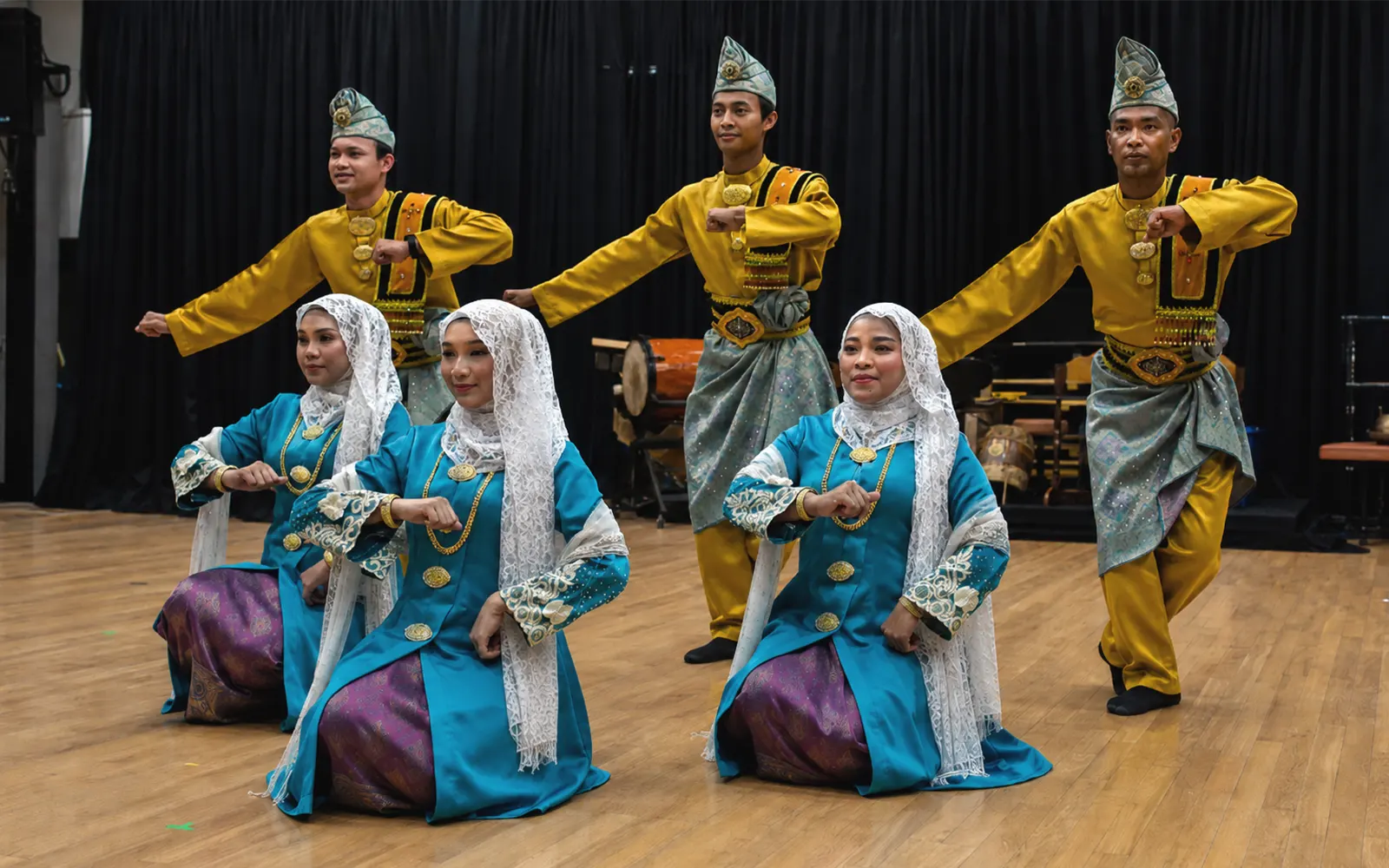
Salor zapin, a traditional dance from Kelantan, is regaining prominence after a period of dormancy. Originating from Kampung Salor in Kota Bharu, this dance is characterized by graceful movements and songs sung in the Kelantanese dialect. Unlike the more widely known zapin from Johor, Salor zapin's unique sound and style remained largely unknown even within Kelantan until recent efforts to revive and document it.
Historically, Salor zapin was influenced by Arab culture introduced by Islamic preachers and later flourished among community practitioners. The dance's name derives from salor, referring to irrigation channels that once watered the paddy fields of the area. Despite its rich heritage, the dance nearly disappeared in the late 1990s as older practitioners aged and fewer successors emerged.
The revival process involved piecing together fragments of knowledge from different individuals, reconstructing the dance's structure, and identifying four basic dance forms that formed the basis of the modern choreography.
Mohd Radzi Yusof, a cultural artiste with the Kelantan branch of the department for culture and arts, oversaw the revival. He explained that the project required collaboration among various practitioners to gather and piece together the remaining fragments of the dance. The research took nearly four years, ultimately leading to the identification of twelve movements that constitute the backbone of the revived choreography.
The dance's movements are characterized by restraint, with dancers focusing on lower, softer, and more controlled gestures. While traditionally performed by men, Salor zapin emphasizes modesty, courtesy, and balance, with songs that convey religious teachings, advice, and community values in the Kelantanese dialect. One of the most moving aspects of the revival was the participation of two third-generation practitioners, Abdul Manaf Awang and Noor Azmi Jaafar, who shared their remaining knowledge before passing away.
Younger dancers, like Mohammad Hafiz Amirun Salleh, have found the revival particularly meaningful. Before joining the Kelantan branch of the department for culture and arts, Hafiz had only associated zapin with Johor. The discovery of Salor zapin opened up a new cultural avenue for him. While mastering the dance requires understanding the footwork, movement order, rhythm, and lyrical content, Hafiz noted that a true appreciation of the form also involves grasping the deeper meanings behind each movement and song.
The biggest challenge now is ensuring that the dance reaches a wider audience. JKKN has been actively promoting Salor zapin through workshops, school programs, and cultural events, while also documenting the dance systematically for future learners. Radzi emphasized the importance of safeguarding cultural heritage, stating, "If we do not safeguard our own culture, who else will?"
Written by urgent.news from Free Malaysia Today's reporting — not their text. Machine-written — may contain errors; check the original before relying on it.
This story
This is one outlet's version. Read the fullest account.
- Salor zapin steps back into the spotlight freemalaysiatoday.com