Russian specialists aiding Iran's development of supersonic cruise missiles, FT reports
The technology allows cruise missiles to maintain flight at several times the speed of sound and is likely intended for anti-ship and land-attack weapons.
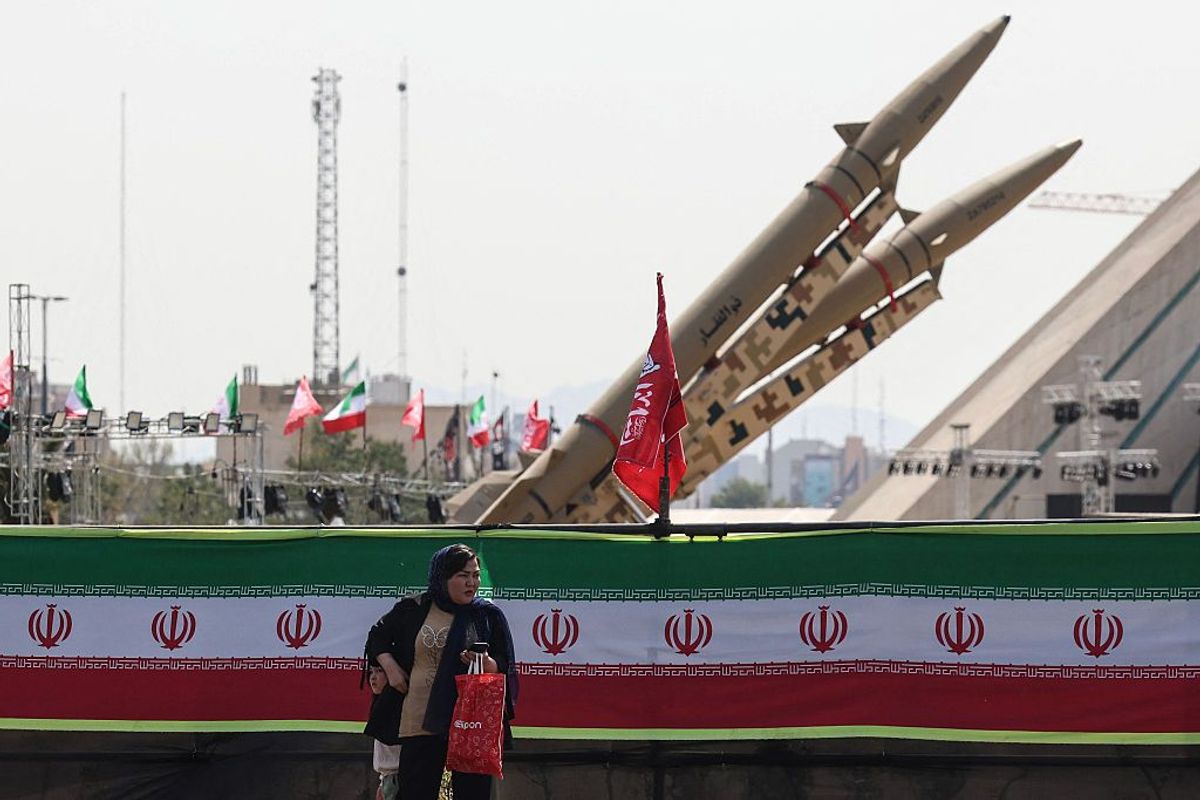
Russian missile specialists have been collaborating with Iran on a clandestine project to enhance Tehran's capacity to produce supersonic cruise missiles, according to the Financial Times (FT). The operation, known as C430L, commenced in 2023 and entails Russian experts collaborating with Iran on ramjet propulsion technology. This innovation enables cruise missiles to maintain flight at multiple times the speed of sound, making them potentially lethal against naval and land targets.
Although Iran has developed and tested a ramjet system, there is no proof that a supersonic cruise missile created with Russian aid has been deployed. The heightened speed and low-flying capability of these missiles could pose a fresh danger to U.S. naval vessels in the Middle East, as their swift nature and ability to fly at low altitudes make them challenging for air and missile defense systems to detect and neutralize.
Rosoboronexport, Russia's state arms exporter, and NPO Mashinostroyenia, a sanctioned Russian missile manufacturer, have coordinated the program with Iran's Ministry of Defence and Armed Forces Logistics. Travel records reveal that Russian arms export officials and senior NPO Mashinostroyenia engineers frequently journeyed to Iran before the signing of a contract in November 2023.
By 2025, NPO Mashinostroyenia had received Iranian technical data related to the ramjet system. Russian engineers meticulously studied data from an Iranian flight test and sought additional information from Tehran concerning the system's fuel supply, combustion stability, air intake, engine nozzle, and other performance aspects.
The exchanges demonstrate Russian engineers using their expertise to address technical issues and enhance the design, even after the U.S.-Israeli war against Iran began in 2026. Russia, Rosoboronexport, NPO Mashinostroyenia, and the Iranian government have not commented on the matter. The program unfolds amid intensified military cooperation between Moscow and Tehran, with Iran supplying Russia with Shahed attack drones for use in its conflict with Ukraine and potentially aiding Russia in its war with the United States and Israel.
Written by urgent.news from Kyiv Independent's reporting — not their text. Machine-written — may contain errors; check the original before relying on it.