Russia Is Paying for the War with Its Future Economy
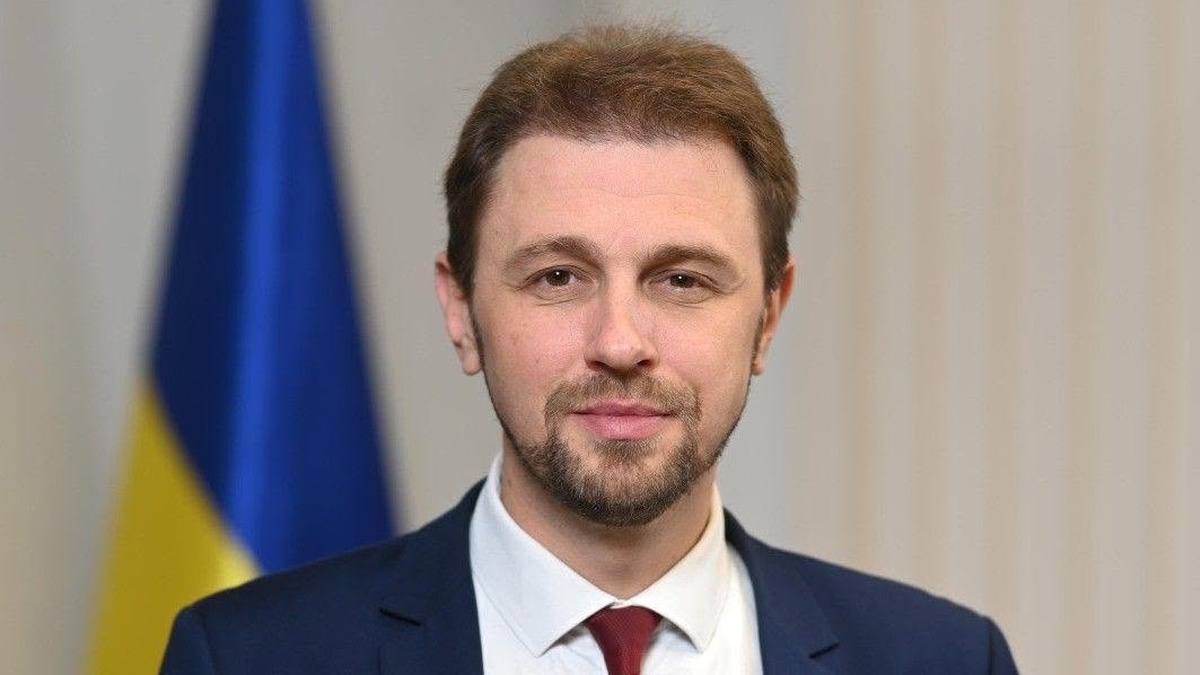
Andriy Dubas, President of the Association of Ukrainian Banks
Russia's economic future hangs in the balance as the cost of its ongoing war becomes increasingly clear. Initially, massive government spending on military contracts helped sustain economic activity, even amidst sanctions and restrictions. However, this model is now yielding weaker results. After a 4.9% GDP growth in 2024, the Russian economy expanded by only 1% in 2025, with further contraction expected in 2026.
Government procurement continues to support demand, particularly in military sectors, while the civilian economy struggles. High borrowing costs and production constraints compound the problem. In July, the Bank of Russia's key rate stood at 14%, making loans expensive for businesses. Meanwhile, the manufacturing PMI fell to 48.8 points, indicating declines in production and new orders.
The Bank of Russia anticipates further economic slowdown due to a "temporary loss of capacity" in manufacturing and logistics. Budgetary pressure is also mounting, with the federal budget deficit for January–July 2026 projected at 6.455 trillion rubles, or 2.8% of GDP. Oil and gas revenues, vital to the federal budget, fell by 16.8% year-over-year to 4.595 trillion rubles, while expenditures rose by 14.5% to 28.567 trillion rubles.
Defense and security spending remains substantial, with approximately 16.84 trillion rubles allocated for 2026. Regional budget revenues in Russia have also fallen, with 65 out of 85 regions seeing lower revenues in 2025 compared to 2021. Despite maintaining export revenues, a large domestic market, and the ability to reallocate resources, the Russian economy is increasingly paying for the war with its future economic prospects.
Written by urgent.news from Interfax-Ukraine's reporting — not their text. Machine-written — may contain errors; check the original before relying on it.