RBI faces about $11 billion bill on foreign deposits plan
India's central bank secured record diaspora funds, exceeding projections significantly. This fundraising effort may incur substantial costs for the Reserve Bank of India. The RBI agreed to shield banks from currency risks on these foreign deposits. These operations could cost up to 1.2 trillion rupees over five years. The central bank aims to manage these fiscal implications through careful…
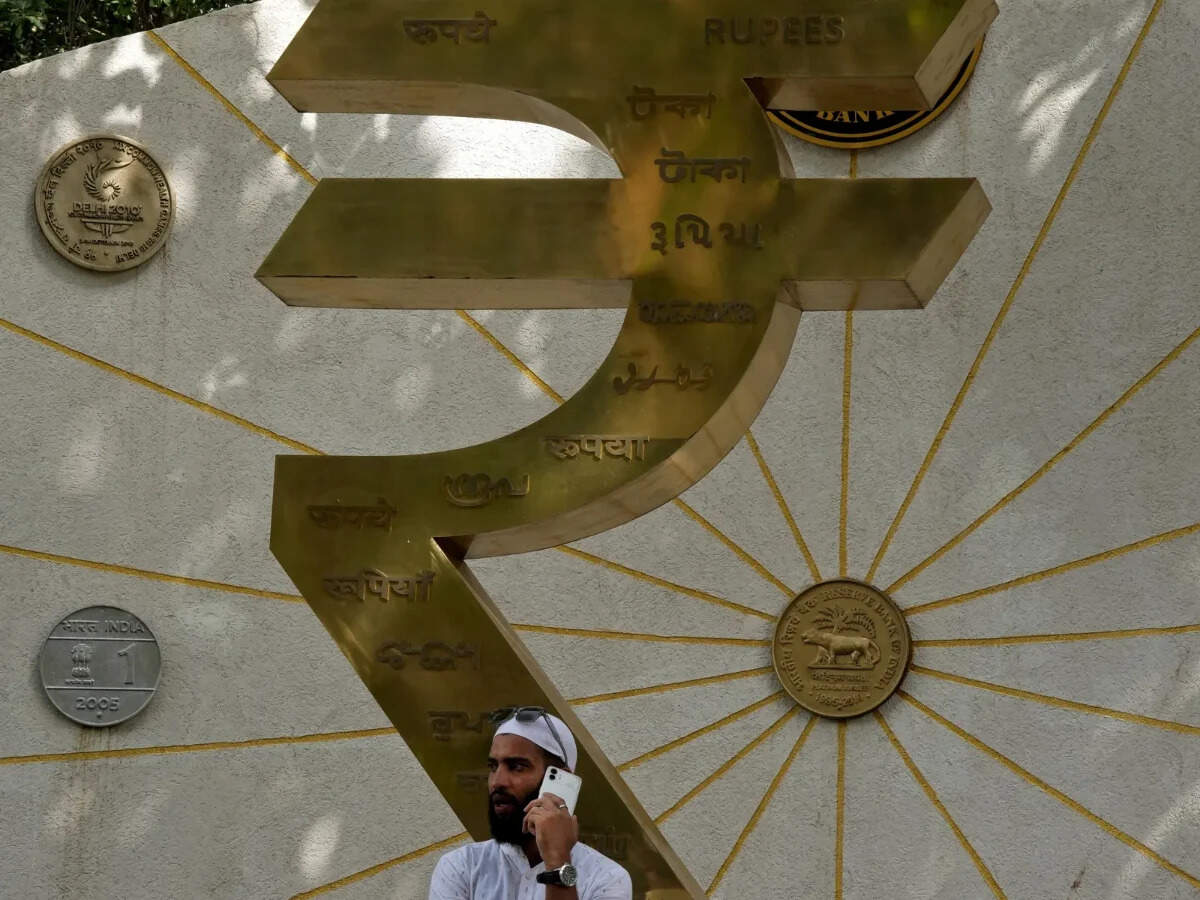
The Reserve Bank of India (RBI) faces a potential $11 billion expense related to its foreign deposits plan, according to economists. The Foreign Currency Non-Resident (Bank) plan raised a record $127 billion through a special deposit program, drawing significant funds from India's diaspora. The RBI also received $9.15 billion from overseas foreign-currency debt and external commercial borrowings, totaling $136.38 billion, surpassing the bank's initial estimate of $80 billion.
To protect banks from currency risk, the RBI agreed to a favorable swap facility estimated at 3%-3.5% annually for three to five years. This arrangement, coupled with the influx of rupees into the banking system, could cost the RBI up to 1.2 trillion rupees ($12.7 billion) over five years, as per an analysis by economist Madhavi Arora of Emkay Global Financial Services. The RBI has not yet commented on the potential cost.
The special window was opened in June to shield the rupee from further depreciation, following its record lows. The RBI took on the currency-hedging costs, while lenders offered loans up to 19 times the original deposit. The RBI believes that the final bill will depend on how the dollar proceeds are invested, and repayment is not expected to be a major problem, given the rise in India's foreign-exchange reserves from $730 billion.
However, a reduction in the RBI's dividend to the government could pose a fiscal concern, potentially hindering the government's budget targets.
Written by urgent.news from The Economic Times - Economy's reporting — not their text. Machine-written — may contain errors; check the original before relying on it.