Psilocin triggers rapid neural growth in laboratory study
Psilocin, the active compound in magic mushrooms, promotes the rapid growth of neural connections in laboratory settings. A new study reveals how these structural changes match the effects of established psychiatric drugs like ketamine and lithium.
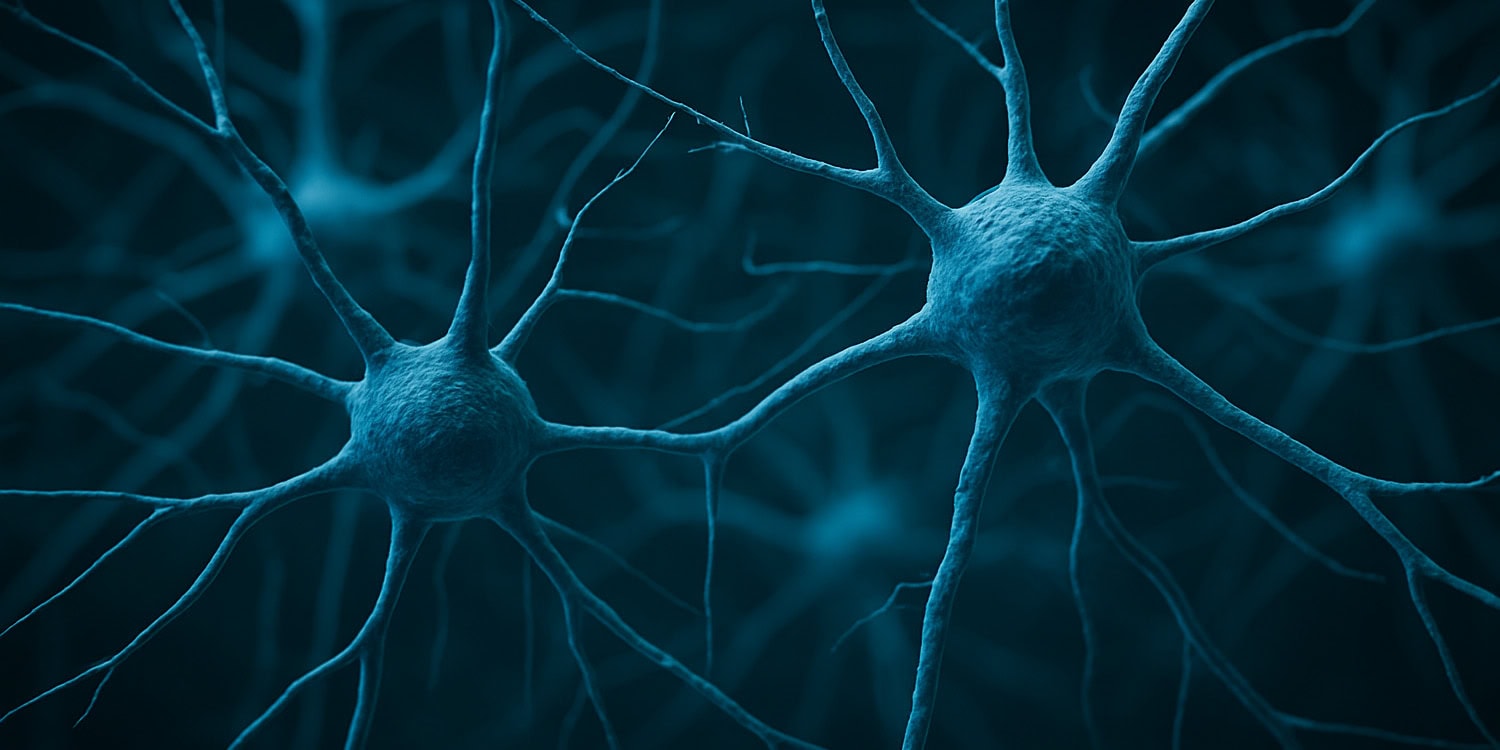
Psilocin, a compound found in magic mushrooms, has been shown to rapidly promote the growth of neural connections in laboratory settings, comparable to established psychiatric drugs like ketamine and lithium. This structural change in brain cells may explain the quick antidepressant effects observed in recent clinical trials of psychedelics.
Neuroplasticity, the brain's ability to modify its structure and rewire its connections in response to new experiences, is crucial for learning and memory as well as the development of neuropsychiatric conditions. Conditions such as severe depression, anxiety, and post-traumatic stress disorder are often associated with a decline in neuroplasticity.
As neurons in specific brain regions shrink and lose the tiny branches and synaptic connections necessary for communication, traditional psychiatric treatments often take weeks to restore these connections, leaving many patients without symptom relief. Drugs like fluoxetine, commonly known as SSRIs, slow down the reabsorption of serotonin in the brain, gradually reopening a window of plasticity, but not immediately.
Lithium, used as a mood stabilizer for bipolar disorder, also supports neuroplasticity and protects neurons from damage, despite its narrow safety margin and potential side effects. To investigate the effects of these compounds more directly, researchers at the National Institute of Mental Health in Czechia extracted brain cells from rat embryos and cultured them in a controlled environment.
By comparing these new and old compounds, they aimed to document how they influence brain cells at a molecular level. After treating the cultured neurons with a single dose of psilocin, LSD, DMT, ketamine, fluoxetine, or lithium, the researchers observed that psilocin, similar to ketamine and lithium, induced a rapid increase in the number of synaptic connections.
This rapid synapse-building capacity matched the growth produced by ketamine and lithium. In contrast, LSD, DMT, and fluoxetine did not produce measurable changes in the number of synaptic connections during the 24-hour testing period. The study also revealed that psilocin rapidly activated the Arc gene, which is crucial for shaping synapse structure and managing chemical signals, providing a potential molecular mechanism for how psilocin initiates neural growth so quickly.
Written by urgent.news from PsyPost's reporting — not their text. Machine-written — may contain errors; check the original before relying on it.