Philips Hue adds HDMI-free Sync and new 4K Box, Nanoleaf integration, and more app upgrades
To kick off IFA 2026, Philips Hue announced a new set of sync boxes for its Play lighting. The company also teased a few new app long-awaited changes to the app, and a Nanoleaf partnership that makes your light-up triangles compatible with Philips Hue’s products. more…
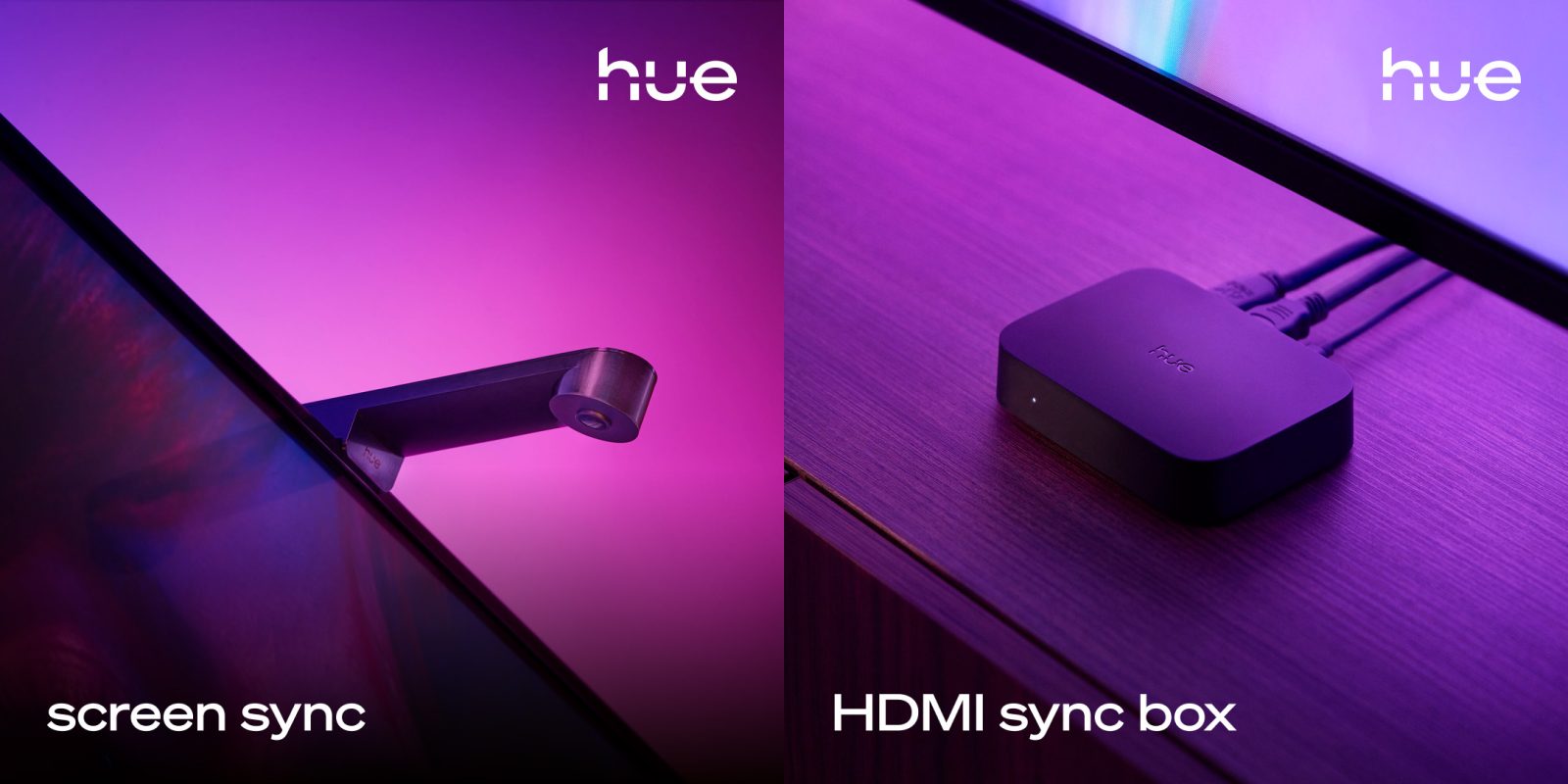
At IFA 2026, Philips Hue unveiled a series of enhancements for its Play lighting system. Their Play Sync Box 8K is a high-end addition to home theaters and living rooms, priced at around $385. This box connects TVs' visuals to compatible Philips Hue lights, providing a cinematic experience. However, for many users, this price point is prohibitive.
To address this, Philips Hue has introduced more budget-friendly options. The Play Screen Sync, equipped with a single fisheye camera, is designed to capture colors displayed by the TV. Priced at $119, it is more affordable and offers input-agnostic functionality, working with native TV apps. The Play HDMI Sync Box 4K, priced at $149, sits in the middle ground, compatible with 4K content.
In terms of app upgrades, Philips Hue is rolling out backup and restore functionality for Android and iOS devices, preventing data loss when switching devices. Additionally, the app will offer AI-generated scenes tailored to specific user needs. These features, including the new Nanoleaf integration, will be available starting in fall 2026.
The Philips Hue Play Screen Sync and Play HDMI Sync Box can be purchased from Philips Hue’s website and major retailers like Amazon.
Written by urgent.news from 9to5Google's reporting — not their text. Machine-written — may contain errors; check the original before relying on it.
This story
This is one outlet's version. Read the fullest account.