OPEC’s new threat comes from within
Saudi Aramco’s widening oil discount suggests that Riyadh — which normally bears the cost of supporting prices — isn’t willing to surrender market share.
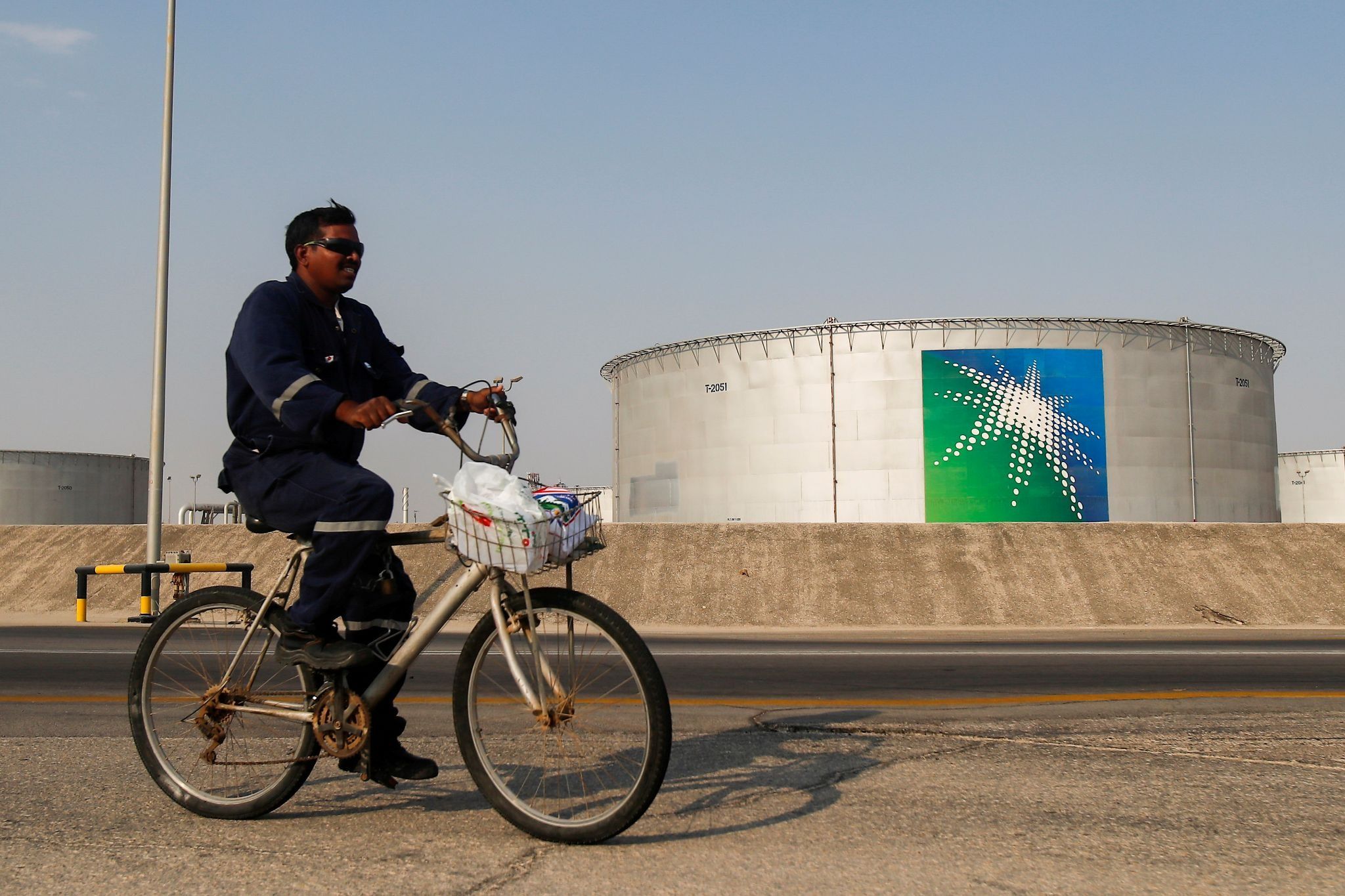
Saudi Arabia's latest move in the oil market reveals internal divisions within OPEC, the world's most influential oil organization. The country has set a record low discount for its flagship Arab Light crude, priced $2 per barrel below the Oman/Dubai benchmark for September. This comes amid the UAE's exit from OPEC, Iraq seeking additional capacity, Venezuela aligning with Washington, and the ongoing disruption at the Hormuz Strait due to the Iran war.
While discounts typically indicate oversupply relative to demand, in this case, the move doesn't necessarily signal a new market-share war. Instead, it suggests Saudi Arabia is unwilling to cede Asian customers while Hormuz's operational issues obscure a more relaxed supply outlook. The next price list, expected during OPEC+'s September 6 meeting, will determine whether Aramco's stance is a one-off accommodation or a signal of Saudi Arabia's commitment to defend market share.
The UAE's departure from OPEC, a longstanding member since 1967, has weakened the organization's authority to manage the market. The UAE can balance its budget at a lower oil price compared to Saudi Arabia, which has more pressing domestic spending obligations. Iraq, seeking to increase its production capacity, has also raised concerns about OPEC's relevance. Iran's eventual recovery will present another challenge, as the organization grapples with accommodating additional supply without sacrificing market share.
Venezuela, while still an OPEC member, is increasingly influenced by U.S. priorities, with a significant portion of its production now heading to American refineries. This dependence on Washington further complicates OPEC's efforts to maintain control over supply. Ultimately, Saudi Arabia remains the only member capable of preserving the system, but its role comes at a higher cost.
OPEC has weathered defections before, but the current situation poses a more significant challenge as members disagree on how capacity translates into quotas. The September meeting will be crucial in determining next month's production levels, while the 2027 capacity review will be the more daunting task of deciding who produces more and who must wait.
Written by urgent.news from Semafor's reporting — not their text. Machine-written — may contain errors; check the original before relying on it.