Nurturing a culture to protect humanity in wartime
Black-and-white laws cannot stop wartime atrocities; true restraint begins only when the principles of humanity are etched into the soldier’s conscience long before the first shot is fired.
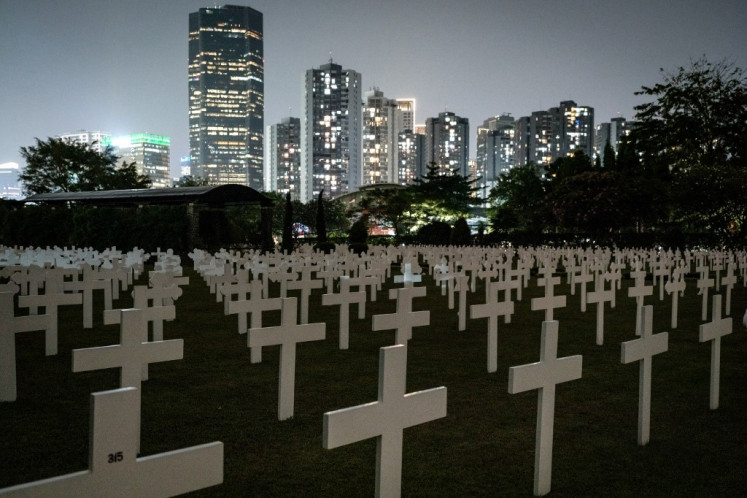
In the crucible of war, where human lives hang in the balance, the question lingers: can societies foster a genuine commitment to protect humanity amidst armed conflict? This essential inquiry underpins International Humanitarian Law (IHL), a centuries-old tradition that continues to evolve through treaties and protocols. At its core, IHL hinges upon four fundamental principles.
The principle of distinction mandates that armed forces differentiate between civilians and combatants, prohibiting direct attacks on the former. Military necessity permits legitimate operations when a clear military advantage is pursued within legal bounds. Proportionality ensures that anticipated harm to civilians does not outweigh the direct military value of a strike.
Lastly, the principle of precaution obligates commanders to exercise constant due diligence before launching an attack, from assessing situational intelligence to seeking operational clearance when necessary. These customs, born in the 19th century, crystallized into formal treaties under the Hague and Geneva Conventions. Today, the 1949 Geneva Conventions and their 1977 Additional Protocols stand as the cornerstone of these legal safeguards.
They establish protections for wounded and sick armed forces on land, shipwrecked personnel at sea, prisoners of war, and civilians in conflict zones and occupied territories. Yet, beyond legal frameworks and manuals, the true test lies in instilling these principles into individual conscience. This requires a shift from rote memorization to participatory learning grounded in real-world jurisprudence, nurturing a culture that respects human dignity from the very start.
Written by urgent.news from The Jakarta Post's reporting — not their text. Machine-written — may contain errors; check the original before relying on it.
Also reported by 1 other outlet
- Nurturing a culture to protect humanity in wartime thejakartapost.com