‘Nepal is not closed’: tour operators battle flood fallout, urge visitors to return
Rajendra Lama’s phone has barely stopped buzzing. In between coordinating rescue operations for flood survivors with the Nepal Mountaineering Association and running his travel company, he spends his days communicating with anxious tour groups, trying to persuade them not to cancel their trips. “We have a crisis in one part of the country, but we’re open elsewhere and are not affected by the…
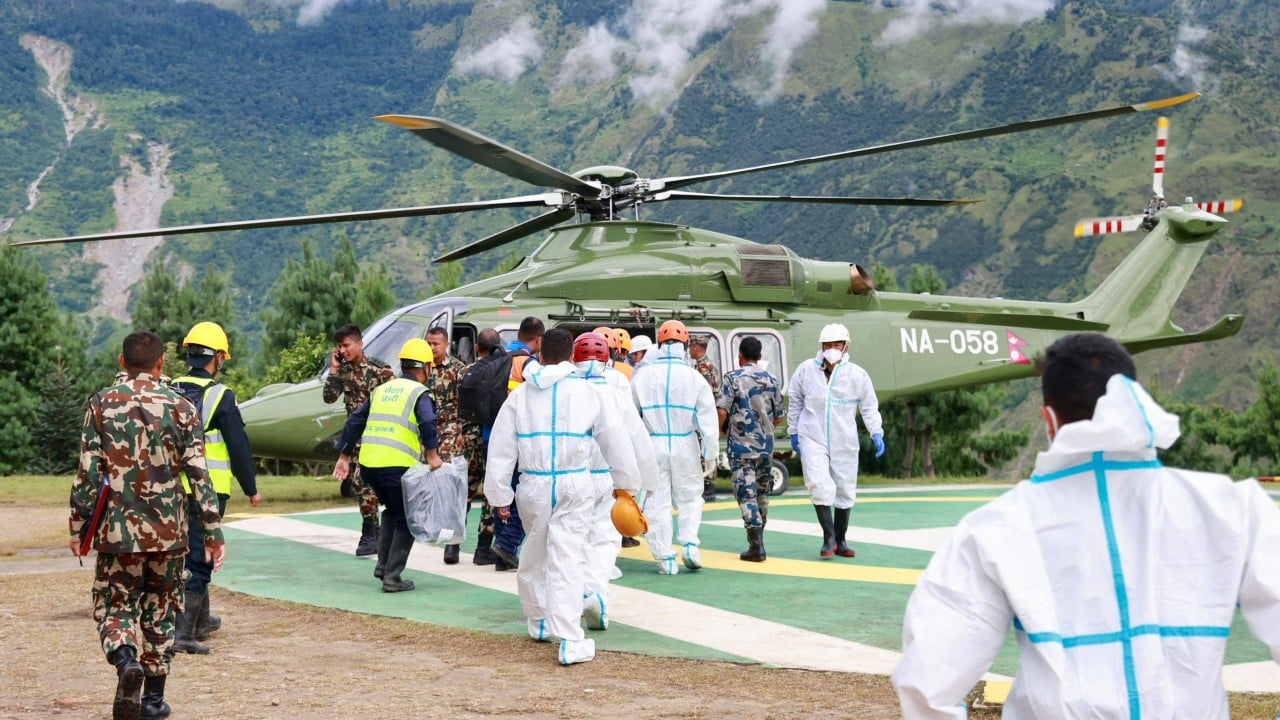
Rajendra Lama, a tourism entrepreneur with over two decades of experience, is tirelessly working to reassure anxious tour groups that Nepal remains open for business despite catastrophic floods along the Nepal-China border. The disaster, which occurred on August 26, has resulted in a death toll exceeding 1,200 and left more than 4,000 people missing, including 600 tourists en route to the revered Mount Kailash pilgrimage site.
Despite the global attention garnered by the floods, Lama is adamant that most of Nepal, including popular destinations like Everest and Annapurna, is safe and unaffected. Tourism operators stress that while the crisis has caused disruption, mass cancellations have not yet taken place. In contrast, during the youth uprising last September, tourist arrivals dropped to around 79,000, a significant decrease from the usual monthly average of 90,000.
The tourism sector plays a crucial role in Nepal's economy, contributing 6.6% to the GDP and providing employment for more than 1 million people in 2023. However, the industry has faced multiple challenges, from the Covid-19 pandemic to the Iran war. Recent flooding has impacted bookings, prompting companies to adjust itineraries, but as of yet, no cancellations have been reported.
Tourism associations and government officials have intensified their efforts, publishing safety statuses, urging visitors to support the country's economy, and reassuring potential tourists that Nepal is not closed. Despite these reassurances, some experts argue that the Nepal Tourism Board's response could have been swifter. They emphasize the importance of communicating safety measures promptly and accurately, while also acknowledging that the country is open and welcoming to visitors.
As Nepal moves forward, industry experts and entrepreneurs are collaborating with the Nepal Tourism Board to enhance the Nepalnow.travel platform, offering real-time safety information and demonstrating the nation's commitment to addressing the crisis and remaining open for business. Analysts stress the need for lawmakers to incorporate climate-driven policies into tourism and mountaineering sector regulations, addressing disaster response and overtourism to ensure the long-term sustainability of Nepal's tourism industry.
Written by urgent.news from South China Morning Post's reporting — not their text. Machine-written — may contain errors; check the original before relying on it.