NASA to Cover Progress 96 Spacecraft Launch, Docking
NASA will provide live coverage of the launch and docking of a Roscosmos cargo spacecraft carrying about three tons of food, fuel, and supplies for the crew aboard the International Space Station. The unpiloted Progress 96 resupply spacecraft is scheduled to launch at 12:15 p.m. EDT (9:15 p.m. Baikonur time), Wednesday, Sept. 9, on a […] The post NASA to Cover Progress 96 Spacecraft Launch,…
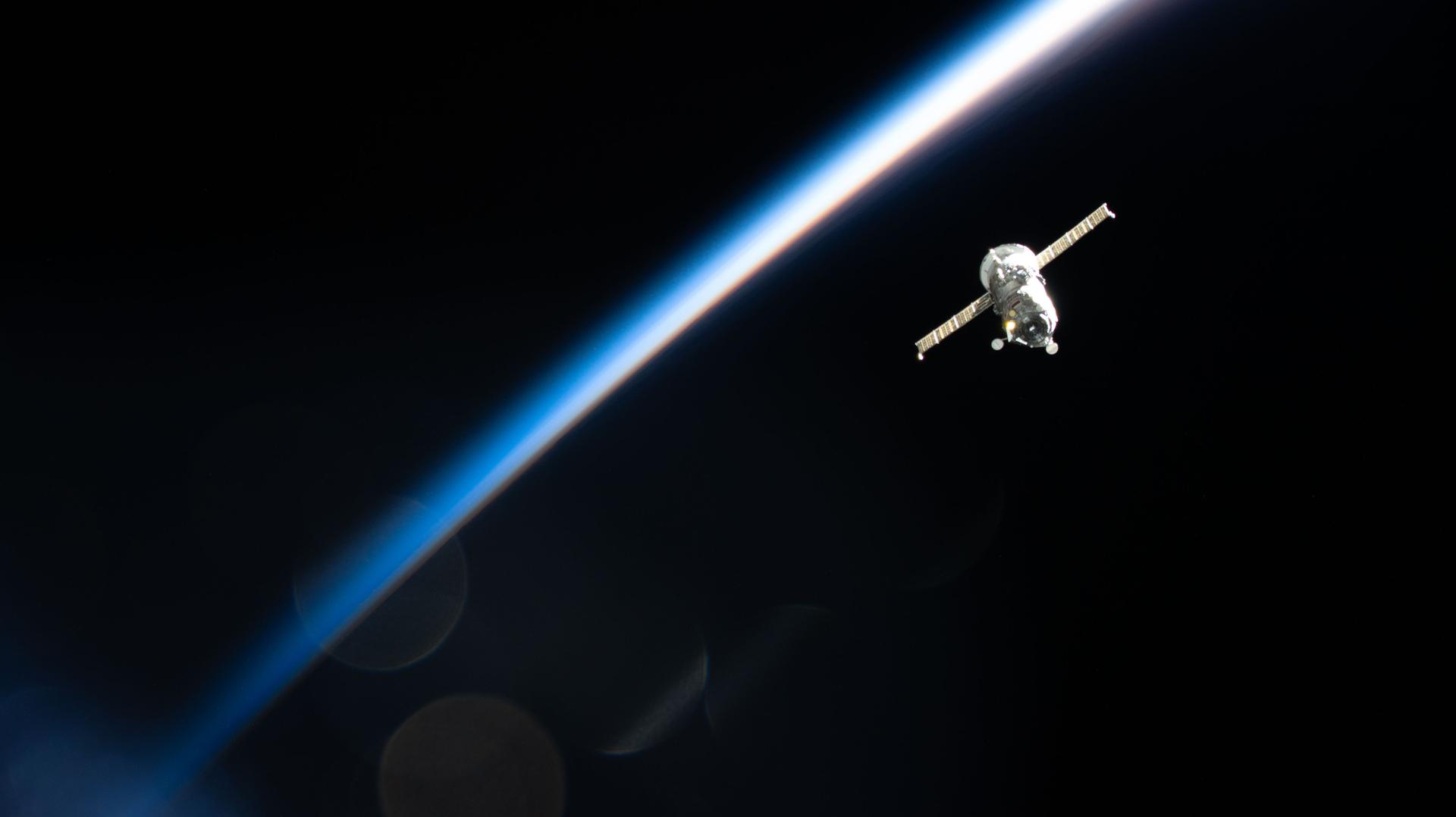
NASA will provide live coverage of the launch and docking of a Roscosmos cargo spacecraft known as Progress 96. This unpiloted supply vehicle, carrying approximately three tons of provisions for the International Space Station crew, is set to blast off at 12:15 p.m. EDT (9:15 p.m. Baikonur time) on September 9th from the Baikonur Cosmodrome in Kazakhstan.
NASA's live launch coverage will commence at 12 p.m. After the spacecraft completes its two-day journey to the ISS, it is scheduled to autonomously dock to the Poisk module's space-facing port at 2:37 p.m. on September 11th. The live coverage of this event will begin at 1:45 p.m.
Once the Progress 96 spacecraft is secured to the space station, it will stay docked for around five months before departing for Earth. During this period, the spacecraft will be filled with waste materials and will harmlessly burn up over the Pacific Ocean upon re-entry.
Prior to the arrival of Progress 96, another Progress spacecraft, Progress 94, will undock from the ISS on September 7th around 11:18 a.m. for its journey back to Earth, where it will also disintegrate in the atmosphere. However, NASA will not be broadcasting the undocking of Progress 94.
For the past 25 years, astronauts and cosmonauts have continuously occupied the International Space Station, conducting groundbreaking scientific research and fostering technological advancements. These ongoing efforts serve to expand our understanding of life in space, facilitate commercial activities in low Earth orbit, and pave the way for future long-duration missions to the Moon and Mars. For more information about the International Space Station and its research endeavors, visit NASA's dedicated station page.
Written by urgent.news from NASA Science's reporting — not their text. Machine-written — may contain errors; check the original before relying on it.