My favorite earbuds of the year just got an open-ear makeover, as this top cheap headphone brand debuts 7 new models
At IFA 2026, Anker's Soundcore unveiled 7 new audio products, including open earbuds which take features from my favorite pair of buds so far this year.
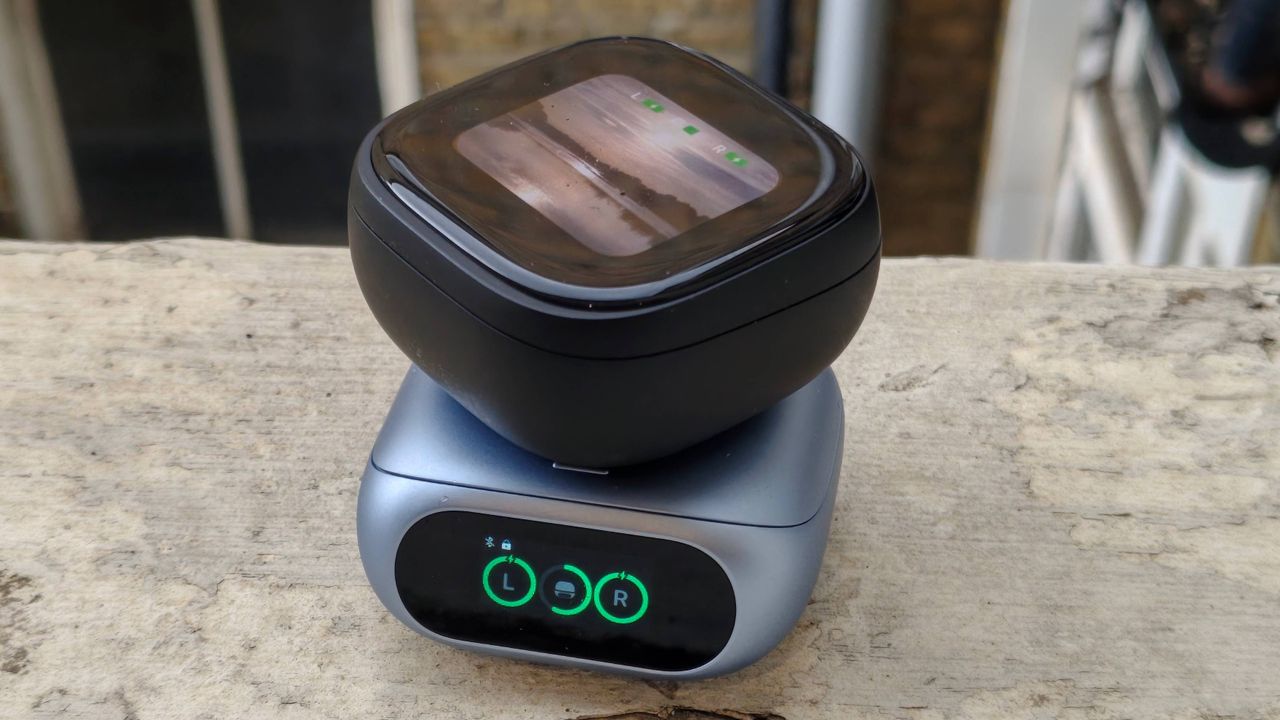
Anker's sub-brand Soundcore unveiled seven new headphones at the IFA trade show, featuring open-ear, over-ear, and in-ear designs. Among the new models is the Soundcore Aeroclip 2, a successor to the original Aeroclip, equipped with Anker's proprietary AI chipset, the "Thus" chip. This chip provides benefits such as improved call quality, optimized battery life, and an enhanced listening test.
The Aeroclip 2 will be available for $169.99 (approximately £159.99 or AU$320) and will be released on September 22. Additionally, Soundcore introduced the Soundcore Liberty 5 Pro, which they consider one of their best earbuds of 2026, boasting a 4.5-star review. The Liberty 5 Pro and Aeroclip 2 have advanced versions, the 5 Pro Max and Aeroclip 2 Pro, respectively, which feature a control panel on the charging case and a note-taking and transcription tool utilizing the case to take notes.
The price for the advanced models is $229.99 (around £200 or AU$400), but no release date has been announced yet.
Written by urgent.news from TechRadar's reporting — not their text. Machine-written — may contain errors; check the original before relying on it.