More schools are banning cell phones. The academic benefits haven’t materialized
School cell phone bans aren’t as new as you might think. While a growing number of states have adopted them over the past three years, the practice dates to 1989, when Maryland prohibited the devices (and pagers) in an attempt to limit in-school communication among students who may have been involved in illegal activities. By 2009, in fact, nine out of 10 schools had banned cell phones. But that…
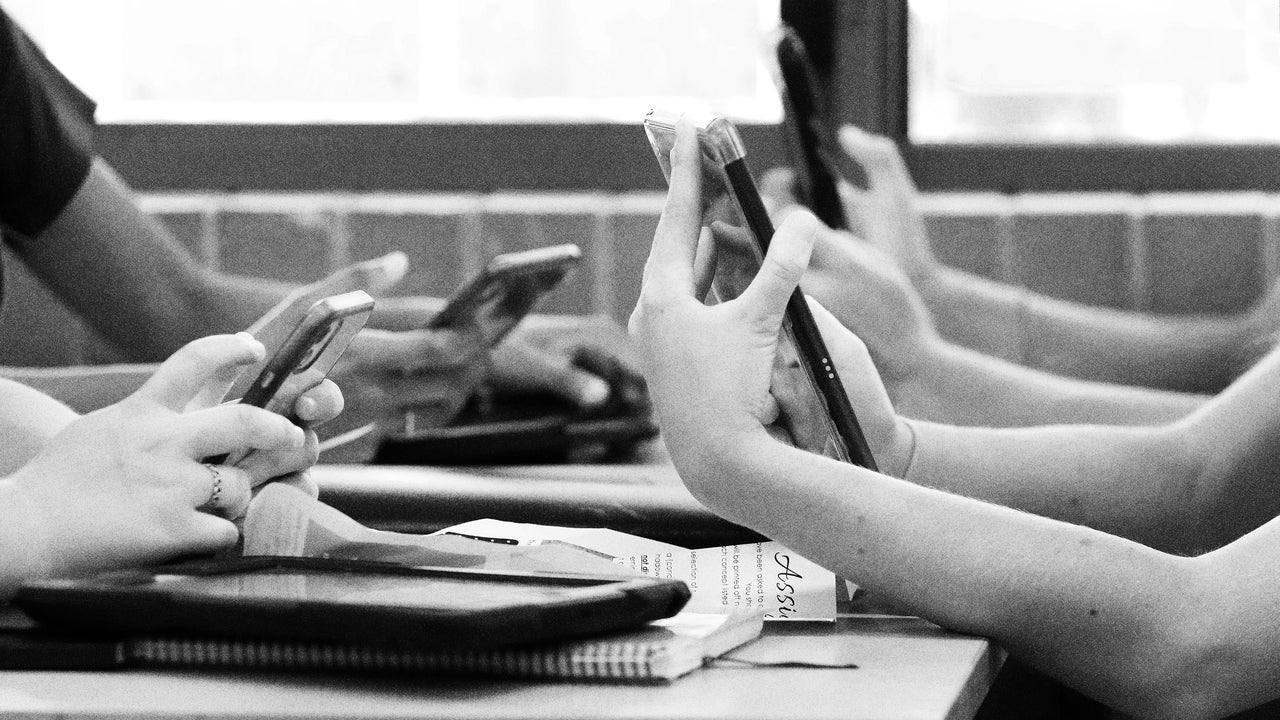
Cell phone bans in schools have been around for decades, with some states implementing them since 1989. In 2009, nine out of ten schools had adopted the practice, but the number has since decreased as smartphones became more prevalent. Recent data suggests that these bans may not be as effective as initially thought, particularly in boosting test scores and reducing bullying.
A study from Stanford University and the National Bureau of Economic Research found virtually no impact on test scores over the past three years in schools with enforced bans. Researchers were surprised by this lack of movement, as they expected to see a positive shift in test scores. While removing phones may not directly guarantee better classroom attention, there is little evidence to suggest that restricting phone usage improves other aspects of the school environment.
Discipline issues increased and reported well-being declined in the first year of implementation, but by year three these numbers had returned to pre-ban levels. Student well-being seemed to improve, however, if measured by surveys. Support for school phone bans remains strong, with a Pew Research Center survey finding that over three-quarters of adults support the bans for middle- and high-school students, and a majority now favor banning devices for the entire school day.
Despite these findings, some potential benefits of school phone bans may still emerge, particularly in the long term.
Written by urgent.news from Fast Company's reporting — not their text. Machine-written — may contain errors; check the original before relying on it.