Meta tells engineers: Your AI use will no longer count in performance reviews
Meta has told engineers that AI usage will no longer count toward performance reviews, ending the tokenmaxxing era inside the company. New guidance says managers will not use AI adoption dashboards or token counts to judge impact, and will assess output instead. The shift follows months of mandatory AI tools, internal token leaderboards, a keystroke tracking programme, and a lawsuit over the old…
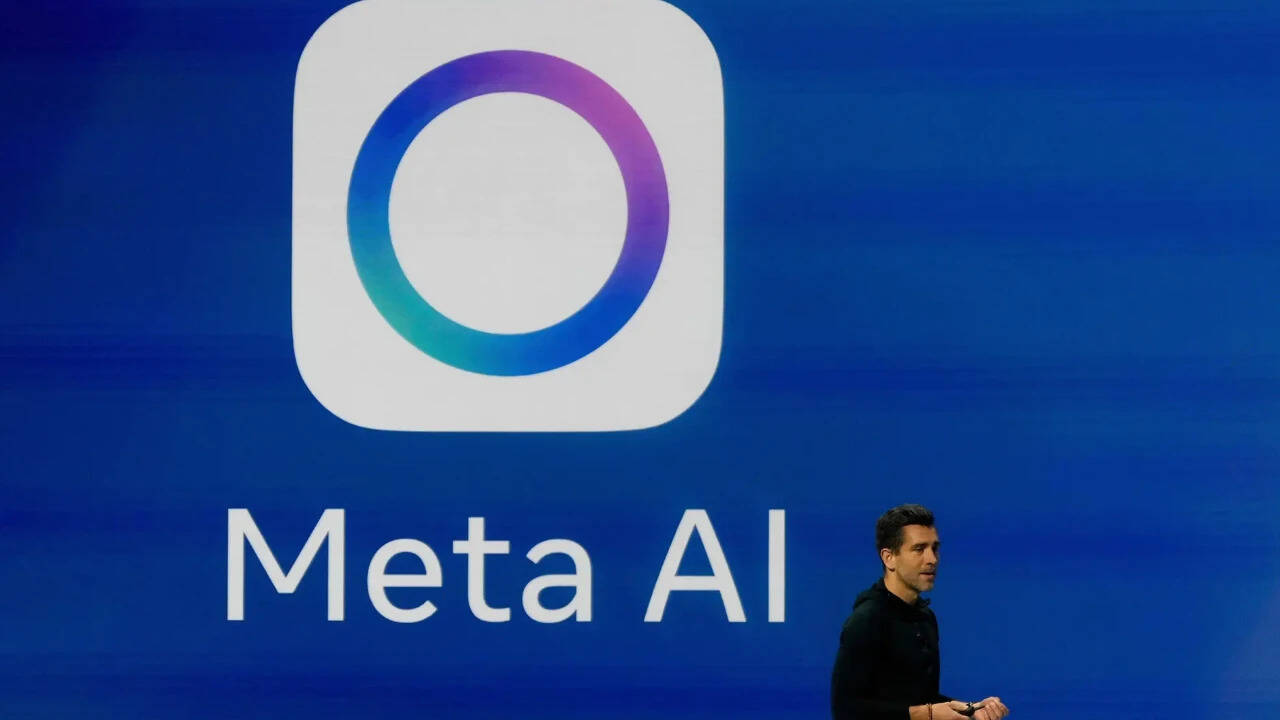
Meta has informed its engineers that the quantity of AI usage will no longer influence their performance reviews. The company recently issued new guidance for performance evaluations that removes the connection between ratings and AI usage as well as the internal AI Native designation. Instead, the revised guidance states that the work can be supported by AI or alternative methods.
Three employees who received the memo discussed the change with Wired. According to The Information, engineers throughout the company were told that management will not utilize AI adoption dashboards or token counts to assess impact. This marks a reversal from Meta's approach over the past year, when workers were graded based on their AI-driven impact and categorized into tiers such as AI Native, AI First, and AI Enabled.
The result inside the company was "tokenmaxxing," a competition to consume as many AI tokens as possible to improve their dashboard ratings. For engineers who spent months optimizing their prompts to boost their ratings, the memo signifies a tacit admission that the metric was never the main goal. Meta had been evaluating engineers based on their AI usage for nearly a year, leading to internal dashboards tracking token consumption and a leaderboard ranking colleagues by AI consumption, which was eventually pulled in April after details leaked.
The increased pressure resulted in consequences beyond morale issues, with about 24 employees suing in July, alleging that Meta violated US antidiscrimination law during a May layoff. They claimed they were unable to accumulate usage and were rated down for it. Meta has denied the allegations, and the case is still ongoing. The new memo instructs managers to evaluate output rather than token counts.
Managers are now required to assess what an engineer produced rather than how they produced it. The guidance reinstates impact as the measure and treats AI as one means to achieve it. A Meta spokesperson confirmed to Wired that the update simply emphasizes what was always true—employees are assessed on their contributions, and the AI Native label was never used in evaluations.
However, employees interpreted the wording change differently. While some found the change subtle but welcome, as it prevents the urge to use AI in situations where it doesn't help, others remain unconvinced that expectations have changed. Leadership still seeks proof that engineers can effectively utilize these tools, and token consumption continues to rise as staff test Meta's latest agentic project, Hatch.
The mandatory AI push had broader implications for Meta engineers, creating a trust problem. The initiative encompassed AI Transformation Weeks, encouraging designers to code and coders to design, followed by rationing AI usage due to supply pressure. The company also installed software on US employees' machines to capture keystrokes, clicks, and screen content for model training.
Over 1,000 workers signed a petition against this program, leading to its temporary suspension. Internal numbers revealed that code changes to internal systems increased by 220% year-over-year, while changes reaching users grew by 36%. The volume was genuine, but the impact was not. Dropping token counts from reviews is Meta acknowledging the same on paper.
Written by urgent.news from Times of India's reporting — not their text. Machine-written — may contain errors; check the original before relying on it.