Lusail Museum aims to reframe global cultural exchange
The Lusail Museum, an ambitious Qatar Museums project envisioned as far more than a new cultural institution, is being developed as a global platform for dialogue on art, culture, identity and the com...
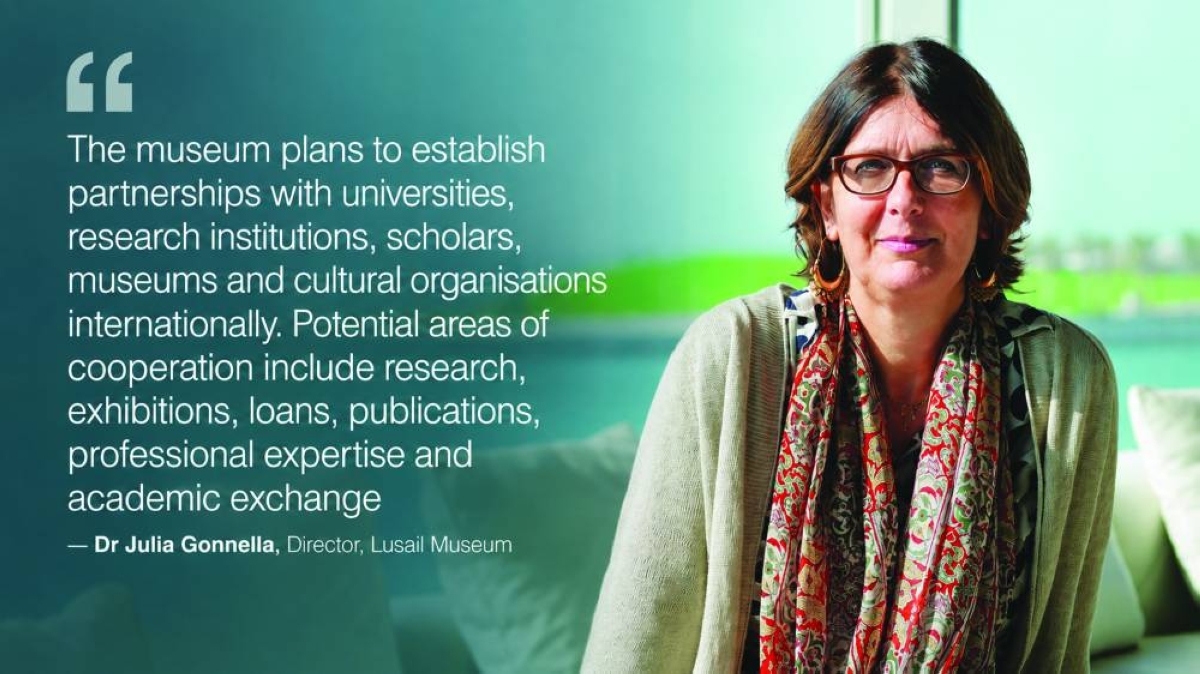
The Lusail Museum, a groundbreaking project by Qatar Museums, aims to transcend its role as a cultural institution and become a global platform for dialogue and debate on art, culture, identity, and cultural exchange, according to Dr. Julia Gonnella, the museum's director. Located in Lusail, the museum will build upon Qatar's expanding international cultural footprint while offering a unique intellectual focus through its collections, exhibitions, research, and public programs.
At its core, the museum will serve as a dynamic global forum for discussing art, cultures, and power, challenging simplified historical narratives and examining the legacies of cultural encounters. A cornerstone of the museum will be Qatar Museums' extensive collection of Orientalist art, spanning from the 16th to the 19th and early 20th centuries, which includes works by renowned artists.
The museum will reframe Orientalism as a broader historical phenomenon, considering colonialism, technological advancements, global trade, and the movement of people, goods, ideas, and images. Research and scholarship will be integral to the museum's activities, facilitated by the Lusail Institute, a research and ideas hub that will support scholarly pursuits, publications, partnerships, and public programming.
The museum plans to forge international partnerships with universities, research institutions, scholars, museums, and cultural organizations, focusing on genuine reciprocity and mutual benefit. Collaborations with artists, filmmakers, architects, technologists, and local artisans will also be pursued, with the museum's design by Herzog & de Meuron reflecting its commitment to cultural exchange.
The Lusail Museum, set to open in 2029, merges international architectural expertise with regional craftsmanship, symbolizing its broader philosophy of approaching heritage as a living source of knowledge and creativity. Dr. Gonnella emphasizes that the museum aims to create a space for future generations to engage in ongoing conversations about the world and its future, fostering dialogue, questioning perspectives, and adapting to changing circumstances.
Written by urgent.news from Gulf Times's reporting — not their text. Machine-written — may contain errors; check the original before relying on it.