Urgent.News

What's breaking now, across thousands of outlets.

Business

La industria alemana pide volver a la jornada de 40 horas

Los ejecutivos achacan su reclamación a la caída de la competitividad. Leer
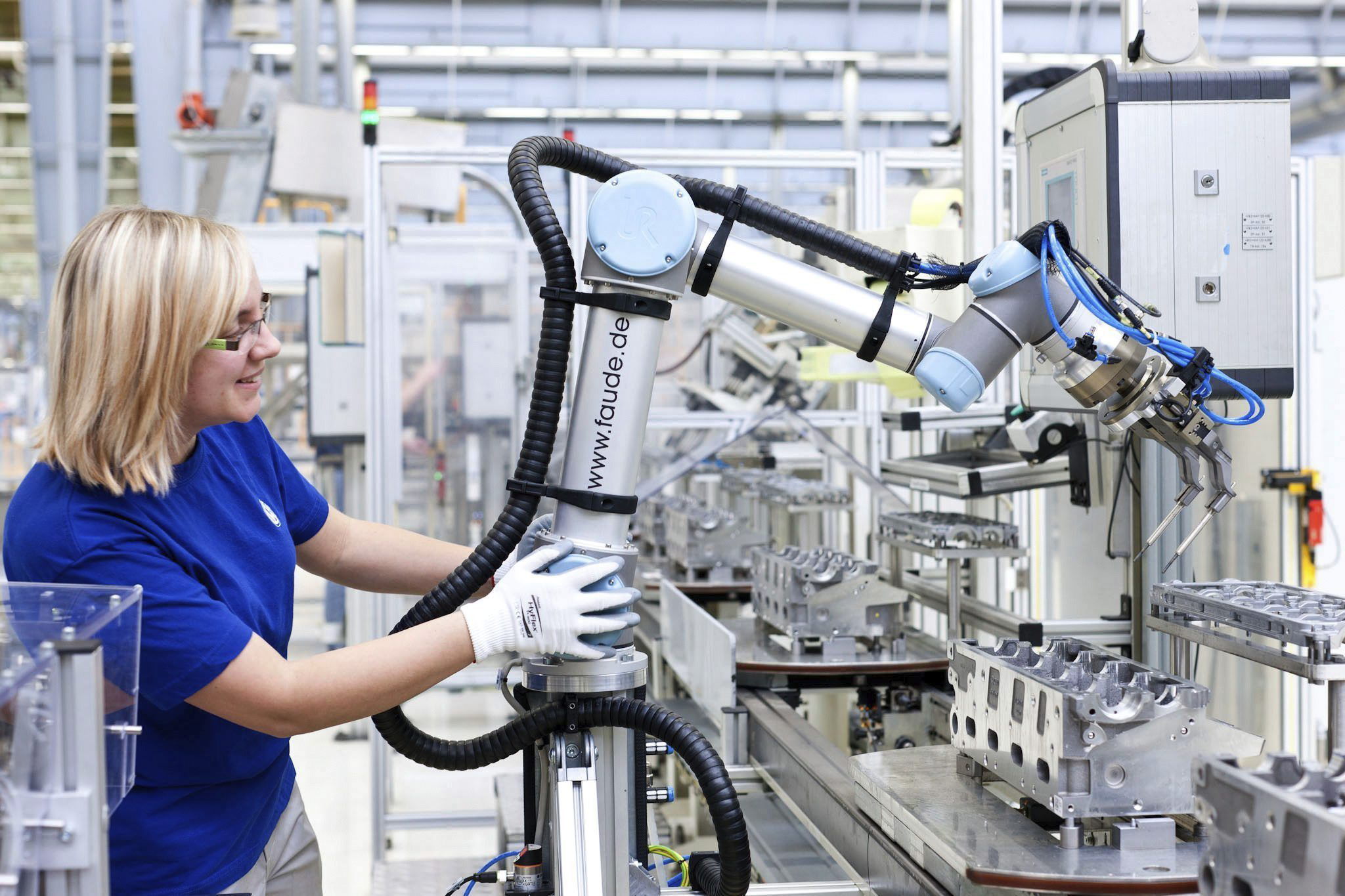
La industria alemana pide volver a la jornada de 40 horas

German industry calls for a return to a 40-hour workweek. Large companies in Germany's industry are pushing to restore a 40-hour weekly workweek after instituting a 35-hour workweek four decades ago, arguing that labor costs are eroding Germany's competitiveness. Labor costs in Germany are the highest in the European Union (EU), with an hourly price of 49.50 euros, 47% above the EU average of 33.70 euros, and three times the hourly cost in Hungary, which stands at 15.60 euros, according to data collected by Financial Times.

According to a British newspaper expert, labor costs are not just 10-20% different from rival economies, but in some cases, up to four times higher. The expert believes that in the past, Germany's high labor costs were offset by other attractive factors for employers such as political stability, a solid infrastructure, skilled labor, and dense industrial clusters, but this no longer holds true.

The unit cost per worker in Germany has been increasing at a faster pace since 2023 than in previous years, according to the IMK research center survey, although it must be noted that German workers' productivity is above those in Eastern Europe. Major executives from companies like Mercedes-Benz and the tool manufacturer Stihl have already expressed support for introducing changes to the workweek and increasing weekly working hours per worker.

Labor costs have become too high by international standards, according to the president of the supervisory board of Mercedes-Benz, Martin Brudermüller, in a statement to the German newspaper Handelsblatt, adding that Germany has lost its productivity advantage over major competitors. The calls for a return to a 40-hour workweek come as wage negotiations between German employers and unions are set to begin in October.

The 35-hour workweek is in place for a fifth of the country's workforce, specifically in the automotive, engineering, and steel sectors. Meanwhile, the average weekly working hours in Germany are 37.8, placing Germans at the top among OECD countries in terms of least working hours, also influenced by the percentage of part-time workers.

Since 2018, German industry production has fallen by around 15%, and employment has reduced by more than 5%, according to Financial Times data.

Written by urgent.news from Expansion ES's reporting — not their text. Machine-written — may contain errors; check the original before relying on it.

Read the original at expansion.com →

More in Business

And it begins…(a good start…)

Wall Street banks are pushing large law firms to cut fees, arguing that the business model that has enriched top lawyers for decades is not sustainable in an era of AI.

  • Wall Street banks like Morgan Stanley and Citigroup urge law firms to renegotiate fees.
  • AI advancements may reduce cost per transaction, according to Citigroup’s Adam Meshel.
  • Citigroup seeks law firm bids detailing AI cost-saving strategies.

More from Thursday 3 September →