Iran-Krieg: Chemie-Industrie profitiert von Hormus-Blockade
Lieferkettenprobleme bei der Konkurrenz und Vorratskäufe sorgen für höhere Umsätze in der deutschen Chemie-Industrie. Doch die Branche warnt vor zu viel Optimismus.
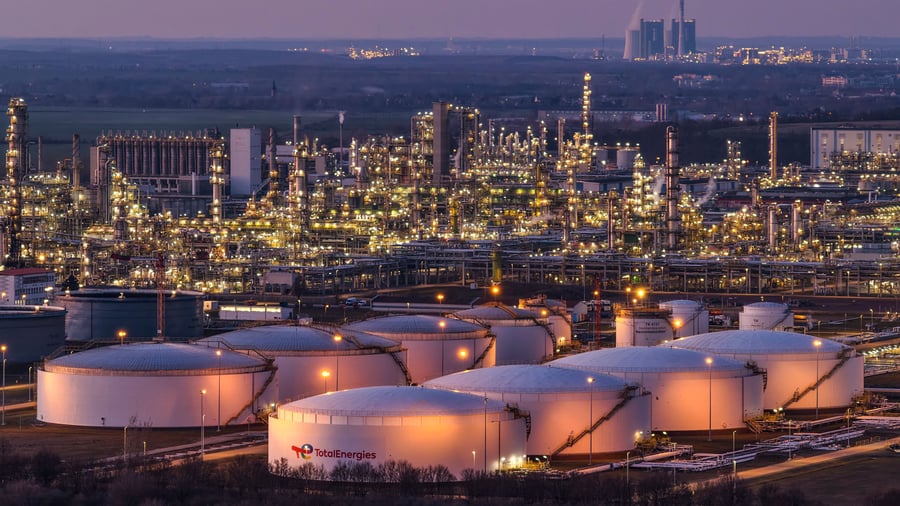
The German chemical and pharmaceutical industry has experienced a resurgence following the Middle East conflict. In the second quarter of this year, the industry's revenue rose surprisingly by 7.3 percent, according to the industry association VCI. This increase was attributed to a slight rise in production (+2.4 percent compared to the previous quarter) and a 5.7 percent rise in prices.
The association attributes these price hikes to supply chain issues for competitors in Asia and the Middle East caused by the war. These issues are more severe than those faced by European counterparts, as many are heavily reliant on shipping through the Hormus Strait. Additionally, many customers have stocked up on inventory in response to the Iran war.
However, the industry sees this development as merely a pause in the action. Company production facilities remain 73.2 percent below average capacity utilization, and orders and revenue already dropped again by June. "War purchases and geopolitical squabbles are not a trend reversal. The old problems have not vanished into thin air.
The German industry needs to finally adopt a consistent course toward greater competitiveness," said VCI president Markus Steilemann. The association had already lowered its production forecast for the year to a 1.5 percent decline several weeks ago. By the start of the year, the forecast had been for stagnation. Higher producer prices were expected to contribute to a 2.5 percent growth in industry revenue for the year, according to the association.
Continued weak capacity utilization, high cost pressure, and a sluggish industrial cycle continue to burden the industry's business in the second half of the year.
Written by urgent.news from Handelsblatt's reporting — not their text. Machine-written — may contain errors; check the original before relying on it.