Intel scraps 44-year-old 'Fellow' title for top scientists, changes 'standard of technical leadership' — technical luminaries must now deliver measurable business results, combine deep expertise with strategic vision and 'measurable tactical progress'
Intel gets rid of hundreds of vice presidents, replaces 'Fellows' with 'distinguished engineers,' changes 'standards of technical leadership.'
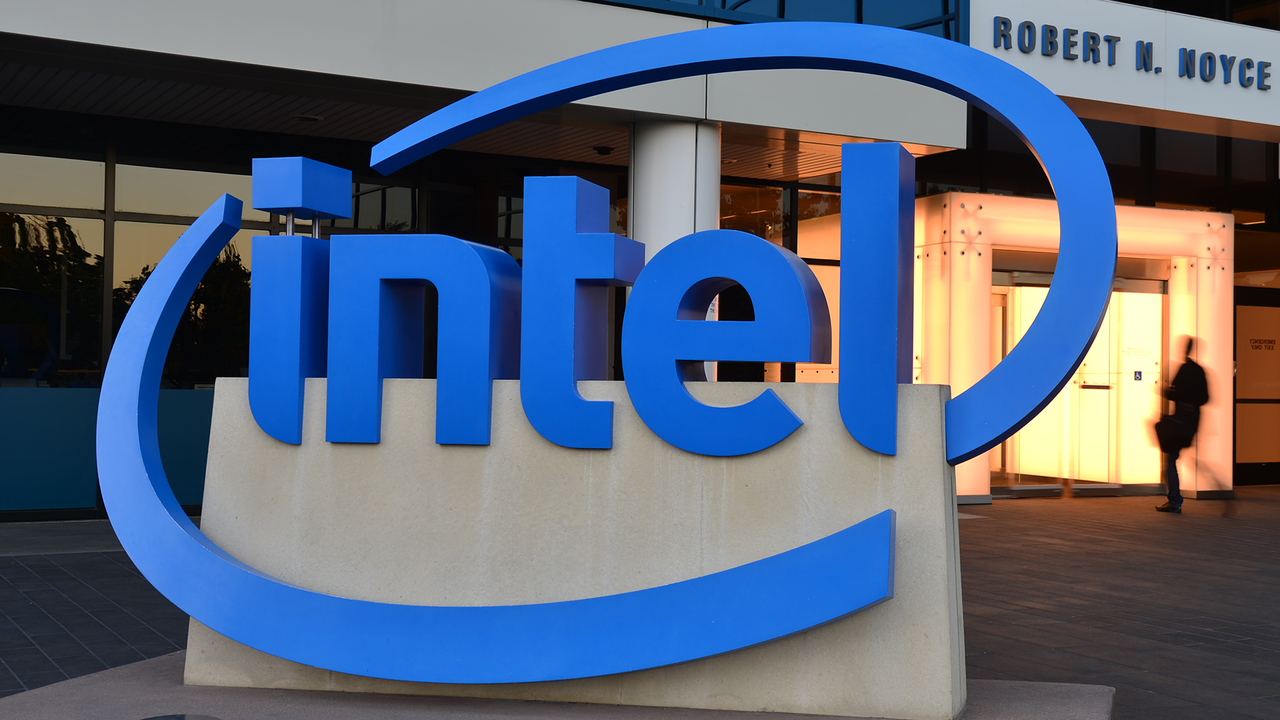
Intel has announced that it will no longer use the title "Fellow" for its top scientists, researchers, and developers, replacing it with "Distinguished Engineers". This change does not impact employees' compensation but signals a shift in the company's standards for technical leadership. The new designation requires these experts to combine deep domain expertise with strategic vision, creative innovation, disciplined execution, and measurable tactical progress.
Intel CTO Pushkar Ranade emphasized that the future of Intel will be determined by leaders who embody these qualities. The Fellow title, established in 1980, carried academic roots and implied recognition by peers as a leading authority in the field. Intel's top Fellows included pioneers in microprocessor architecture, process scaling, high-speed interconnects, and silicon physics, such as Marcian Ted Hoff and Justin Rattner.
Some notable Fellows, like Boris Babayan, contributed to strategic and tactical challenges without traditional management roles. The new titles may indicate a shift away from the traditional research lab model, where Fellows held significant organizational and status value.
Written by urgent.news from Tom's Hardware's reporting — not their text. Machine-written — may contain errors; check the original before relying on it.