Inside the Tumultuous Private Life of Muhammad Ali Jinnah, Founder of Pakistan
When the Simon Commission met Jinnah in the lobby of the Western Hotel in February 1929, everything about him belied the fact that he would soon found the world’s first Islamic republic: Pakistan. A reserved Gujarati barrister-turned politician who the
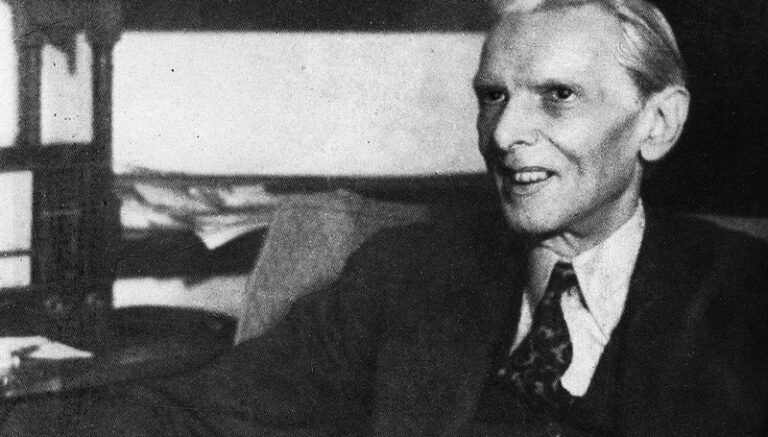
Muhammad Ali Jinnah, founder of Pakistan, was a man of complex private life. In February 1929, he made a striking impression at the Western Hotel in Karachi. Known for his reserved demeanor and impeccable style, Jinnah was also a whisky drinker, pork eater, and chain-smoker. His evolution into the founder of Pakistan puzzled historians, but it began with his youth in Hindu-majority Karachi.
Originally aspiring to be a Shakespearean actor, Jinnah found his passion in law and became one of the highest-paid lawyers in the country.
During the Great War, Jinnah rose to prominence in Muslim politics and became a member of the Viceroy’s Imperial Legislative Council. Sarojini Naidu, a close friend and poet, described Jinnah as possessing an inner worth that was not immediately apparent from his reserved exterior. Despite his public image, Jinnah was found to be warm, exceptionally intelligent, and exceptionally human, with a humor and idealism that were often overshadowed by his seeming aloofness.
Jinnah's personal life was equally tumultuous. In 1918, he courted Ruttie Petit, the 18-year-old daughter of a Parsi baronet, causing scandal and anger among Bombay society. Jinnah's ambition to marry Ruttie was thwarted by her father, who opposed interfaith marriages. The two continued to court secretly and eventually eloped, with Ruttie converting to Islam just before their wedding.
Their marriage was far from harmonious. Jinnah was a workaholic who often forgot important dates, such as Ruttie's birthday, and spent much of his time campaigning for India’s nationalist movement. He was also critical of Gandhi’s religious politics and refused to address him as "Mahatma," leading to his exclusion from the Congress Party.
Despite Jinnah's reservations about Gandhi, their marriage remained stormy. Jinnah's neglect and apparent disinterest contrasted sharply with his love for Ruttie, who remained devoted throughout their tumultuous marriage.
Written by urgent.news from Literary Hub's reporting — not their text. Machine-written — may contain errors; check the original before relying on it.