Indonesia's global commodities price-setting ambition risks backfiring
The exchange, scheduled for launch next year, is President Prabowo Subianto's latest initiative to expand state influence over natural resources in a country that is the biggest global supplier of palm oil, nickel and thermal coal and a major source of copper and bauxite.
President Prabowo Subianto's plan to launch a new commodities exchange in Indonesia next year aims to increase state control over natural resources, including palm oil, nickel, thermal coal, copper, and bauxite. However, the exchange faces significant challenges in competing with established markets and may backfire if participation becomes mandatory.
Industry experts argue that price-setting relies on trust and setting global prices risks deterring investors. Indonesia's significant presence in these commodities could lead to market distortions, but efforts to set global prices are likely to backfire. The exchange could push investors to seek alternative suppliers or products if the set price is higher than on other exchanges, and buyers might shift to other countries with more stable markets.
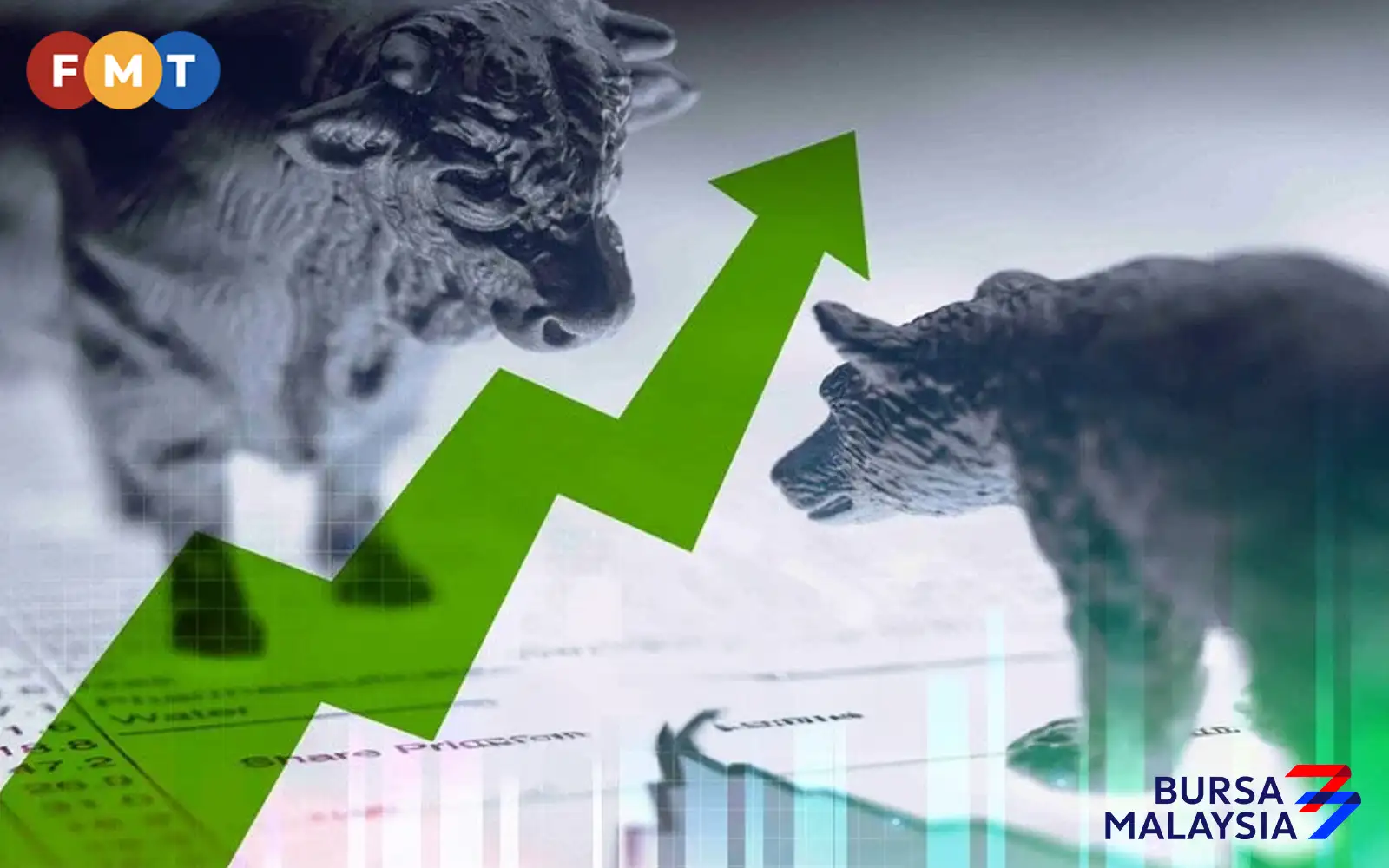
The palm oil bourse launched in 2023 has seen limited transactions, and Bursa Malaysia's Crude Palm Oil (CPO) Futures contract remains the benchmark for global price discovery and risk management. Indonesian palm oil traders expect a split market rather than a new benchmark.
Written by urgent.news from The Jakarta Post's reporting — not their text. Machine-written — may contain errors; check the original before relying on it.