How ‘Somatics’ Became the Solution to Modern Life
The word isn’t new—but in wellness circles, it’s all the rage.
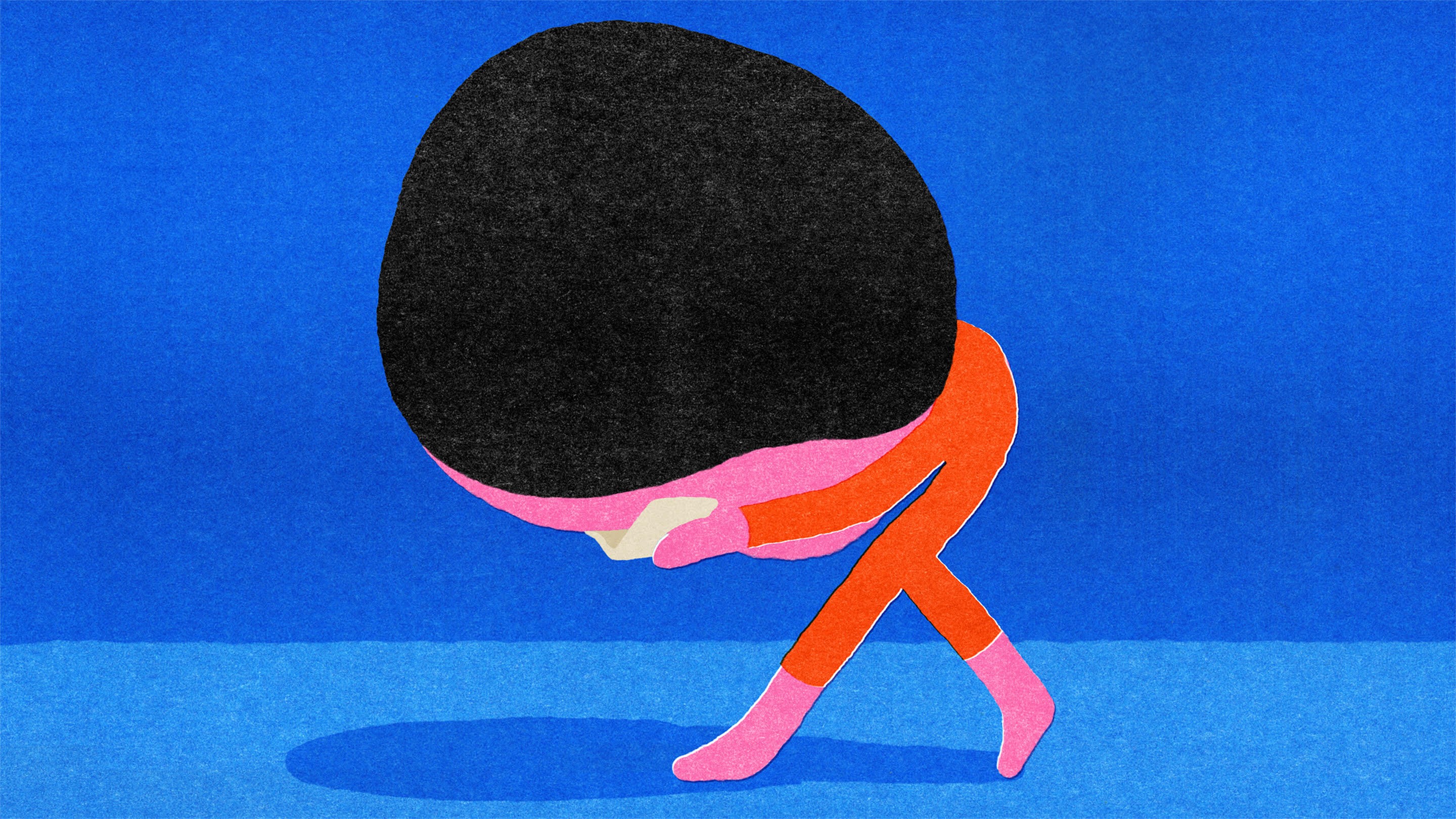
Sybil Ottenstein is a somatic psychotherapist who helps her clients work through physical sensations to address emotional issues. Unlike traditional talk therapy, which focuses on cognitive and behavioral aspects, somatic therapy targets the body as the root of psychological distress. Clients are encouraged to pay attention to their bodily sensations, such as chest palpitations, stomachaches, and emotional reactions like crying or screaming.
This approach aims to release "stuck energy" and trapped emotions, allowing the nervous system to reset from a state of fight-or-flight mode. While the concept of somatics is not new, it has gained significant popularity in recent years. The term itself, meaning "of, relating to, or affecting the body," has been applied to various practices, including somatic dance, yoga, and exercise.
Social media platforms like Instagram also showcase the growing interest in somatic techniques, with hashtags like #somatic attracting hundreds of thousands of posts. Despite some skepticism about its scientific foundation, somatic therapy has been the subject of influential works such as Bessel van der Kolk's "The Body Keeps the Score," which argues for its effectiveness in treating PTSD.
The surge in interest may be attributed to the pandemic, during which many Americans found themselves disconnected from their physical surroundings and yearned for a deeper connection to their bodies.
Written by urgent.news from The Atlantic's reporting — not their text. Machine-written — may contain errors; check the original before relying on it.