How safe do South Africans feel on their streets? Here's how people are changing how they live
Fewer than four in 10 South Africans feel safe walking alone after dark, while almost half are taking steps to protect themselves against crime.
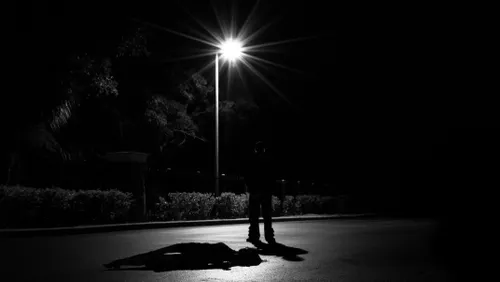
Nearly half of South Africans are taking steps to safeguard their homes and lives against crime, as per Statistics South Africa's latest survey. The survey, conducted between April 2025 and March 2026, revealed that 46.6% of people had implemented some form of protection measure in 2025/26, up from 43.3% the previous year. The most popular safeguard was limiting outdoor activity to safer hours, reported by 31.5% of those who took precautions. Installing physical security measures like burglar doors followed closely at 29.9%.
Despite these precautions, South Africans remain less confident walking through neighbourhoods after dark than during the day. While 81% felt safe walking alone during daylight in 2024/25, that number dropped to 77.9% in the subsequent year. After dark, only 37.9% reported feeling safe, a slight improvement from 36.1% the previous year.
Limpopo residents displayed the highest level of comfort, with almost all individuals feeling secure walking alone during daylight hours and over two-thirds feeling safe after dark. The survey, which captures households' and individuals' own experiences of crime, including unreported incidents, offers a distinct perspective on crime beyond police statistics. It complements the South African Police Service's (SAPS) crime data, providing insight into the actual experiences and perceptions of the public.
Housebreaking, or burglary, remained the most common crime experienced by households, with over 1.5 million incidents reported in 2025/26, affecting about 1.08 million households, or 5.3% of the national household population. However, only 48.2% of these households reported the incidents to the police, meaning that over half of the affected households did not file reports.
Among individuals, theft of personal property was the most frequently experienced crime, with an estimated 1.2 million South Africans aged 16 and older affected during 2025/26. Out of these, only 37.3% reported the incidents to the police. Street robbery, while the second most common personal crime, saw a slight decline in reported incidents from 529,000 in 2024/25 to 515,000 in the following year.
Despite this, less than half of the victims reported street robberies to the police, underscoring the underreporting trend across many crimes.
Conversely, assaults saw an increase in reported cases, with the number of individuals experiencing assault rising from 363,000 in 2024/25 to 408,000 in 2025/26. Women were more likely to be assaulted, with nearly a third of female victims reporting that their perpetrators were spouses or intimate partners, a stark contrast to the 2.2% of male victims.
Most victims reported that a weapon was used during the assault, with knives being the most common instrument. These findings highlight the multifaceted nature of crime in South Africa, where organised, armed criminal groups and interpersonal crimes, often by known individuals, pose significant challenges to community safety.
Written by urgent.news from IOL's reporting — not their text. Machine-written — may contain errors; check the original before relying on it.