How Noida workers’ protest landed a DU student in jail under NSA
Akriti Chaudhary was jailed under the NSA after a workers’ protest turned violent. While the NSA order was quashed, she remained in custody due to separate criminal cases related to the April violence until she secured bail
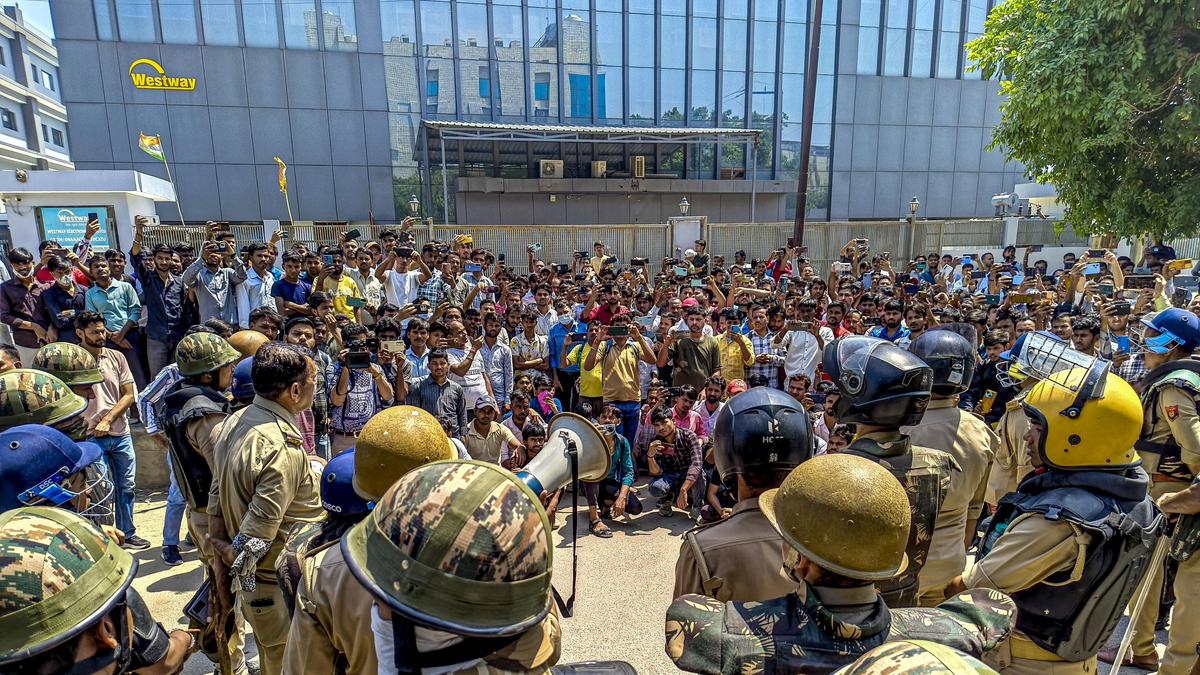
On a warm April afternoon, as geopolitical tensions between the United States, Israel and Iran led to global oil and gas price increases, workers in Noida, a major industrial hub in Asia, raised their voices demanding higher minimum wages amid escalating living costs. This protest was part of a growing wave of labor unrest in the National Capital Region (NCR), following similar actions in neighboring Haryana where workers had recently secured wage increases.
The demonstration started with workers chanting slogans, skipping tasks, and staging protests outside their institutions. However, it escalated to violence on April 13 when protests turned chaotic, with vehicles burned, stones thrown at police barricades, and tear gas used to disperse the crowd. Subsequent days saw domestic workers join the protests, demanding improved wages and working conditions.
The Uttar Pradesh government responded by approving a 21% increase in minimum wages and issued revised wage rates for various worker categories by April 18. The subsequent crackdown led to the filing of one FIR and charges of rioting, arson, and attempted murder against activists, workers, and journalists. Over 300 individuals were arrested by mid-April.
Akriti Chaudhary, a 25-year-old law student from Delhi University and a member of the Progressive Artists’ League, was among those arrested. She was charged with "instigating workers toward violent protests" and was accused of having connections to foreign funding. In May, the Uttar Pradesh Police invoked the National Security Act (NSA), 1980, against her and another individual, Satyam Verma.
The NSA permits extended detention without a regular trial if authorities deem a person's activities a threat to national security or public order. Chaudhary sought bail but was denied multiple times by a sessions court in Surajpur, who then directed her to approach the Supreme Court. The Allahabad High Court examined the timeline of events and the authorities' procedures.
The court scrutinized whether a notice under Section 126 of the BNSS had been issued before the detention under Section 130, which mandates the execution of a bond promising to maintain peace. The state denied this, arguing a conspiracy was planned in Delhi in March 2026, with Chaudhary attending a meeting to prepare for a violent workers' movement.
The court dismissed this claim, stating the gathering was actually the inauguration of a children's educational center, with no connection to the ensuing protests. The court rejected the NSA detention order, releasing Chaudhary immediately and ordering Noida authorities to compensate her with ₹5 lakh. However, her legal battles continue as separate criminal cases filed by the police remain unresolved.
Written by urgent.news from The Hindu's reporting — not their text. Machine-written — may contain errors; check the original before relying on it.