How Merkel and Merz lost eastern Germany to the AfD
This Sunday, the far right is well placed to take power in a German state for the first time since 1945.
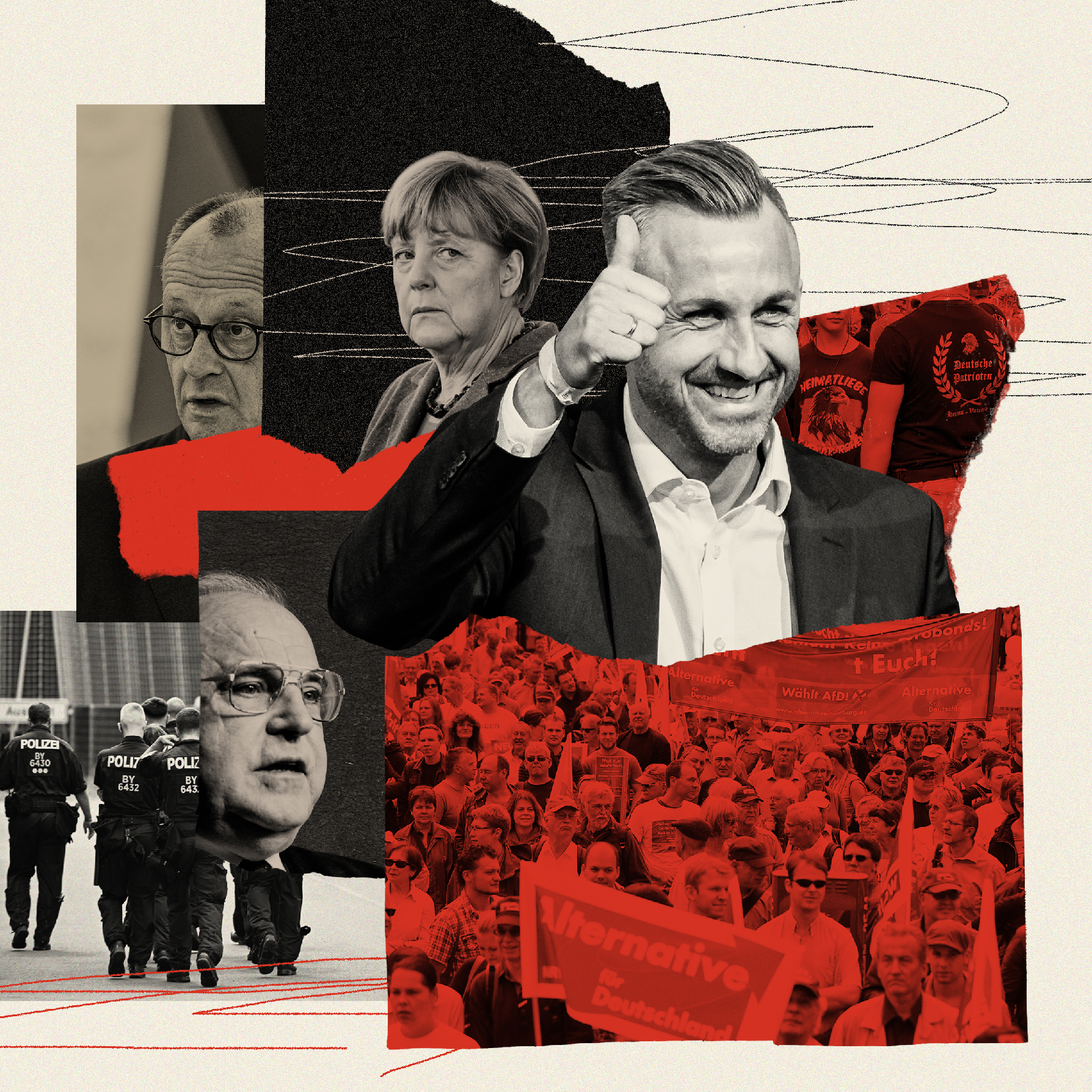
On Sunday, a far-right party named Alternative for Germany (AfD) is positioned to potentially assume power in a German state for the first time since 1945. Ulrich Siegmund, the lead candidate for the AfD, is leading the charge in Saxony-Anhalt, the region where he is vying to become the first far-right leader to govern a German state since the end of World War II. Siegmund's appeal to an eastern identity has resonated with the electorate, as many have been seeking a sense of belonging and a connection to the past.
During Siegmund's campaign stop in Naumburg, a young man chanted "Ostdeutschland!" - a term that evokes the identity of the people living in eastern Germany. He claimed that life in the eastern part of the country was "purer" and "more German" than that of the western part, which he perceived as influenced by the United States. Furthermore, Siegmund's speeches resonated well with the audience, as they echoed the sentiments of the old East German government, calling for a return to oil and gas supplies from Russia and condemning the support of Ukraine.
The AfD's rise in eastern Germany is rooted in the region's struggles with identity and the power concentrated in Berlin following unification. If the AfD secures an outright victory on Sunday, it will raise serious questions about the management of the post-unification transition by previous German leaders like Helmut Kohl, Angela Merkel, and Friedrich Merz, who failed to prevent large parts of eastern Germany from moving towards a far-right political trajectory.
Written by urgent.news from Politico EU's reporting — not their text. Machine-written — may contain errors; check the original before relying on it.