Hong Kong considers DNA testing amid concerns over ‘fighting dog’ classification
Hong Kong’s conservation authorities are considering genetic testing as a supplementary tool for identifying breeds, an official has said after enforcement action against suspected fighting dogs sparked public concern. The Agriculture, Fisheries and Conservation Department (AFCD) also said on Thursday that owners could keep existing fighting dogs, provided they complied with statutory…
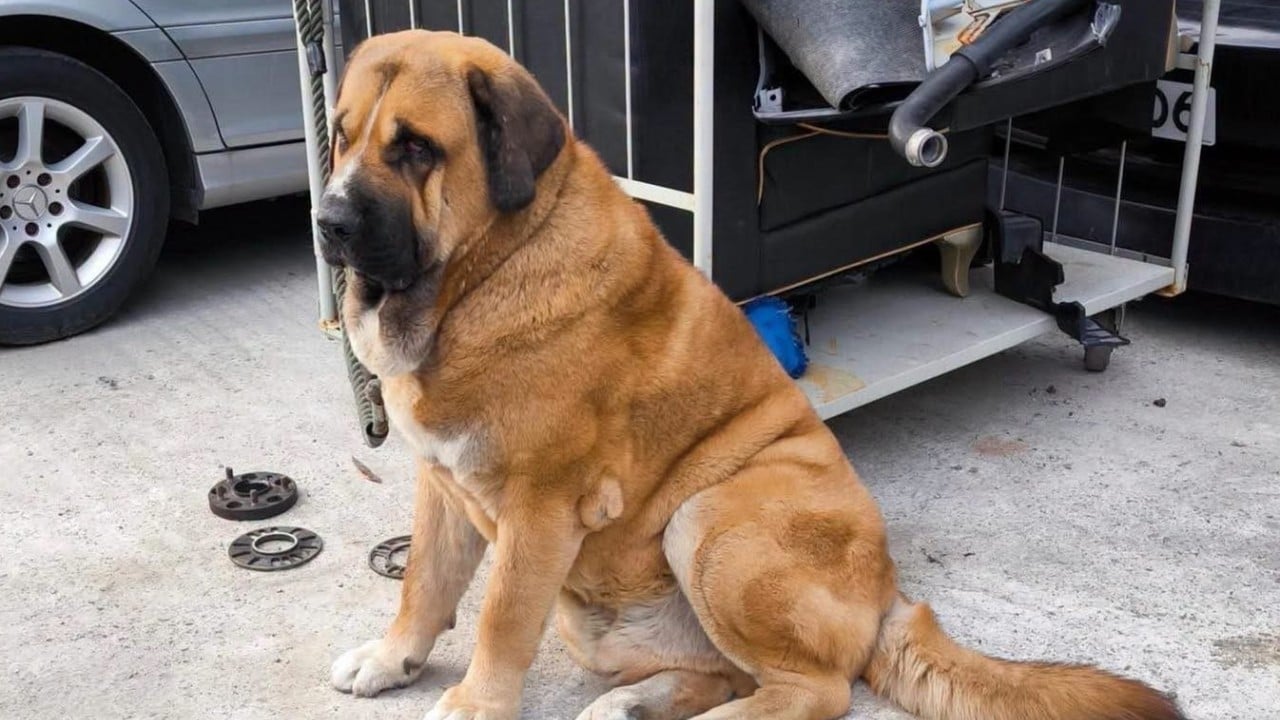
Hong Kong's conservation agency is exploring DNA testing as a supplemental method for breed identification, following enforcement actions against suspected fighting dogs that have prompted public concern. The Agriculture, Fisheries and Conservation Department (AFCD) stated that physical characteristics are currently relied upon to determine if a dog belongs to a fighting type, as this approach is internationally adopted and focuses on risk assessment.
Officials acknowledged that available genetic tests are not yet accurate enough since different reference databases could yield varying results. The department recently announced its intention to examine the latest genetic testing methods to consider their use as supplementary identification tools. Most dogs possess genetic traits from multiple breeds, and just because a dog carries genes associated with fighting dog types doesn't mean it will develop all relevant physical traits.
Because of this, physical observation remains the primary method of identification. The Dangerous Dog Regulations classify pit bull terrier, Dogo Argentino, Japanese Tosa, and Fila Brasileiro as fighting dogs, making it illegal to import, breed, or possess them or their crossbreeds in Hong Kong. After two fatal dog attacks in mid-August, the AFCD intensified inspections and seized at least three dogs suspected of having fighting-dog traits.
While owners can keep existing fighting dogs if they comply with statutory requirements such as neutering, muzzling, leash restrictions, and wearing special collars, the department urged residents not to abandon their pets. Advocacy groups have called for clearer guidelines on the classification mechanism, warning that enforcement actions could lead to abandonment.
Owners can have their dogs assessed at the department's animal management centers if they are concerned about potential classification. The AFCD plans to provide more detailed descriptions of dog types during future licensing exercises to address public concerns over the effectiveness of the classification system.
Written by urgent.news from South China Morning Post's reporting — not their text. Machine-written — may contain errors; check the original before relying on it.
This story
This is one outlet's version. Read the fullest account.