Ghana’s poor urban planning is choking the real estate industry: Why the country must build communities, not merely approve buildings
Real estate development does not take place in isolation. A developer may construct a beautiful house with high-quality materials and every modern convenience, but the value and marketability of that property will ultimately be affected by the condition of the community in which it is located. Good roads, proper drainage, potable water, sanitation, security, street […]

Real estate development is not a standalone process. The value and marketability of a property can be significantly impacted by the quality of the surrounding community. Factors such as good roads, proper drainage, potable water, sanitation, security, street lighting, open spaces, and effective zoning are crucial for successful residential developments.
Unfortunately, Ghana's failure to effectively plan and manage its rapidly expanding cities is driving up the cost of property development, diminishing the appeal of numerous communities, and discouraging homebuyers from paying the prices necessary to maintain high-quality construction.
Even with established laws such as the Land Use and Spatial Planning Act, 2016, and the Local Governance Act, 2016, implementation remains a challenge. Weak coordination and enforcement of these regulations are contributing to the disorder in urban areas. While developers also bear some responsibility, cutbacks on build quality, speculative land banking, and pricing strategies that prioritize opportunism over genuine cost pressures can compound the issue.
When developers purchase land in poorly serviced areas, they must invest additional resources to construct or improve access roads, drill boreholes, install water-storage tanks, provide private drainage, build septic systems, and sometimes extend electricity to the site. These services, which should ideally be coordinated by the state before allowing large-scale development, often fall to the developer, adding to the overall cost of the project.
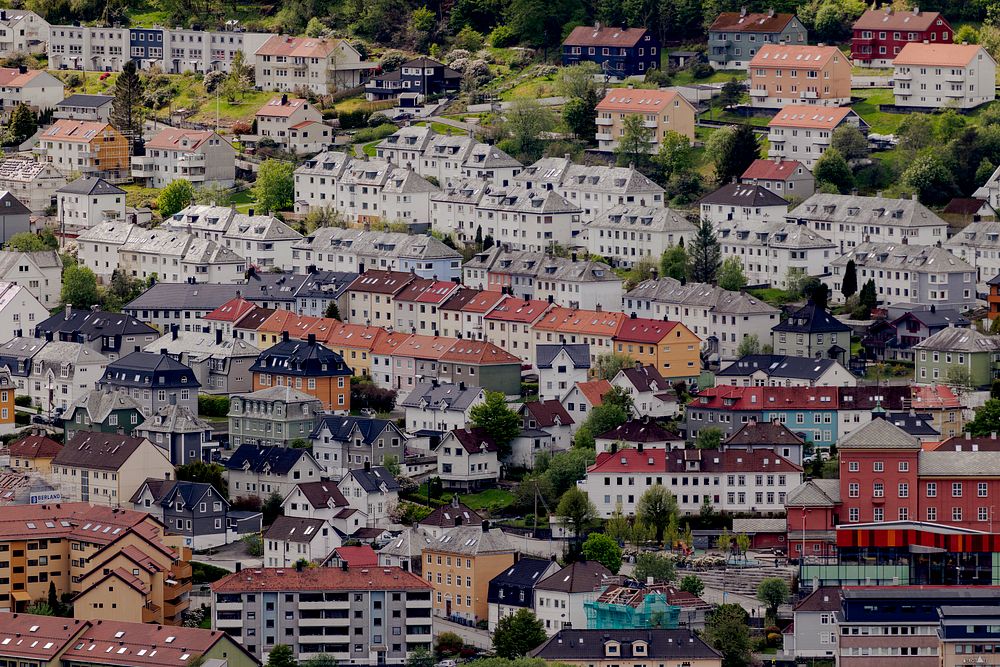
For homebuyers, the situation is equally challenging. They may be unaware of the additional expenses incurred by developers due to poor infrastructure planning. In communities with bad roads, open gutters, stagnant water, uncollected waste, and commercial activities operating without control, the surrounding environment can significantly reduce the perceived value of a property.
This mismatch between the developer's calculated selling price and the buyer's perceived value can lead to prolonged vacancies, not because of overpricing, but because the environment undermines the property's worth.
Poor road conditions can exacerbate these issues. Inadequate road quality can increase travel time, damage vehicles, and hinder the efficient operation of emergency services, refuse trucks, and water tankers. Developers may have to invest their own resources to maintain roads for material delivery, and higher transport charges can be passed onto the final house price.
Additionally, inadequate drainage and sanitation systems can further degrade a community's appeal. Ghana's reactive approach to drainage often results in unprepared land that is later sold or encroached upon, leading to complications when structures sit in waterways, making removal or compensation difficult. Similarly, poor sanitation creates an unattractive environment, making it challenging to market even luxury properties when waste is dumped in drains, on undeveloped plots, or along roads.
Written by urgent.news from Adom Online's reporting — not their text. Machine-written — may contain errors; check the original before relying on it.