Fiber optic cables reveal ‘icequakes’ in endangered glaciers
The technology could help create an early-warning system for changes in ice stability.
A new scientific field called distributed acoustic sensing, or DAS, is using fiber optic cables to monitor the environment in unprecedented detail. By analyzing how vibrations scatter light through the cables, scientists can detect a range of events, from volcanic eruptions to footsteps. Last year, researchers laid a cable on the seafloor near a Greenland glacier, providing insight into rapid ice deterioration.
Now, a team in Switzerland has used DAS to study another concerning trend in ice: hydrofracturing, where meltwater seeps deep and creates pressure.
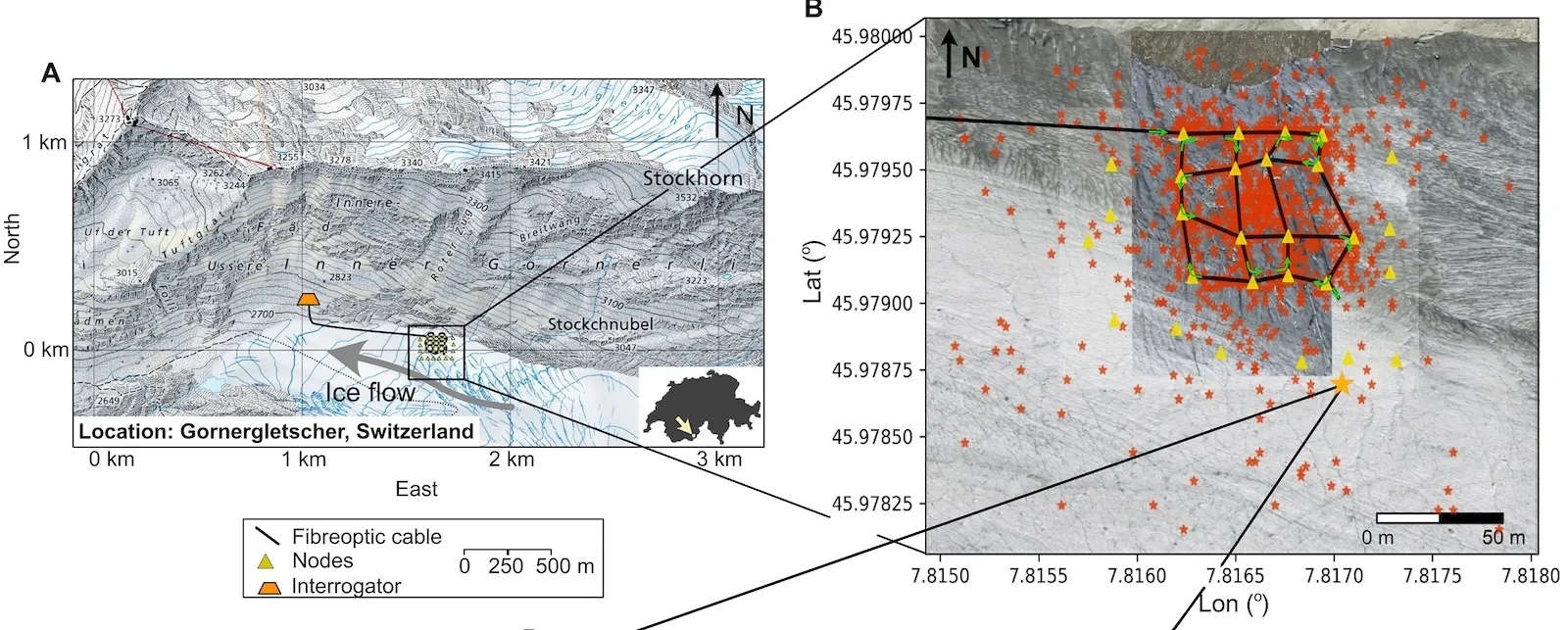
Thomas Hudson, a seismologist at ETH Zurich and lead author of the recent paper, explained that hydrofracturing can potentially cause mass disintegration of ice shelves and ice sheets in places like Antarctica and Greenland. To study this phenomenon, the researchers laid out fiber optic cables in a grid pattern on a Swiss alpine glacier.
Using an interrogator to fire laser pulses through the cables, they were able to detect even the slightest disturbances, allowing them to pinpoint icequakes at different distances along the cable. This level of detail is equivalent to thousands of seismometers, and the cables are also relatively inexpensive, reducing financial risk if something catastrophic happens to the glacier.
Glaciers are dangerous places for scientists to work due to the numerous crevasses, but DAS allows researchers to lay the cables, leave the site, and receive constant real-time data from the interrogator. In this particular study, the team found that the alpine glacier wasn't just threatened by melting from rising air temperatures; the meltwater flowing deep into cracks and forcing the ice apart creates crevasses that compromise the ice's structural integrity.
The depth and number of these cracks are crucial for the glacier's stability, which overhangs critical infrastructure like train lines or villages.
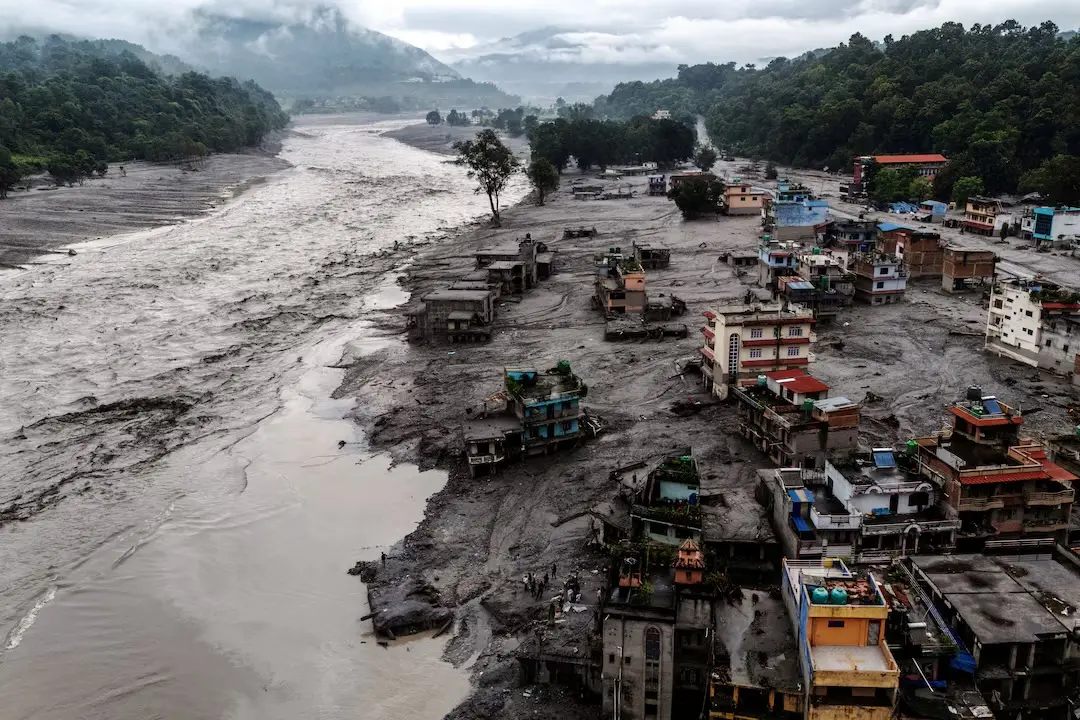
The researchers detected over a thousand icequakes in just a week of fieldwork, indicating that this technology could provide early warning of changes in stability. They also see potential in developing DAS into an early-warning system for catastrophic glacial collapses, similar to what recently happened in Nepal. With more DAS deployments, scientists could monitor glaciers in Greenland and Antarctica, understanding how warming waters and underwater storms contribute to ice shelf instability and subsequent melting. This detailed insight could help predict how fast glaciers might break up and cause sea level rise.
Written by urgent.news from Grist's reporting — not their text. Machine-written — may contain errors; check the original before relying on it.