Energie-Infrastruktur: Sabotageverdacht – Grüne attackieren Dobrindt wegen Schutzlücken
Nach mutmaßlichen Anschlägen auf Energieanlagen werfen die Grünen dem Bund Versäumnisse vor. Tatsächlich fehlen immer noch konkrete Vorgaben für die Betreiber kritischer Infrastruktur.
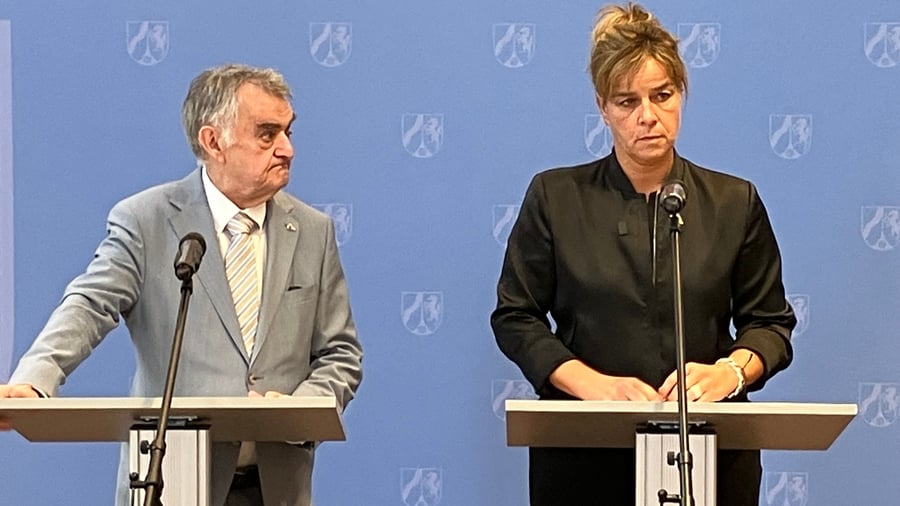
Sabotage allegations have emerged following attacks on energy infrastructure in Brandenburg and North Rhine-Westphalia. While the federal Ministry of the Interior attributes responsibility to the operators, the Greens criticize the federal government for perceived protection gaps and slow implementation of the law safeguarding critical infrastructure.
Recent sabotage incidents have exposed the vulnerability of energy supply. Explosives were found at a substation near the Jänschwalde power plant in Southern Brandenburg. Investigators now suspect that a disturbance at an substation in Bergheim near Cologne was also the result of constitutional sabotage. Unknown perpetrators brought cables across overhead lines, causing a short circuit.
The Ministry of the Interior considers Germany's critical infrastructure generally highly vulnerable. "Due to their societal importance, critical infrastructure is subject to high abstract risk," said a ministry spokesperson. The Ministry holds operators primarily responsible for securing the facilities, with the federal and economic sectors cooperating.
The federal constitutional protection agency raises awareness, including through the "Safety Note for Industry". Regular security briefings provide updates on the risk situation, particularly regarding sabotage. However, the Greens accuse the federal government of many "gaps" in protective regulations. "The federal government has not yet even presented the regulations for the critical infrastructure umbrella law, which should clarify which companies and facilities must take specific measures," said Greens parliamentary leader Irene Mihalic to the Handelsblatt.
The law, which took effect in March 2026, obliges critical infrastructure operators to better protect their facilities against physical and digital threats, including energy and water supply, transport, and healthcare. The details of implementation, such as how operators are expected to defend against drones and what permissible measures exist, have yet to be clarified.
The Ministry spokesperson did not provide a timeline for the remaining legal regulations. They only stated that the federal government is working intensively on implementing the critical infrastructure umbrella law. The law establishes nationwide and cross-industry minimum requirements for the physical protection of critical infrastructure.
This includes provisions for preventing incidents, ensuring uninterrupted operation, and quickly restoring functionality after a failure.
Written by urgent.news from Handelsblatt's reporting — not their text. Machine-written — may contain errors; check the original before relying on it.