Economy won't improve until Australia climbs productivity mountain
For the average Australian, just where we are economically is, at best, confusing; at worst, alarming.
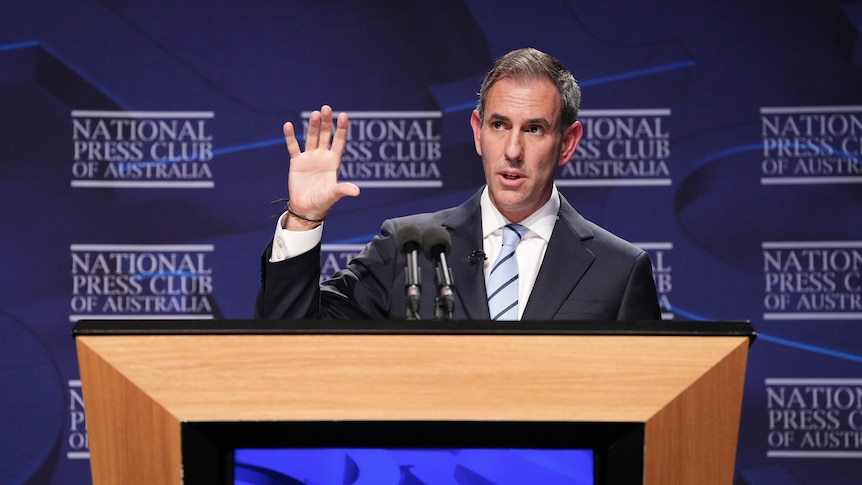
Treasurer Jim Chalmers expressed satisfaction with the latest economic growth figures released this week, which showed a modest increase of 2.1% in the year to June. However, the positive news was quickly overshadowed by a list of economic concerns. Economists quickly revised their forecasts for further interest rate hikes, leaving many Australians confused and concerned about their economic situation.
For the average Australian, the economic outlook has been a source of confusion and alarm. Years of cost-of-living pressures, a 5% decline in real wages since 2021, and the impact of the Middle East conflict have placed additional strain on households. The housing market has become disoriented following the recent government budget's tax changes, and a recent poll found that nearly 60% of Australians believe the country is heading in the wrong direction.
While the government attempts to address these concerns by claiming it is implementing the right policies, the opposition argues that government spending is too high. This growing distrust in both government and opposition messaging has led some frustrated voters to support far-right political parties, such as One Nation.
To gain a clearer understanding of Australia's economic health, this piece consulted two independent economists, Chris Richardson and Saul Eslake. Richardson pointed out that Australia's economy has been growing primarily due to population growth, as measured by a 1% increase in per-hour-worked output over the past decade. However, this growth is deemed "depressingly weak."
Inflation has proven stubbornly high, currently sitting at around 3.5%, well above the central bank's target of 2.5%. Despite the recent slowdown in the economy, inflation remains elevated, a situation exacerbated by the combination of weak growth and lingering inflation. Richardson predicts that the RBA will likely raise interest rates just once more in the near future, with subsequent cuts possible next year, contingent upon the economy's continued poor performance.
Eslake offered a more optimistic view, stating that Australia's economy is currently growing at about 2% annually, primarily driven by population growth. Of this growth, around 1.5% is due to per capita real GDP growth, representing an improvement in living standards. The RBA's interest rate increases and the government's tax changes have contributed to a decline in housing prices, but Eslake stresses that such measures alone cannot fix the nation's housing market. Instead, substantial local government support for increased building is necessary.
Eslake emphasized that the root cause of Australia's economic issues is the lack of productivity growth, which has hit a new low of -0.2% over the past year. This poor performance has set a low "speed limit" for economic growth, which, coupled with the current inflation rate, suggests it will be challenging to achieve more than 2% annual growth without triggering high inflation. The economists agree that Australia urgently needs to address its productivity challenges to achieve sustainable economic growth.
Written by urgent.news from ABC News AU's reporting — not their text. Machine-written — may contain errors; check the original before relying on it.
Also reported by 1 other outlet
- Bathla’s collapse is symptomatic of Australia’s Ponzi economy macrobusiness.com.au