Ebola outbreak underscores food insecurity crisis in DRC
The recent Ebola outbreak caused by the Bundibugyo strain of the virus has reportedly claimed more than 3,000 lives, and more than twice as many reported cases, in the Democratic Republic of Congo, according to the U.S. Centers for Disease Control and Prevention. At the same time, analysts warn that roughly 26 million people across […]
A recent Ebola outbreak, caused by the Bundibugyo strain of the virus, has claimed over 3,000 lives and caused more than 2,000 reported cases in the Democratic Republic of Congo (DRC), according to the U.S. Centers for Disease Control and Prevention. Analysts warn that roughly 26 million people across the region are facing a food insecurity crisis, a situation that complicates both the spread and severity of the virus.
Tedros Adhanom Ghebreyesus, director-general of the World Health Organization, stated that "hunger and disease are old companions," emphasizing that people weakened by hunger are more susceptible to infections. Ebola weakens the immune system, making it harder for the body to combat the disease and recover after infection. Adequate nutrition can bolster the immune system response and enhance the effectiveness of medications, leading to faster recovery.
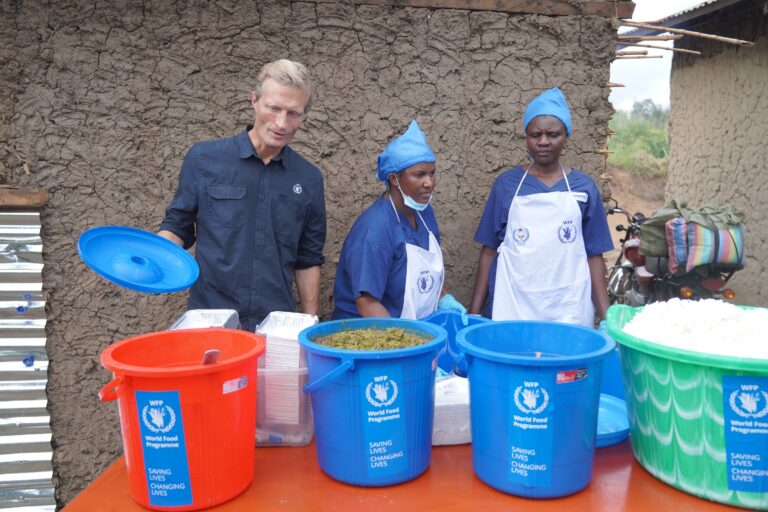
Grace Kwakezime Mongame, an emergency nutritionist at the World Food Programme (WFP) in DRC, explained to Mongabay that a lack of reliable food may force individuals out of their homes, potentially spreading or contracting the disease from others in the community. The WFP provides food to patients' families, particularly dependent children, enabling the sick to rest and recover without leaving isolation to care for their dependents.
The need for food extends beyond the immediate crisis, as it also plays a crucial role in preventing further transmission of the disease.
Written by urgent.news from Mongabay's reporting — not their text. Machine-written — may contain errors; check the original before relying on it.