During Nepal floods, decentralized, community-based warning saved lives
KATHMANDU — At 9:10 a.m. on Aug. 26, head teacher Rajendra Dawadi received frantic phone calls about a flood heading downstream toward Tribhuvan Trishuli Secondary School. He ordered his roughly 900 students to run for higher ground. Ten minutes later, the flood hit the evacuated school. When flood waters receded, the whole compound was buried […]
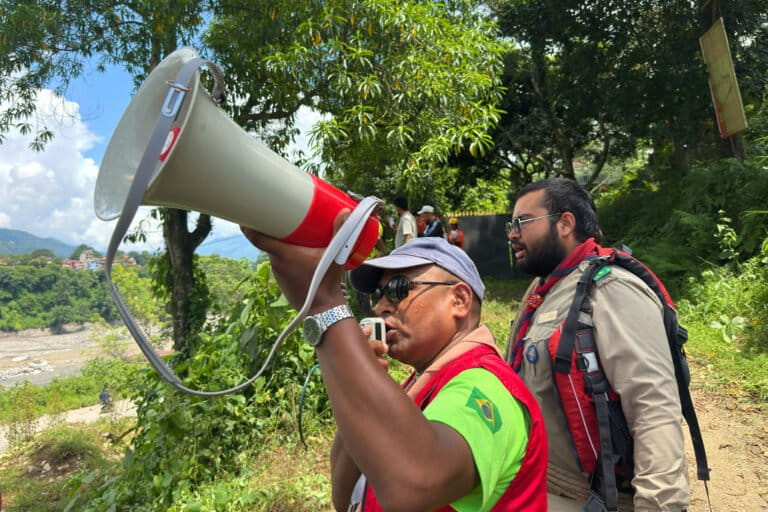
KATHMANDU — During a flood that struck on August 26, head teacher Rajendra Dawadi of Tribhuvan Trishuli Secondary School received urgent phone calls warning of an approaching disaster. Dawadi promptly instructed his 900 students to flee to higher ground. Ten minutes after the evacuation, the floodwaters arrived, inundating the entire school compound and leaving behind only a small portion of the roof.
The incident serves as a testament to the effectiveness of two warning systems deployed that day: one operated by the state utilizing sensors and SMS alerts, and the other rooted in community ties. While the state system proved unreliable, the community-based approach proved to be a lifesaver, arriving before the former. However, not everyone was as fortunate.
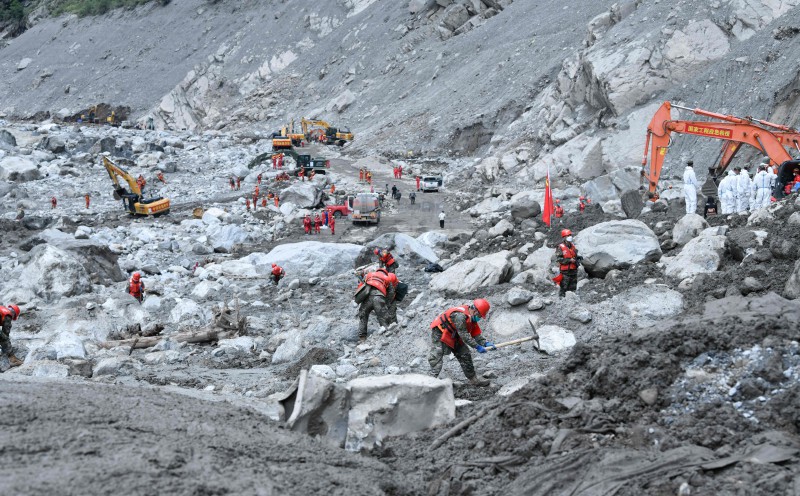
As of September 3, the National Disaster Risk Reduction and Management Authority (NDRRMA) reported a staggering death toll of 1,252, with 4,216 missing and approximately 1.6 million people affected across five districts in Nepal. Head teacher Rajendra Dawadi recounted his harrowing experience while speaking on his mobile phone in Trishuli Valley.
Researcher Bhuwan KC noted that while one-half of the corridor upstream received no warning information at all, the other half had information but it was insufficient to convey the urgency and scale of the impending catastrophe. In areas closest to the border, on both sides of Nepal and China, the situation unfolded within a mere seven minutes.
The sensors failed immediately in these regions, whereas further downstream in places like Trishuli Bazaar, Betrawati, Muglin, and Devghat, communities managed to stay ahead of the calamity.
Written by urgent.news from Mongabay's reporting — not their text. Machine-written — may contain errors; check the original before relying on it.
This story
This is one outlet's version. Read the fullest account.
- Nepal rejects foreign rescue teams, accepts aid after deadly disaster thevibes.com
- Nepal to rebuild landslide warning system after floods rte.ie
- Nepal floods highlight growing threat of unpredictable Himalayan hazards mg.co.za
- Trump shut down project to track landslides in Nepal year before deadly floods came: Report hindustantimes.com
- 'Nothing but mud and silt' - the village swept away by deadly floods in Nepal bbc.co.uk
- [Reportage] ‘Evacuate!’: Missing worker’s warning saved coworkers from Nepal floods hani.co.kr