DOE steps up patrols amid worsening haze crisis, warns landowners against open burning
KUALA LUMPUR, Sept 3 — The Department of Environment (DOE) will continue to step up monitoring to ensure that no a...
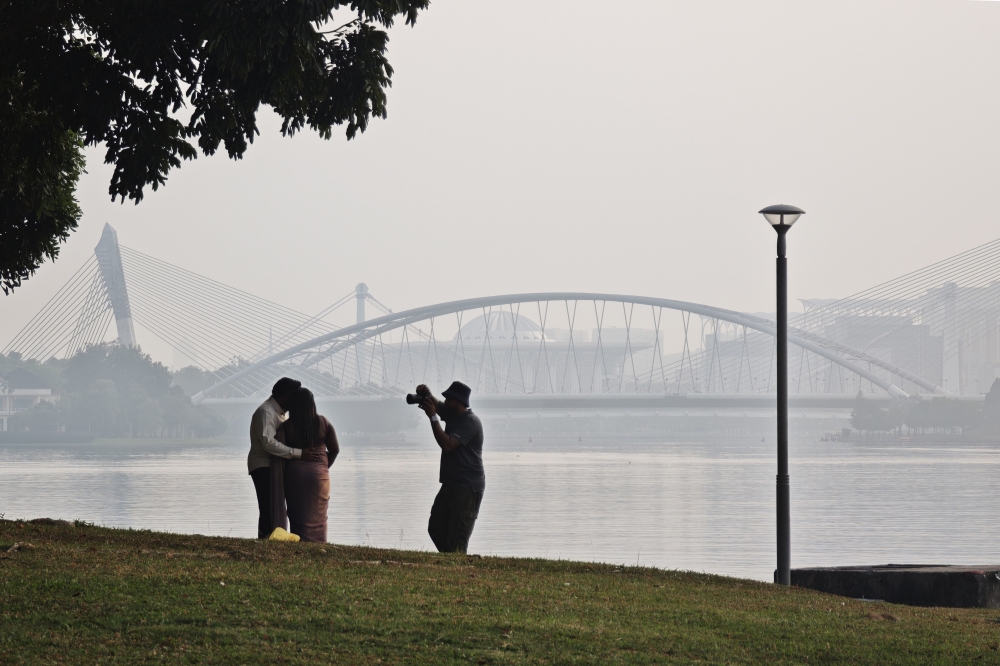
KUALA LUMPUR, Sept 3 — In response to the deteriorating haze crisis, the Department of Environment (DOE) has ramped up patrols and monitoring efforts across the nation. Director Rosli Zul of the DOE's Enforcement Division disclosed that officers are diligently conducting inspections, focusing on open burning at various locations, such as residences, plantations, and industrial sites, including charcoal burning for energy production and quarry blasting.
The DOE is also issuing notices to landowners and plantation owners, urging them to take responsibility for preventing any actions that may exacerbate the Air Pollutant Index (API).
The monitoring team relies on satellite images to detect hotspots and promptly reports any detected fires to the Malaysian Fire and Rescue Department (JBPM) for immediate suppression. Rosli emphasized that motor vehicle traffic significantly impacts air quality. He suggested that using public transportation when possible can help reduce reliance on private vehicles, thereby mitigating the issue.
The DOE maintains a network of 68 monitoring stations nationwide, providing real-time air quality data to the public. Two locations in Sarawak currently exhibit hazardous API levels: Serian District Police Headquarters at 325 and Kuching at 309. Additionally, five districts in Sarawak have been flagged as having very unhealthy API levels: Samarahan (287), Sarikei (256), Sibu (248), Sri Aman (247), and Mukah (205).
In total, 16 stations report unhealthy API readings, with Bintulu leading at 192, followed by Kapit (190), Kota Kinabalu Polytechnic (178), Keningau (175), Kota Kinabalu (173), Labuan (173), Samalaju (172), Kimanis (171), ILP Miri (170), Limbang (169), Miri (166), Johan Setia (159), Putrajaya (151), Nilai (151), Sandakan (136), and Seremban (109).
Written by urgent.news from Malay Mail's reporting — not their text. Machine-written — may contain errors; check the original before relying on it.