CONSUMER TRENDS: Kasinomics — Competition Commission casts new light on SA’s township economy
There’s a notion that the informal rural and township economy is the most lucrative in the land. This Competition Commission report says it’s by volume only.
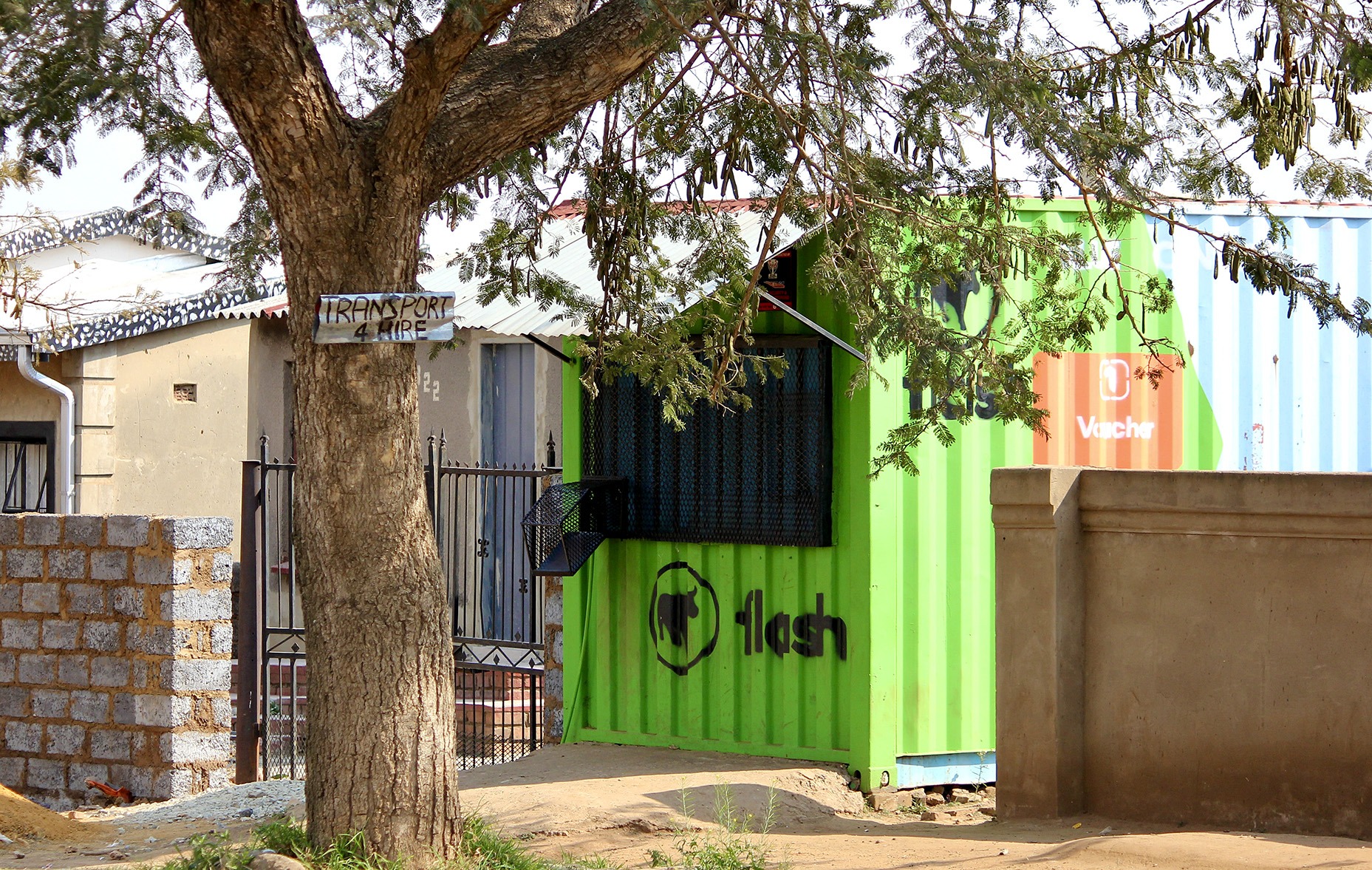
South Africa's township economy has long been seen as a lucrative and self-contained system, but a new Competition Commission report challenges this notion. The report reveals that roughly 50% of rural and township households spend their money outside their local economy, highlighting a significant spatial leakage. This leakage primarily occurs with essential goods, indicating a supply-side failure in the informal rural and township economy.
The report specifies that minibus taxis are the main mode of transport for purchasing food, banking, financial services, phones, electronics, building and hardware, pharmacy services, and medical services, which directly inflates household shopping costs and the broader cost of living. The Competition Commission's report suggests that shops like Shoprite and Pick n Pay's refillable individual volume initiative could help close this gap by bringing down prices and encouraging consumers to spend more within their local economy.
Despite the perception that independent spaza shops act as strong competitors to major supermarket chains, the Competition Commission's survey reveals that only a small percentage of consumers actually switch to these stores due to quality and variety concerns. The report also emphasizes the barriers faced by township SMEs in relocating to formal marketplaces, such as high rental costs and zoning restrictions.
These factors contribute to the persistent financial struggles of young South Africans, with 82% receiving less than R6,000 monthly and 35% turning to risky survival strategies, including gambling on digital scams.
Written by urgent.news from Daily Maverick's reporting — not their text. Machine-written — may contain errors; check the original before relying on it.