Chasing a perfect sleep score? You could be making it worse
The things you're doing to make your sleep better could actually be making your sleep worse.
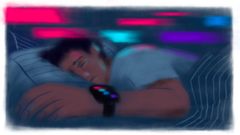
In recent years, the pursuit of a perfect sleep score has become a growing concern, leading to a phenomenon called "sleepmaxxing." This obsessive behavior can result in orthosomnia, a condition characterized by an unhealthy fixation on attaining the ideal sleep. Although not officially recognized in the UK, doctors have observed signs of orthosomnia among their patients, with some bringing their sleep tracker data to appointments, believing falsely that they have a sleep disorder.
This fixation on sleep actually exacerbates the very problem it aims to solve, as it can cause anxiety and worsen sleep quality. The introduction of sleep trackers, such as those from Fitbit, Garmin, and Apple, has made it easier than ever to monitor sleep patterns, but the concept of a sleep score is merely a manufactured metric with no scientific basis.
Dr. Alanna Hare, a sleep medicine consultant, warns that these trackers can fuel patient anxiety, as even patients with reassuring medical test results remain preoccupied with their sleep data. Experts argue that the idea of perfecting sleep through technology is flawed, as sleep cannot be optimized using devices that only measure movement.
Instead, they recommend a simpler approach: maintaining a cool, dark, and quiet environment; exposing oneself to natural morning light to regulate the circadian rhythm; engaging in light exercise; and adopting a healthy Mediterranean-style diet.
Written by urgent.news from BBC Health's reporting — not their text. Machine-written — may contain errors; check the original before relying on it.