BOOK REVIEW: Is democracy Africa’s path to development? Jakkie Cilliers isn’t so sure
In his latest book, Institute for Security Studies founder Jakkie Cilliers challenges assumptions on whether democracy and the demographic dividend will lead to development in Africa.
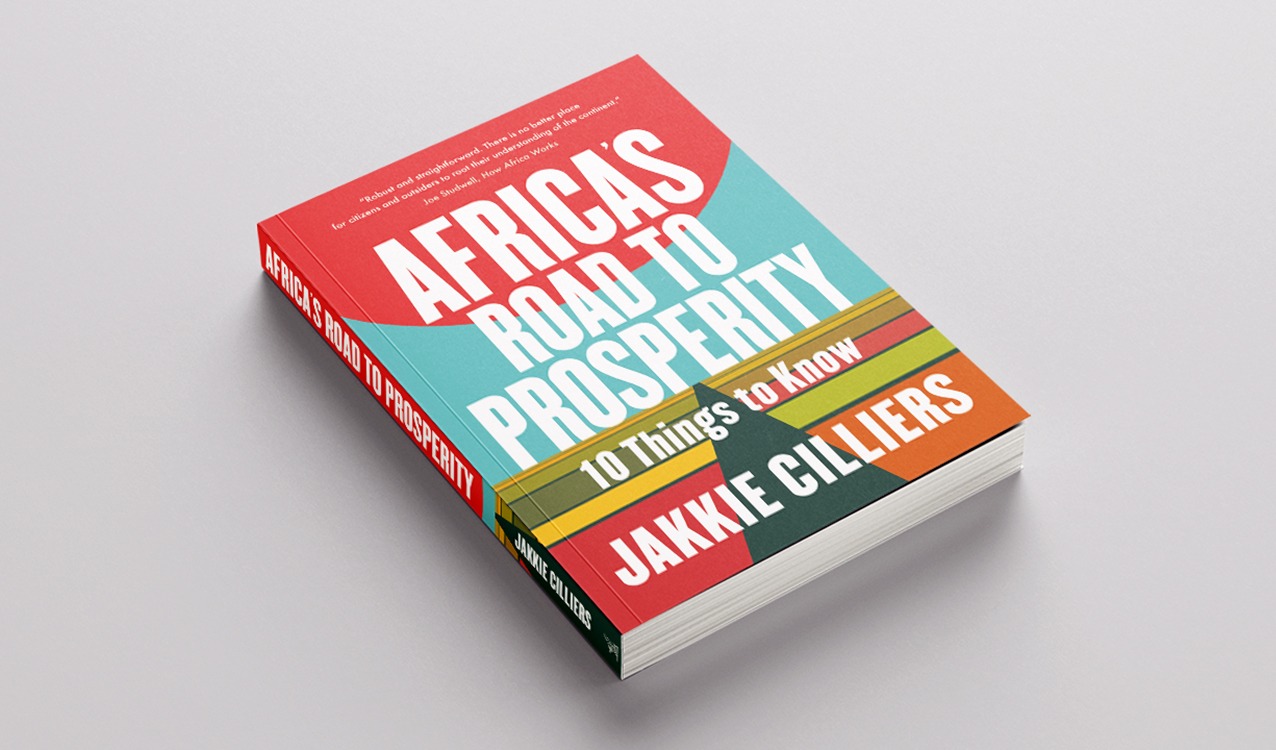
In his latest book, Africa's Road to Prosperity: 10 Things to Know, Jakkie Cilliers, founder of the Institute for Security Studies (ISS), challenges the notion that democracy is the key to Africa's development. Cilliers argues that for fragile post-conflict states like Somalia and South Sudan, competitive politics can undermine the progress made in ending violence, as politicians often use ethnicity or religion to rally electoral support.
Instead, he suggests that low-income African countries should prioritize stability, control over their territories, and strong institutions before gradually strengthening democracy. Cilliers acknowledges the dilemma that authoritarian growth models are risky and often unsustainable, as they depend heavily on individual leaders rather than durable institutions.
However, he also questions whether demography is truly the "master variable" in determining a country's developmental performance, arguing that Africa's large, rapidly growing population may not be as advantageous as many believe. He contends that the continent's young population presents a challenge, as it creates a high proportion of young dependents for every worker, and that the demographic dividend will only be realized when the median age reaches 25.5 years, allowing for a larger working-age population relative to dependents.
Cilliers identifies several geriatric leaders holding power in Africa, such as Cameroon's President Paul Biya, who has been in power since 1982 and plans to serve another term at the age of 100. He criticizes the resistance to reform among these leaders, particularly the preservation of communal land ownership, which hinders private land ownership and development.
Cilliers emphasizes the need for job creation as a key principle in economic strategy, as Africa's working-age population is projected to exceed 1.6 billion by 2050. He advocates for rebuilding manufacturing and expanding high-growth, tradable sectors like tourism, agro-processing, horticulture, and ICT-enabled services to generate the necessary jobs.
Cilliers also stresses the importance of the African Continental Free Trade Area (AfCFTA) as a potential catalyst for economic growth by creating a large market for investment and the processing of critical minerals.
Written by urgent.news from Daily Maverick's reporting — not their text. Machine-written — may contain errors; check the original before relying on it.