Asian currencies rise as yen surges toward 158, intervention risk returns
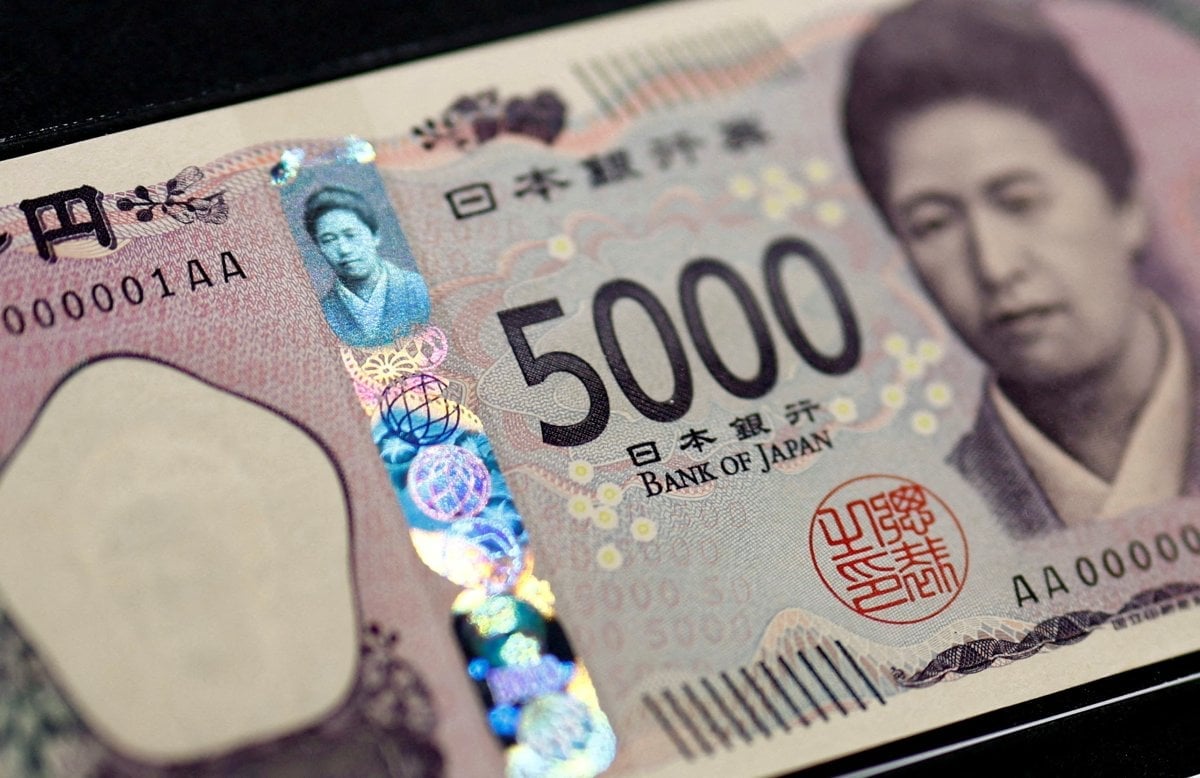
Asian currencies gained strength against the dollar on Thursday, as the Japanese yen approached 158 per dollar, prompting traders to remain vigilant for potential intervention before the Bank of Japan’s policy meeting later in the month. The yen's USD/JPY pair dropped 0.6% to 157.81, after peaking at 157.95 intraday, extending a 0.9% gain overnight.
BOJ board member Hajime Takata hinted at a 25-basis-point rate hike, though a subsequent increase remained a possibility. Market sentiment favored a significant September rate hike, with the probability of a 50-basis-point increase rising slightly, compared to an initial 90% probability for a 25-basis-point hike. Japanese Finance Minister Satsuki Katayama and U.S. Treasury Secretary Scott Bessent expressed readiness for intervention if necessary.
The BOJ meeting’s timing also drew attention, as thinner trading post the September 18 decision could potentially amplify the impact of any intervention. The U.S. dollar index fell 0.1% to 99.43, still buoyed by expectations of a Federal Reserve hike in September. Markets priced a 61% chance of a rate move, with the upcoming U.S. nonfarm payrolls report serving as a critical gauge.
Hawkish comments from the Fed further pressured global bonds, while renewed U.S.-Iran tensions around the Strait of Hormuz added to inflation risks. The conflict led to a spike in oil prices, potentially contributing to consumer inflation and complicating central banks' decisions on rate cuts. Meanwhile, the USD/AUD pair remained flat at 1.40, leaving the Australian dollar slightly weakened near $0.72.
Australia's economy expanded 0.4% in the June quarter and 2.1% year-on-year, surpassing expectations for 1.8% annual growth. Trade data bolstered the outlook, with Australia recording a A$1.923 billion trade surplus in July, matching expectations and exceeding forecasts for A$1.39 billion. The USD/NZD pair declined around 0.2%, suggesting a stronger kiwi at approximately $0.59, following a 0.67% drop in the currency after the Reserve Bank of New Zealand's accommodative rate hike.
The USD/INR pair slipped 0.8% to 94.237, reflecting the rupee's recovery, as $127.23 billion in foreign-currency non-resident deposits bolstered the Reserve Bank of India's capacity to support the currency. The USD/KRW pair remained relatively stable, while the USD/SGD pair fell 0.1%. The USD/MYR pair decreased 0.09% to 4.0395, as markets anticipated the Bank Negara Malaysia's rate decision later on Thursday. The central bank was expected to maintain its Overnight Policy Rate at 2.75%.
Written by urgent.news from Investing.com's reporting — not their text. Machine-written — may contain errors; check the original before relying on it.