As AI reaches rural India, health workers are putting it to the test
From screening for tuberculosis to monitoring newborns, AI is reaching rural India amid healthcare workforce shortages. But scaling it means fitting the technology into already stretched workers’ routines.
AI is reaching rural India as healthcare workers test its capabilities amid workforce shortages. Panthula Uha, a community healthcare worker in Andhra Pradesh, started using an AI app called Swaasa to detect tuberculosis in asymptomatic villagers by having them cough into their smartphones. The technology identified patients who would have otherwise gone undiagnosed, such as 73-year-old T Gowramma, who experienced ease during her cough-based testing.
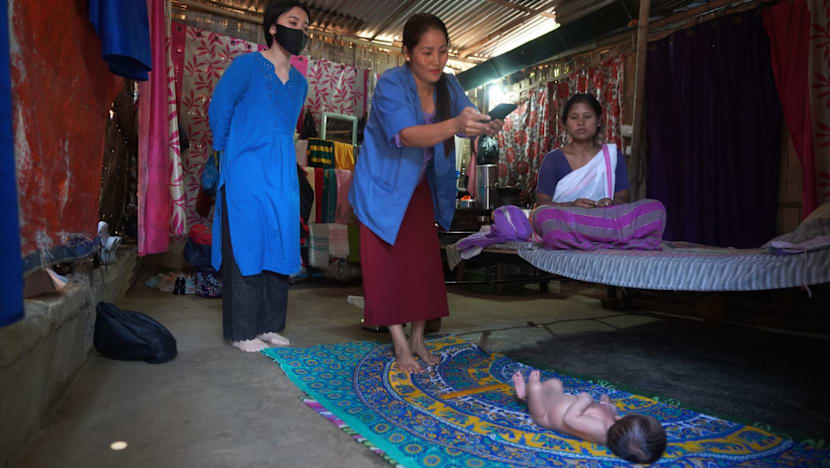
Shishu Maapan is another AI tool assisting newborn monitoring in rural areas. Health workers like Jyotsna Patel record a 30-second video of a baby's weight, height, and head circumference, which the app analyzes to track their growth. Initially met with skepticism, mothers now embrace the smartphone-based method, with tracked data syncing to state systems.
These AI innovations target India's approximately 1.02 million ASHA workers, who are already burdened with numerous responsibilities like maternal and child health, immunization, and TB screening. For effective implementation, AI must be tailored to seamlessly integrate with their existing routines, enhancing rather than overwhelming their workload.
Written by urgent.news from Channel News Asia's reporting — not their text. Machine-written — may contain errors; check the original before relying on it.