Ancient “living fossils” may reveal how complex life began
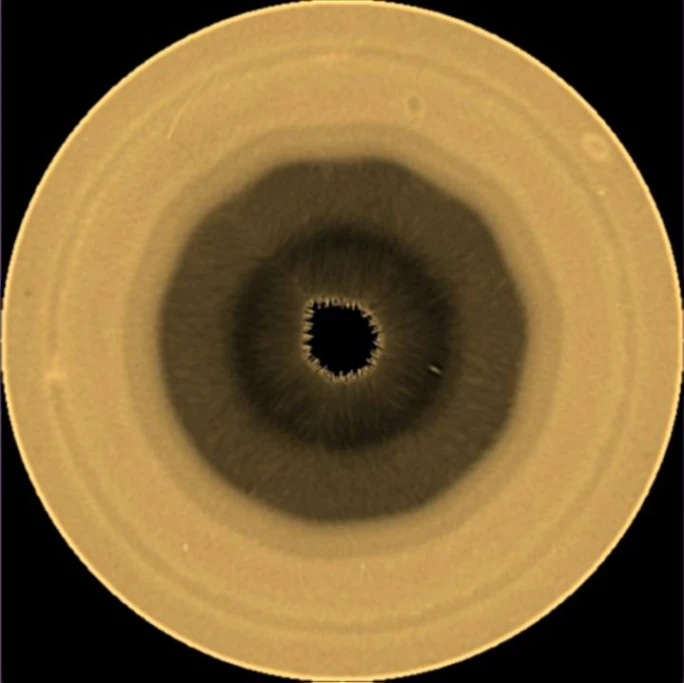
A newly discovered microbe living inside ancient stromatolite communities may offer a rare look at how complex life first emerged. Researchers captured the first direct images of an Asgard archaeon physically connected to a bacterium, with the two microbes appearing to exchange nutrients and other compounds. Scientists think similar partnerships billions of years ago may have helped produce the…
A team of researchers from UNSW Sydney, University of Technology Sydney, and The University of Melbourne have discovered a previously unknown microbe living within an ancient formation called stromatolites. These microorganisms, known as Asgard archaea, could hold the key to understanding how complex life emerged on Earth. Stromatolites have been around for billions of years and were responsible for releasing some of the earliest oxygen into the atmosphere.
The discovery of Asgard archaea in close association with other organisms within stromatolites could provide insights into the formation of eukaryotes, the cells that make up plants, animals, and humans. The team used advanced imaging techniques to observe the archaeon and bacterium connected by bacterial nanotubes, indicating a close partnership.
This evidence supports the theory that early eukaryotic cells may have developed through an intimate relationship between an archaeon and a bacterium, which eventually led to the formation of mitochondria. The researchers named the newly identified microbe Nerearchaeum marumarumayae, combining references to the ancient Greek sea god Nereus and the Malgana word for ancient home.
The name was chosen with input from Malgana elders, recognizing the traditional connection between the people of central Shark Bay and their land.
Written by urgent.news from ScienceDaily's reporting — not their text. Machine-written — may contain errors; check the original before relying on it.