Analysis-Chinese e-commerce moves to next phase after delivery price war changes shopping habits
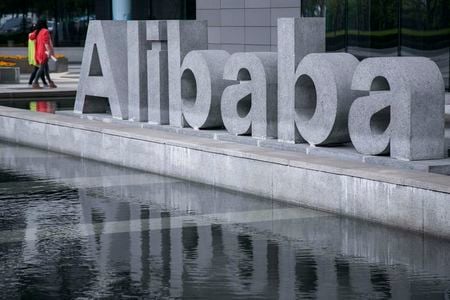
China’s e-commerce market has transitioned to a new phase following a delivery price war that altered consumer shopping habits. While meal-delivery subsidies subsided, the lasting impact is a shift in consumer expectations, with electronics, flowers, and even medicine now delivered within an hour of ordering. The largest electronics, online retail and technology companies spent billions on incentives, leading to a new battleground in online shopping: instant retail.
Companies invested heavily in coupons, free delivery, and merchant incentives, but analysts believe the bigger bet was on changing shopping habits, particularly in large cities, where consumers now expect goods to arrive within 60 minutes. While drink and meal delivery brought frequent app visits, the real opportunity lies in converting those visits into purchases of higher-margin non-food items.
Quick commerce has fundamentally changed consumer expectations around convenience and reliability, with Meituan CFO Shaohui Chen stating it is an irreversible lifestyle shift. The instant-retail market is projected to be worth 1.2 trillion yuan ($178 billion) by year-end and grow at an average annual rate of 12.6% through 2030, according to Ministry of Commerce research.
Beijing resident Jiang Yanxin recently ordered a Niu Lai doll for use during a lunch meeting with friends, and by the time she arrived at the restaurant, a courier had delivered the item. Big-city consumers have grown accustomed to using instant retail services, says analyst Ed Sander at China Digital Retail Report. Platforms are now focusing on winning the instant retail market, as it could cannibalize traditional channels.
The government intervened to curb competition, imposing penalties on companies for meal delivery safety violations. The competition among platforms ended after government intervention, benefiting consumers but causing damage to small restaurant operators. The subsidy blitz reshaped the competitive landscape, and it remains unclear who will be the long-term winner.
In April, Goldman Sachs reported a drop in Meituan's meal-delivery market share from 75% to 80%. The meal-delivery market is now considered part of the instant retail sector, with Meituan commanding 45.3% of the market, followed by Alibaba's Taobao Instant Commerce at 45.7% and JD.com at 7.7%. Platforms have switched focus from subsidies to retaining users and expanding supply through logistics infrastructure, building supermarkets, opening dark stores, and setting up super-fast lightning warehouses in densely populated areas to fulfill orders within an hour.
Written by urgent.news from Investing.com's reporting — not their text. Machine-written — may contain errors; check the original before relying on it.