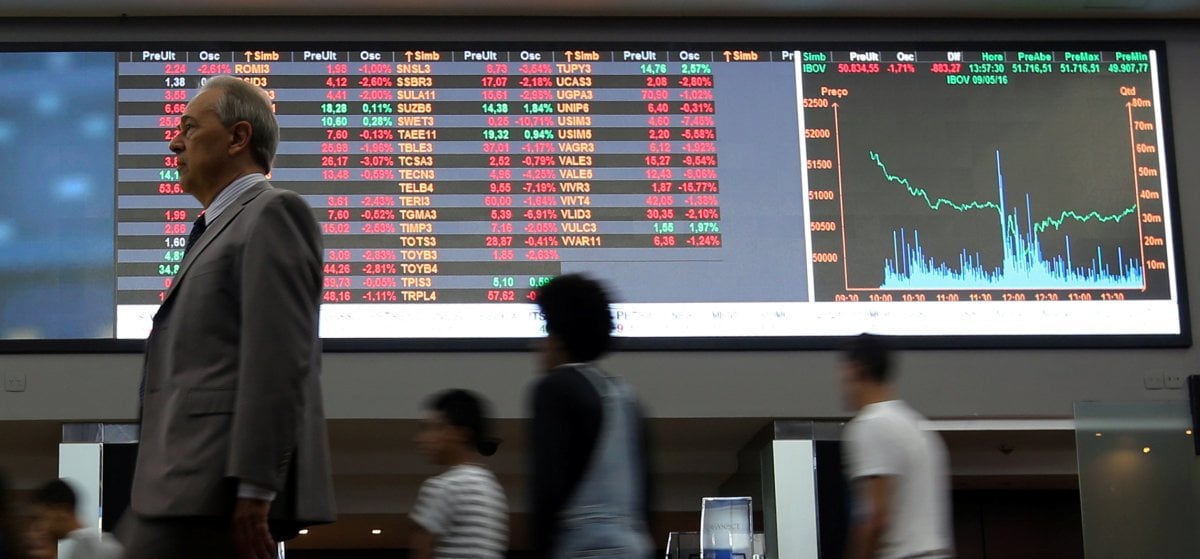
Analysis: Can Icomex make Indonesia a commodity price maker?
The country is seeking to move from being a major commodity producer and global price taker to becoming a price maker through the planned Indonesian Commodity Exchange (Icomex). Yet a similar platform, the Indonesia Commodity & Derivatives Exchange (ICDX), has operated for nearly two decades without gaining significant influence over global markets.
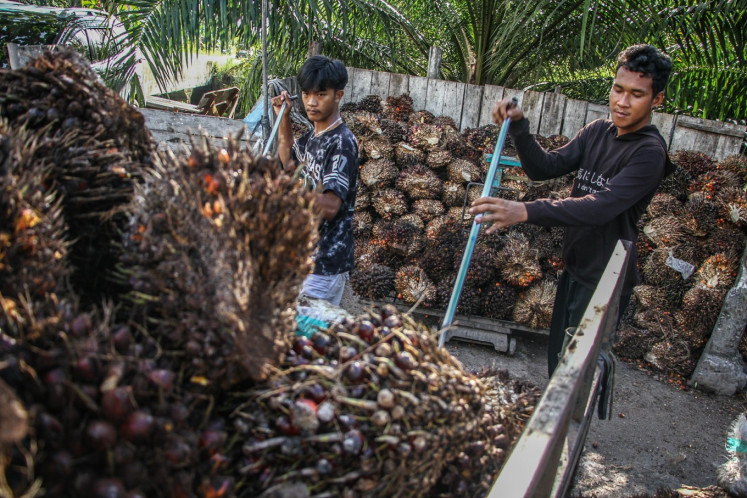
Indonesia aims to transition from a major commodity producer and price taker to a price maker through the planned Indonesian Commodity Exchange (Icomex). However, the success of this initiative remains uncertain, given that a similar platform, the Indonesia Commodity & Derivatives Exchange (ICDX), has struggled to influence global markets for nearly two decades.
Icomex is set to launch on January 1, 2027, with the goal of establishing Indonesia Reference Prices for key commodities like crude palm oil, nickel, tin, and coal. President Prabowo Subianto believes that Indonesia should not rely on overseas exchanges for price benchmarks. The exchange, supervised by the Financial Services Authority (OJK), is expected to enhance domestic markets, price transparency, and governance, while mitigating issues such as transfer pricing and under-invoicing.
Developed in collaboration with OJK, state asset fund Danantara, and the Mineral Industry Agency (BIM), Icomex will leverage clearing arrangements similar to those in capital markets. While Danantara views the exchange as a tool for improving transparency and accountability, its role is distinct from that of PT Danantara Sumberdaya Indonesia (DSI), which focuses on export monitoring for coal, crude palm oil, and ferroalloys.
The relationship between Icomex and ICDX is particularly noteworthy, as both aim to strengthen Indonesia’s commodity sovereignty. ICDX supports the establishment of Icomex, arguing that it advances national interests in commodity trading. However, ICDX’s limited CPO trading volumes, dominated by business-to-business arrangements, indicate that Icomex's success hinges on more than just regulatory compliance.
The exchange's transaction mechanisms, market incentives, and reference prices must align with international benchmarks to challenge existing global prices.
Written by urgent.news from The Jakarta Post's reporting — not their text. Machine-written — may contain errors; check the original before relying on it.