AMCHAM Calls for Predictable Healthcare Policy Action in Korea
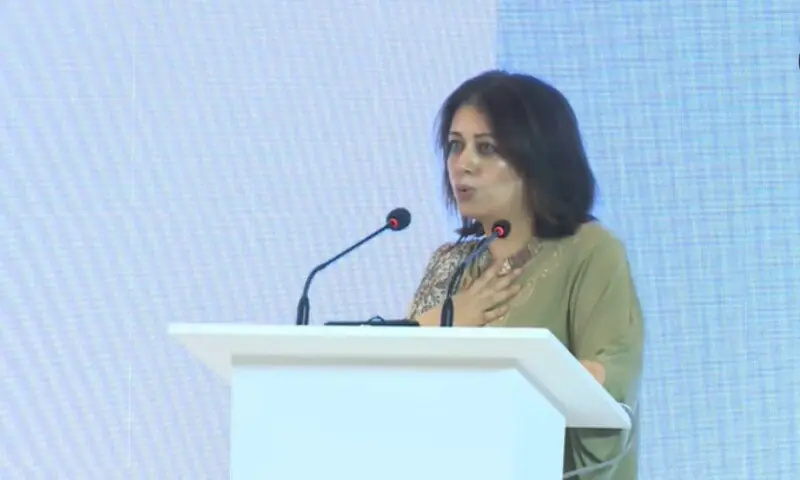
The American Chamber of Commerce in Korea (AMCHAM) hosted its 17th Healthcare Innovation Seminar at Hotel Shilla Seoul on Sept. 3, bringing together approximately 150 senior government officials, business leaders, and healthcare experts from South Korea and the United States to advance practical dia
The American Chamber of Commerce in Korea (AMCHAM) organized its 17th Healthcare Innovation Seminar at Hotel Shilla Seoul on September 3, convening around 150 senior government officials, business leaders, and healthcare experts from South Korea and the United States. The event aimed to foster practical discussions on healthcare innovation and policy under the theme "From Reform to Execution: Building a Predictable Healthcare Innovation Ecosystem."
The seminar assessed how South Korea could transform healthcare reform into beneficial results for patients, innovation, and investment, focusing on policy implementation, alignment with global standards, and an innovation-friendly regulatory environment to boost the nation's attractiveness for global healthcare investment. The seminar's agenda was structured around three primary policy priorities: successful execution of pharmaceutical pricing reforms introduced by the Ministry of Health and Welfare in late 2025, enhancement of Korea's vaccine ecosystem, and formulation of effective policy frameworks for AI-enabled healthcare and precision medicine.
Throughout the seminar, attendees deliberated on necessary policy adjustments and public-private collaborations to broaden patient access, acknowledge innovation value, hasten the adoption of advanced medical technologies, and enhance Korea's enduring healthcare competitiveness. AMCHAM Chairman & CEO James Kim highlighted that while South Korea has achieved significant progress in healthcare reform, the focus should now lie in converting that progress into tangible outcomes through predictable and transparent implementation that expands patient access and supports ongoing innovation.
James Kim emphasized that pricing reform, vaccines, and AI would be central to shaping the future of healthcare, stating that persistent government-industry dialogue and U.S.-Korea collaboration would create new opportunities for both countries. Key government and legislative participants expressed robust backing for intensifying cross-border collaboration.
In a video message, Lee Man Hee, Chair of the National Assembly’s Health and Welfare Committee, stressed that policies must evolve in tandem with medical breakthroughs, stressing that cross-border cooperation is crucial for achieving tangible results. Kang Cheong Hee, President of the National Health Insurance Service, shared plans to develop a more innovative national health insurance system utilizing AI and data analytics.
Second Vice Minister of Health and Welfare Lee Hyung-hoon outlined government efforts to expedite the reimbursement listing process for rare disease treatments and align regulations with international standards in written remarks. James Heller, Deputy Chief of Mission at the U.S. Embassy in Seoul, underscored the critical role of U.S.-Korea partnership in bolstering health security.
The seminar featured three panel sessions addressing practical measures in the identified priority sectors. During the Pharmaceutical Pricing Reform panel, discussions centered on implementing the government's 2025 pricing reforms to balance patient access, acknowledge the value of innovative medicines, and ensure healthcare financing sustainability.
Panelists included Cho Won Jun from the Democratic Party of Korea, Kang Joonhyuk from the Ministry of Health and Welfare, Christian Rodseth from Johnson & Johnson, and Hye Young Lee from BMS Korea. Lee Man Hee from the National Assembly’s Health and Welfare Committee, in a video message, stressed the need for policies to adapt alongside medical advancements, asserting that cross-border collaboration is indispensable for tangible results.
Kang Cheong Hee, President of the National Health Insurance Service, outlined plans to bolster a more innovative national health insurance system leveraging AI and data analysis. Second Vice Minister of Health and Welfare Lee Hyung-hoon detailed government initiatives to expedite reimbursement listing timelines for rare disease treatments and harmonize regulations with global standards.
Written by urgent.news from BusinessKorea's reporting — not their text. Machine-written — may contain errors; check the original before relying on it.