AI-Guided Hike Ends in Emergency Rescue at 11,000 Feet
ChatGPT can’t climb mountains, but it can give you bad advice on how to do it.
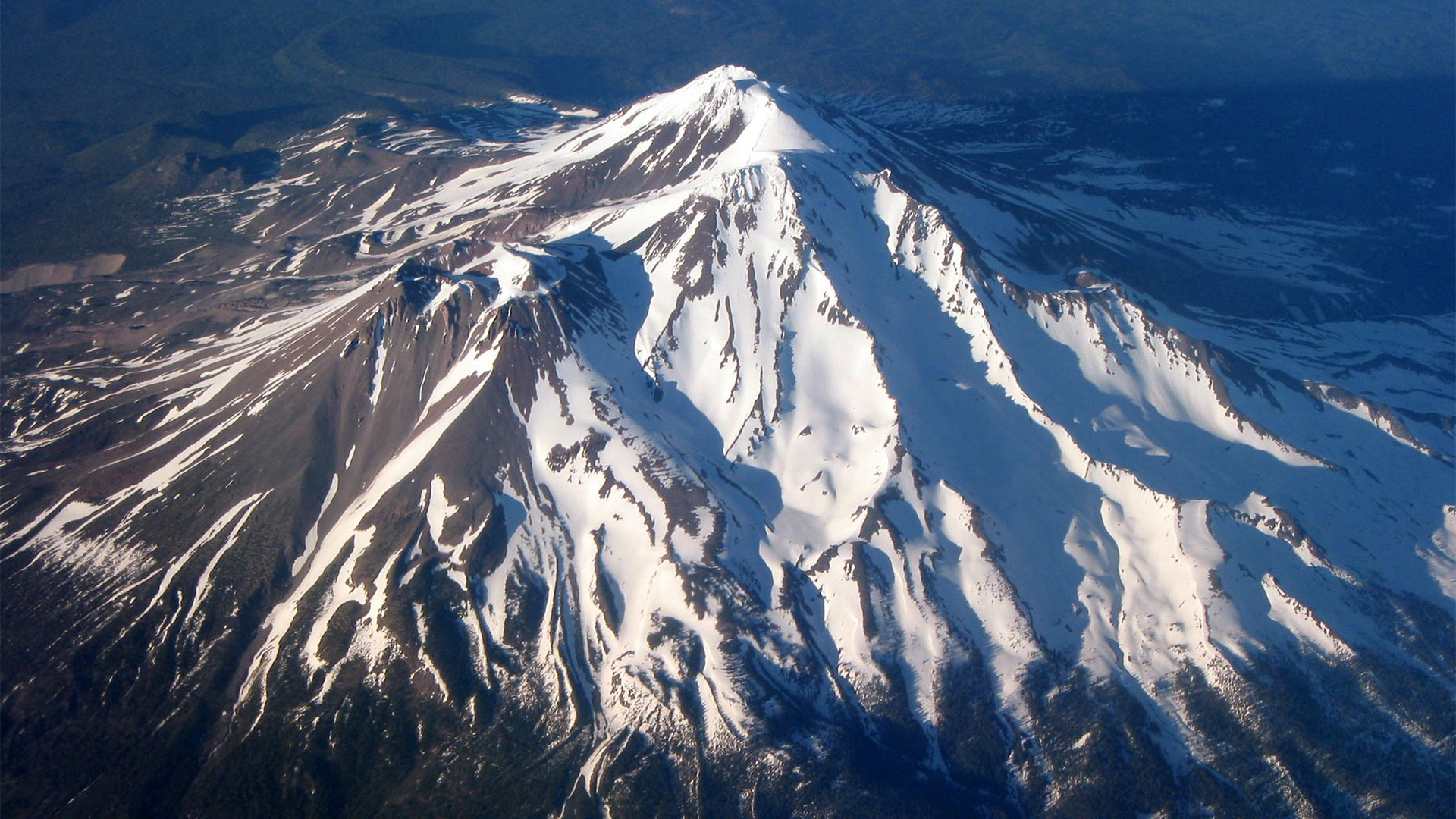
Three climbers embarked on an 8-hour ascent of California's Mount Shasta, but their plans took a disastrous turn when one of them fell and injured their leg. Applying AI-generated advice proved to be a critical misstep, as the group became lost during their descent and required a multiday rescue operation. Using tech tools like YouTube, AllTrails, and Google Gemini AI, the climbers relied heavily on the Gemini AI for route information and packing essentials.
The sheriff's office warned that relying solely on AI for trip planning is a grave error, as it led the climbers to bring far less food and water than required. Phone batteries died, and backup batteries were faulty, leaving the disoriented group without offline maps. The injured hiker navigated in darkness without a headlamp, highlighting their lack of proper gear.
Google is investigating the climbing advice generated by Gemini, which couldn't reproduce the answers received by the climbers. The company acknowledges that Gemini can make mistakes and advises users to verify AI-generated results. While the consequences of AI errors can be minor, they can also be severe, as demonstrated by legal professionals who have jeopardized their careers due to AI-assisted filings.
AI tools predict patterns from unverified web sources, making it essential for users to independently verify any AI-generated advice before relying on it.
Written by urgent.news from CNET's reporting — not their text. Machine-written — may contain errors; check the original before relying on it.