£74m for branded condoms? UK must stop spaffing cash on foreign aid
Labour is plotting to reverse cuts to foreign aid, but the UK's spending history reveals a questionable use of funds, writes Anne Strickland.
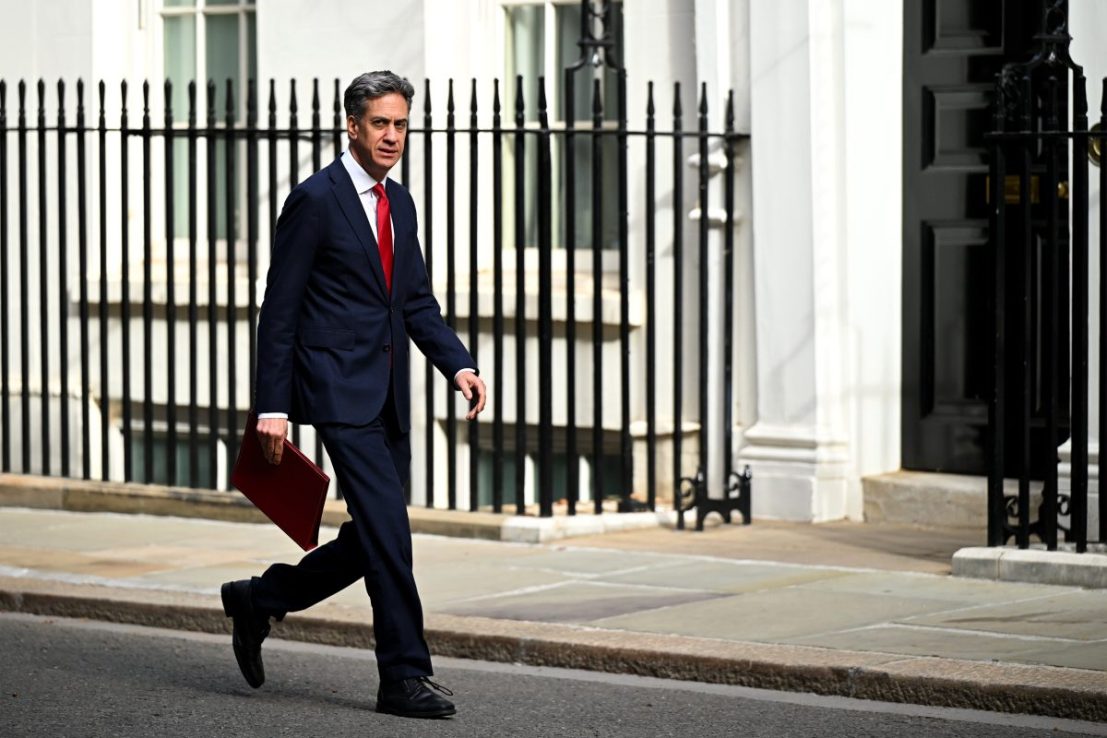
Labour politicians Andy Burnham and Ed Miliband are considering a reversal of recent cuts to foreign aid, aiming to return to spending 0.7% of national income on international assistance. The Institute for Fiscal Studies estimates this commitment would cost around £13 billion annually. However, the UK is already grappling with a record high tax burden, with annual tax revenue exceeding £1.1 trillion.
To meet the additional £13 billion, the government would likely have to increase taxes, reduce spending in other areas, or increase borrowing. This focus on the 0.7% target rather than addressing genuine emergencies raises concerns about the effectiveness of foreign aid spending. A recent report by the Taxpayers' Alliance found that £74 million of the £88 million allocated to a contraception program in Pakistan specifically funded branded condoms sold through shops and pharmacies.
The road-building project in Guyana, costing £52 million, has been criticized for being a road to nowhere, as it doesn't serve a clear purpose beyond the arbitrary target. Furthermore, 20% of the entire aid budget, amounting to £2.8 billion in 2024, was spent on supporting asylum seekers in the UK, despite accounting rules allowing such spending to be categorized as international development.
In contrast, the recent humanitarian crisis in Nepal, which has claimed over 1,000 lives, was met with a modest initial £5 million response and an offer of emergency rescue teams. Given the scale of the disaster, this aid is seen as timely and appropriate, highlighting the need for more case-by-case evaluation of foreign aid spending rather than adhering to a fixed target.
Written by urgent.news from City AM's reporting — not their text. Machine-written — may contain errors; check the original before relying on it.