10 Lessons from The Courage to Be Disliked on living freely
Discover 10 powerful lessons from The Courage to Be Disliked about freedom, self-acceptance, relationships, and living life on your own terms.
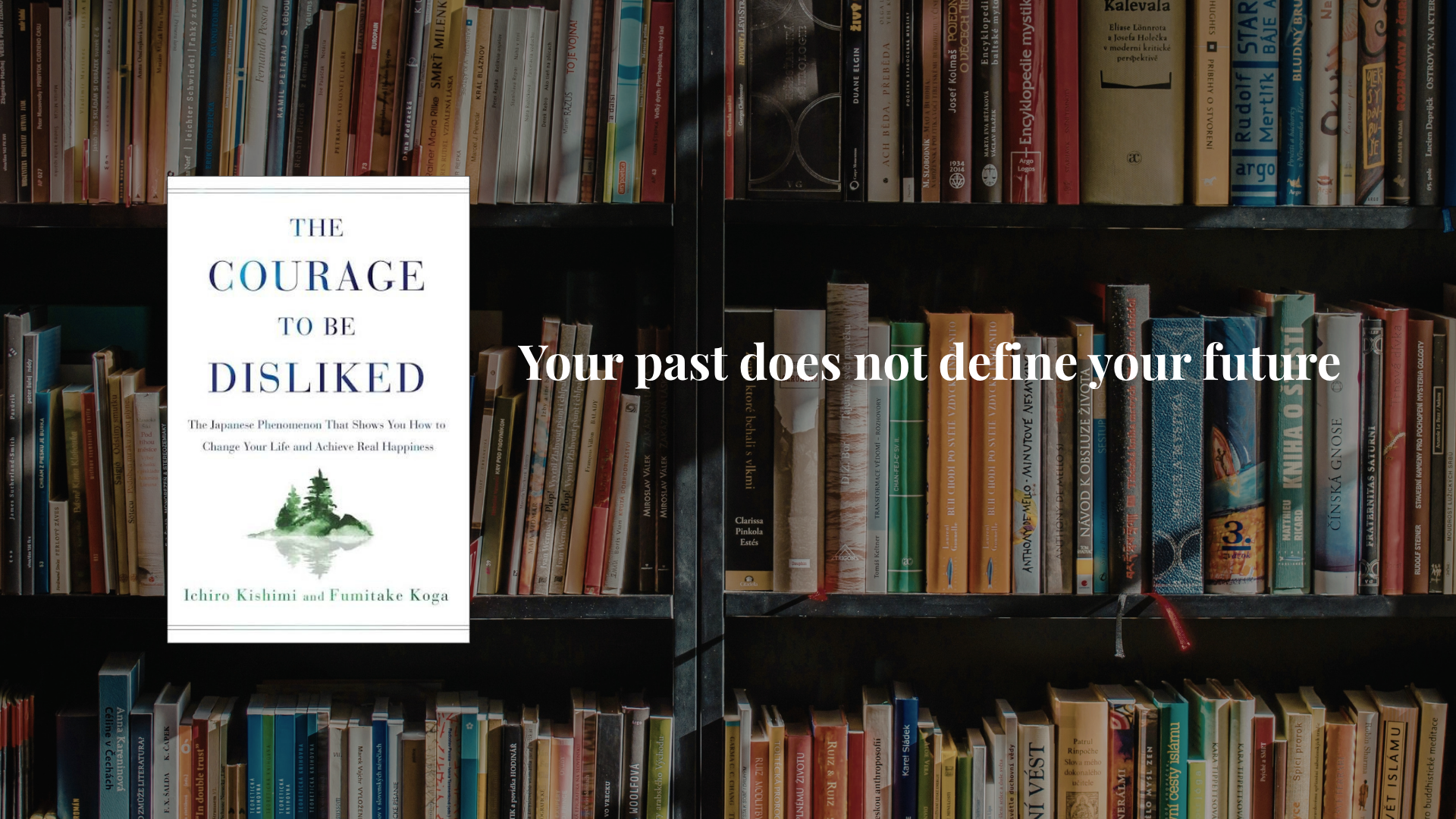
1. Your past does not dictate your future. The book contends that although experiences from the past can shape us, they do not permanently define our identities. People possess the power to decide how they react to their circumstances, urging readers to shift focus from past setbacks or failures to the choices they can make in the present moment.
2. Freedom entails the courage to be disliked. The title of the book originates from this central theme: living with authenticity often leads to disapproval from others. Constantly seeking approval from those around us implies surrendering personal freedom. Genuine independence arises from acknowledging that not everyone will agree with our choices, values, or lifestyle; the willingness to be misunderstood may be the price for honest living.
3. Avoid incessant validation. Many individuals base their self-esteem on praise, recognition, and approval from others, resulting in an unstable sense of identity dependent on factors beyond one's control. Living freely implies cultivating confidence not entirely reliant on external approval; self-respect becomes more stable when rooted in personal values rather than superficial praise.
4. Focus on your own responsibilities. A fundamental concept in Adlerian psychology is the differentiation of tasks. The book advocates readers to distinguish between what belongs to them and what belongs to others. For instance, how others respond to our actions is ultimately their responsibility, not ours. Taking accountability for our own choices while allowing others autonomy can lessen undue anxiety and strife.
5. Comparison is a thief of freedom. Continuously comparing oneself to others can breed feelings of inadequacy and resentment. The authors argue that life is not a competition; each individual has a unique path, different circumstances, and distinct goals. True freedom emerges from concentrating on personal growth rather than evaluating success relative to someone else's accomplishments.
6. Happiness is a choice. The book posits that happiness is not something that spontaneously arrives when circumstances appear ideal. Rather, it is frequently linked to mindset, purpose, and relationships. Although external factors can impact well-being, people often have greater control over their perspective than they may realize. Actively choosing how to respond to life can be a significant step toward enhanced contentment.
Written by urgent.news from YourStory's reporting — not their text. Machine-written — may contain errors; check the original before relying on it.