World War II: The unsung role of India and its soldiers in the global conflict
Although the Indian Army fielded the largest volunteer force and fought on battlefields across the globe, there is little by way of a comprehensive archive documenting its experiences
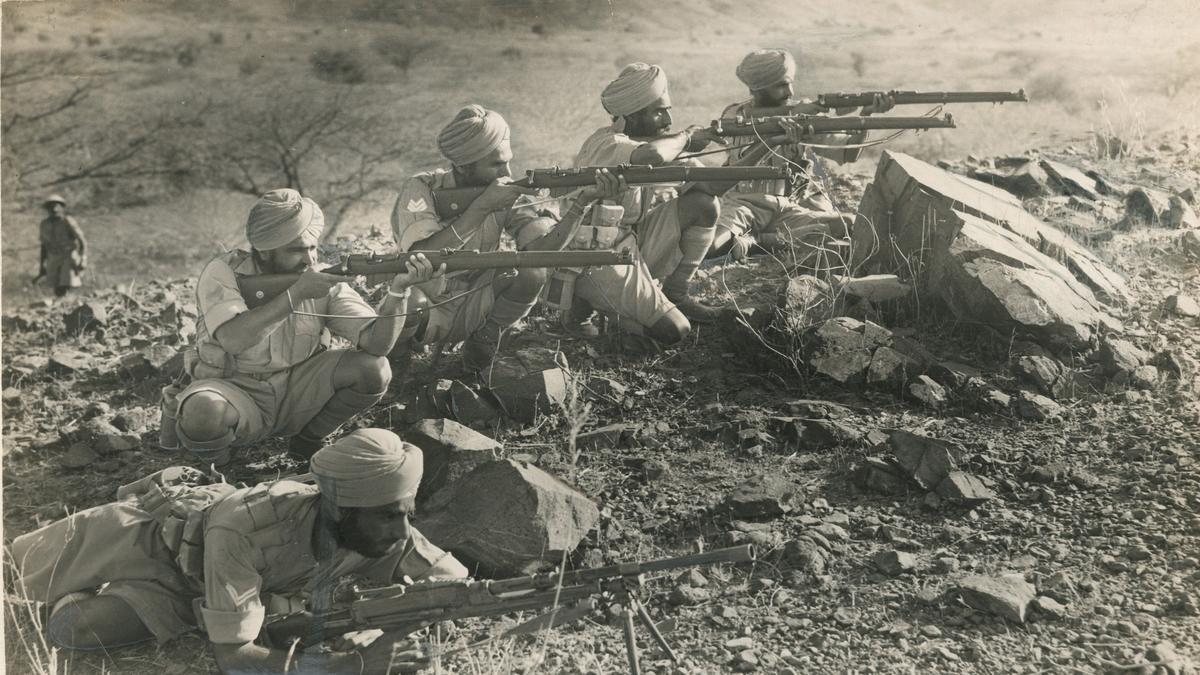
The Second World War, a global conflict spanning six years and involving millions across four continents, concluded with Japan's surrender on September 2, 1945. Approximately 85 million lives were lost, primarily civilians, due to mass killings, genocide, starvation, and disease. This war, marked by the sole use of nuclear weapons, pitted the Axis powers, mainly Nazi Germany, Italy, and Imperial Japan, against the Allied powers, including Great Britain, the Soviet Union, the United States, France, and China.
In India, the war's memory has faded, often overshadowed by its role in the Independence struggle. The Indian Army, the largest volunteer force, fought across Africa, Europe, and Asia, yet its experiences remain underdocumented. The perception of India's wartime contribution is often viewed as a sacrifice in the fight against fascism, rather than a decisive ally.
Despite the acknowledgment of 31 Victoria Cross recipients among Indian soldiers, their role is frequently marginalized in historical narratives. India's strategic importance was evident in halting Japanese advances through Burma, preventing Axis powers' coordination, and safeguarding its eastern coastline from Japanese invasion.
Written by urgent.news from The Hindu's reporting — not their text. Machine-written — may contain errors; check the original before relying on it.