Why is it so hard to give away my dad’s brain?
I haven’t been on a three-way call this emotionally taxing since junior high school. James is explaining the situation — so many dynamics, so much time urgency — to Rachel, and asking if she thinks it would be workable, while I just nervously try to follow the conversation, crossing my fingers and toes. There’s inevitably going to […]
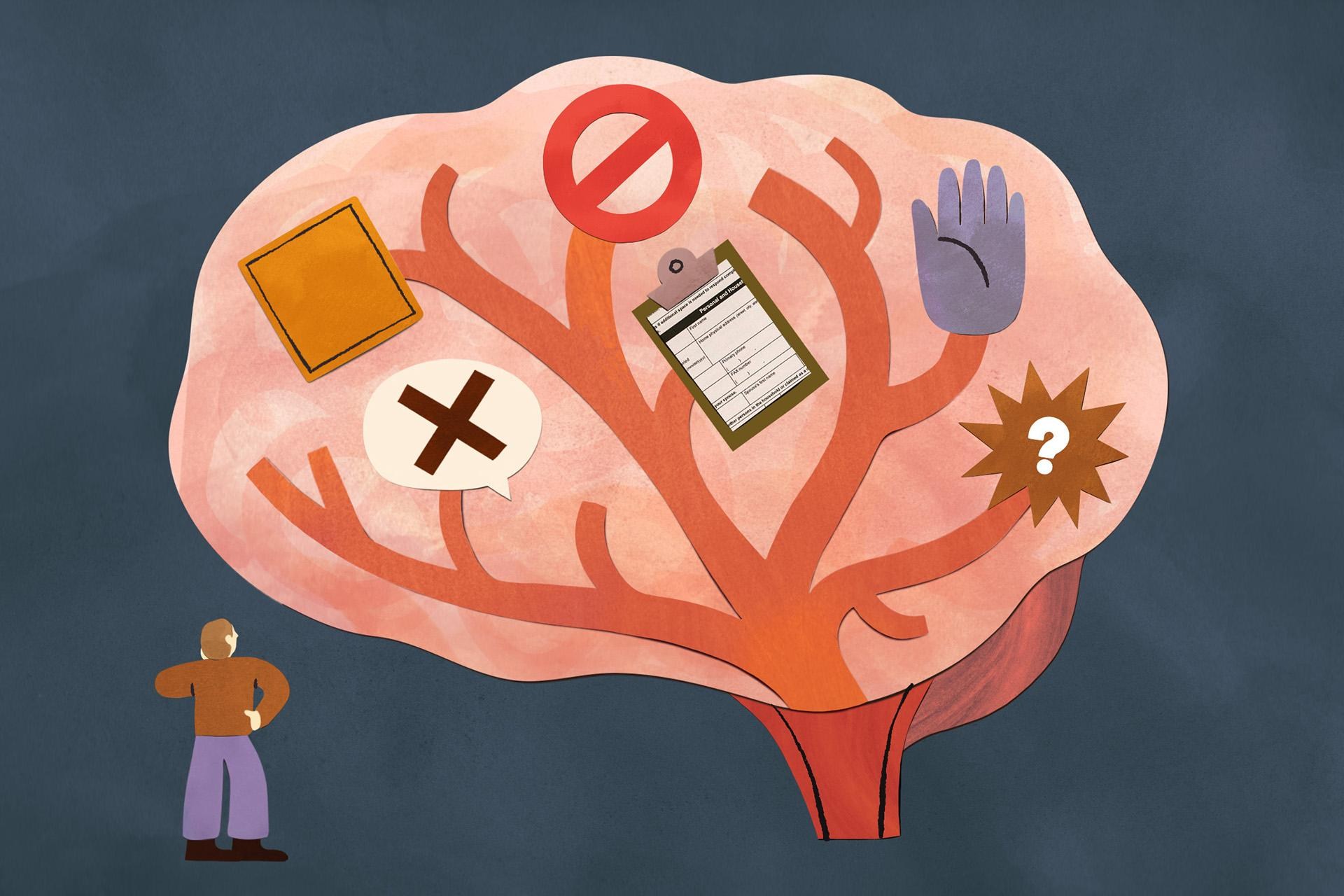
Navigating the process of donating a loved one's brain can be an emotionally taxing endeavor. James Watkins, research and study coordinator of the UCLA brain donation program, helps guide those wishing to donate their brains through the complex procedure. Meanwhile, Rachel, a professional at a crematorium, faces challenges in facilitating the brain retrieval process.
Dementia, affecting over 78 million people worldwide, represents a significant health challenge, yet research into its causes and potential cures remains hindered by limited funding, inadequate data, and poor coordination between patients, caregivers, and researchers. The demand for brain donations is high, but the process can be frustrating and bewildering for families.
Donating a brain involves registering with a brain bank, which can be a daunting task. Historically, brain banks have been territorial, making it difficult for researchers to access post-mortem brain tissue. However, in 2013, the National Institutes of Health established the NeuroBioBank, a collaboration among multiple brain banks to share tissue and promote research.
The Brain Donor Project, founded in 2016 by Tish Hevel, daughter of a brain donor, assists potential donors in registering and matching them with a geographically close brain bank for retrieval. To date, they have pre-registered 30,000 individuals interested in donating their brains to advance research.
In the story, the author, Courtney, finds herself navigating the intricacies of the brain donation process while managing the day-to-day demands of family life. Despite her efforts, she faces rejection from certain research institutions due to her dad's lack of participation in any studies. As the end approaches, Courtney realizes the importance of not wasting her dad's brain and takes steps to register him with the Brain Donor Project.
Written by urgent.news from Vox's reporting — not their text. Machine-written — may contain errors; check the original before relying on it.