Why have people fallen sick after Chloroquine administration in Andhra Pradesh | Explained
Fatal incident in Andhra Pradesh’s Polavaram district raises questions about the safe administration of Chloroquine, a commonly used malaria treatment, as a seven-year-old girl dies and dozens fall ill
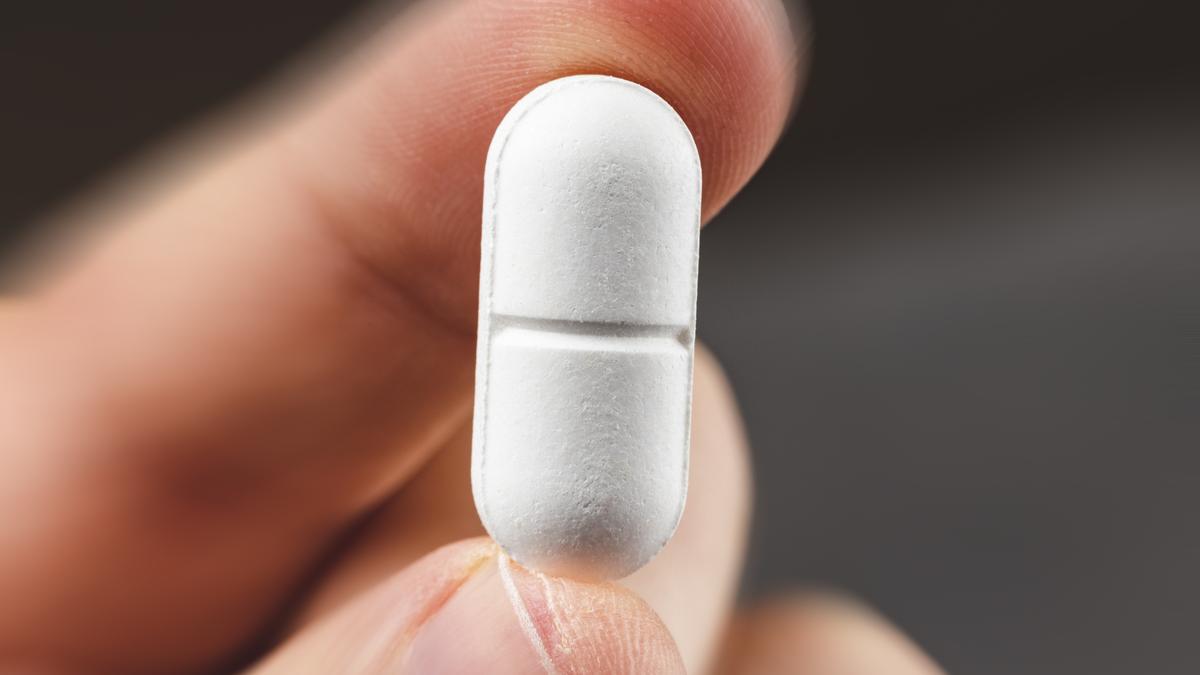
On September 1, 2026, a medical camp in Gollaguppa village of Polavaram district, Andhra Pradesh, experienced a tragic turn when a seven-year-old girl, Madivi Jamuna, died and 52 others fell ill, many of them children. The cause of these illnesses was linked to Chloroquine tablets, a routine drug used to treat and prevent malaria in the malaria-prone regions of Andhra Pradesh. Polavaram District Collector K. Dinesh Kumar reported that 23 children were admitted to Bhadrachalam Area Hospital for better medical care.
Chloroquine, while a lifesaving drug when administered correctly, poses serious risks if not monitored. Dr. P.V. Sudhakar, a former principal of Andhra Medical College, emphasized that the drug's narrow therapeutic index makes it crucial for healthcare workers to verify patients' health conditions before administering it, particularly for children.
The drug can cause nausea, vomiting, diarrhea, abdominal cramps, headache, dizziness, and skin rashes, with severe reactions potentially leading to seizures, vision impairment, central nervous system damage, and cardiac arrest.
The sudden outbreak has raised concerns about the quality of the Chloroquine batch administered. Senior doctors from King George Hospital in Visakhapatnam advised authorities to inspect the batch numbers, expiry dates, and storage conditions. Immediate chemical analysis of the drug is recommended to determine why it affected such a large number of people.
Written by urgent.news from The Hindu's reporting — not their text. Machine-written — may contain errors; check the original before relying on it.
This story
This is one outlet's version. Read the fullest account.