Why Erika Woolsey Sees Virtual Reality Tech as an Ocean Conservation Tool
Her nonprofit, The Hydrous, creates augmented and virtual reality experiences that connect people with the marine environment.
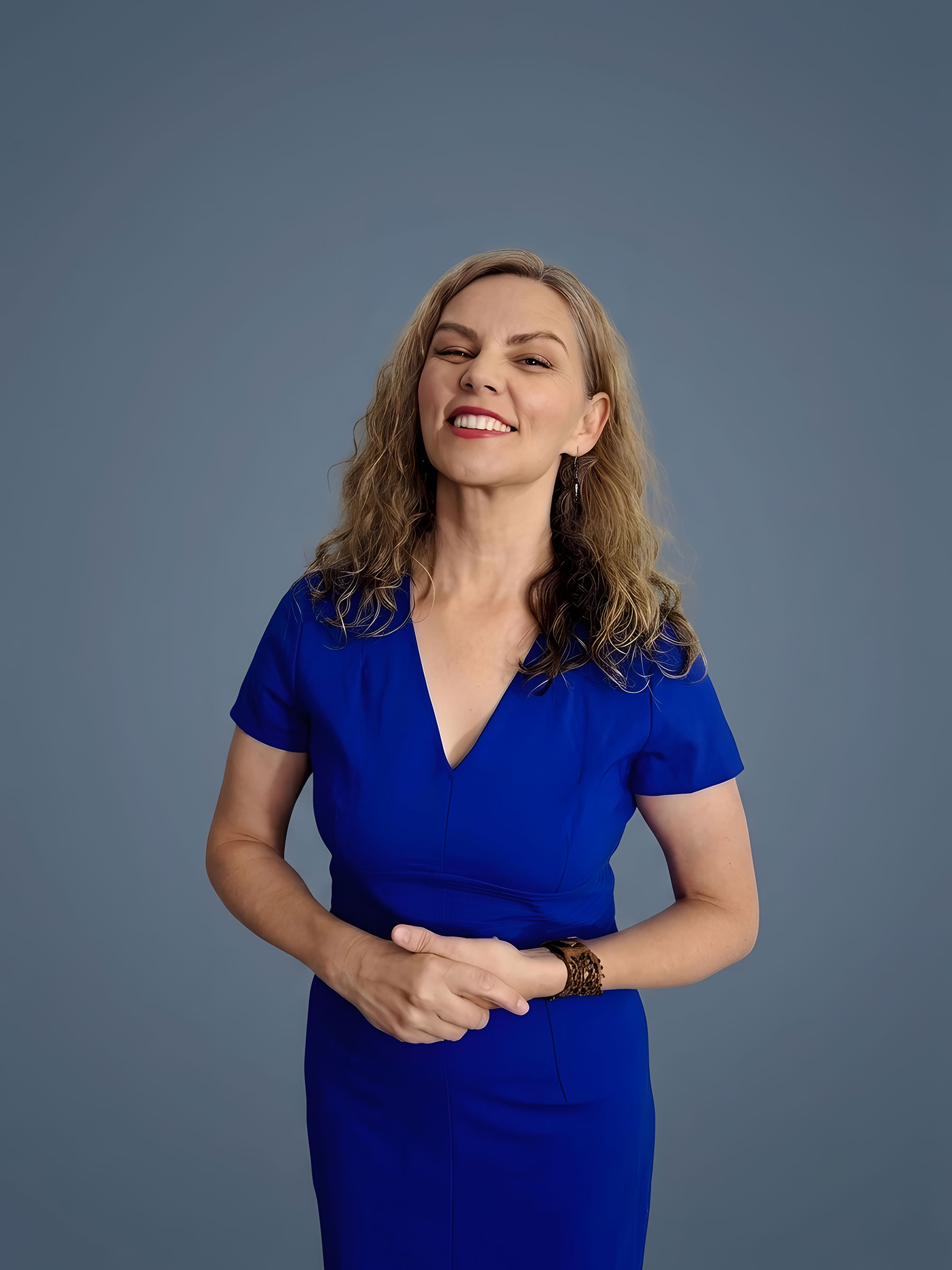
Dr. Erika Woolsey, a marine biologist and CEO of The Hydrous, believes virtual reality (VR) technology can serve as a powerful tool for ocean conservation. Woolsey once led a massive 450-person dive exploring Palau's coral reefs using VR headsets, a feat made possible by having participants in a Washington, D.C. National Geographic auditorium.
Since then, The Hydrous has facilitated over 2.75 million virtual dives, with many participants showing increased engagement and a shift from traditional questions to inquiries about the marine life they experienced.
Woolsey's mission is to make the ocean more accessible to the general public, fostering a sense of ownership and responsibility for its protection. The ocean, she emphasizes, is essential for food security, economic stability, marine-derived medicine, and climate regulation. Woolsey's organization has been touring North America with National Geographic Live, offering virtual dives to broaden awareness.
Now, The Hydrous is partnering with Silverback Film and Submersa Studios to extend these experiences to museums, aquariums, and other venues.
In addition to education, Woolsey's research suggests that VR experiences can boost empathy and ocean literacy. She notes that participants often express a strong emotional connection to the underwater world after experiencing it in VR, their reactions reminiscent of those who just emerged from a real dive. Tears are not uncommon among those who have had the immersive experience.
Written by urgent.news from Time's reporting — not their text. Machine-written — may contain errors; check the original before relying on it.